In the summer of 1776, the air was thick with anticipation as the Continental Congress convened in Philadelphia. The delegates, representing the thirteen colonies, were on the brink of a monumental decision that would alter the course of history. Before July 4, the expectation was that the colonies would continue to grapple with British rule, their voices muffled under the weight of imperial governance. Yet, on July 2, a pivotal vote took place, with 12 colonies approving the motion for independence. The atmosphere was charged with hope and trepidation, as the representatives understood the gravity of their choice.
Two days later, on July 4, 1776, the final version of the Declaration of Independence was formally approved. This document, primarily drafted by Thomas Jefferson, articulated the colonies’ desire for freedom and self-governance. The decisive moment had arrived; the birth of a nation was declared, and the echoes of the past began to fade. The approval of the Declaration marked a turning point, not just for the colonies, but for the world. It was a bold statement that would inspire countless movements for freedom and democracy in the years to come.
The immediate effects of this declaration were profound. The colonies, once disparate entities, began to unite under a shared cause. The spirit of independence ignited a flame of patriotism that would burn brightly through the years. Celebrations began as early as 1777, with fireworks lighting up the night sky, a tradition that has endured for centuries. The first organized celebration of Independence Day included parades, oratory, and toasting, reflecting a deep sense of pride and unity among the new citizens of the United States.
As the years rolled on, Independence Day transformed from a solemn observance into a major midsummer holiday. The Fourth of July became synonymous with fireworks, barbecues, and family gatherings, a day when Americans come together to celebrate their shared heritage. The historical significance of the day is not lost on those who partake in the festivities; it serves as a reminder of the sacrifices made by the founding fathers, including John Adams and Thomas Jefferson, who both passed away on July 4, 1826, exactly 50 years after the Declaration was signed.
Experts note that the evolution of Independence Day celebrations reflects broader societal changes. According to historian David McCullough, “The Fourth of July is not just a day of celebration; it is a day of reflection on the values that define us as a nation.” This sentiment resonates deeply as Americans gather to honor their freedom and the principles of democracy that underpin their society. The day serves as a reminder of the ongoing struggle for liberty and justice, echoing the sentiments of the Declaration itself.
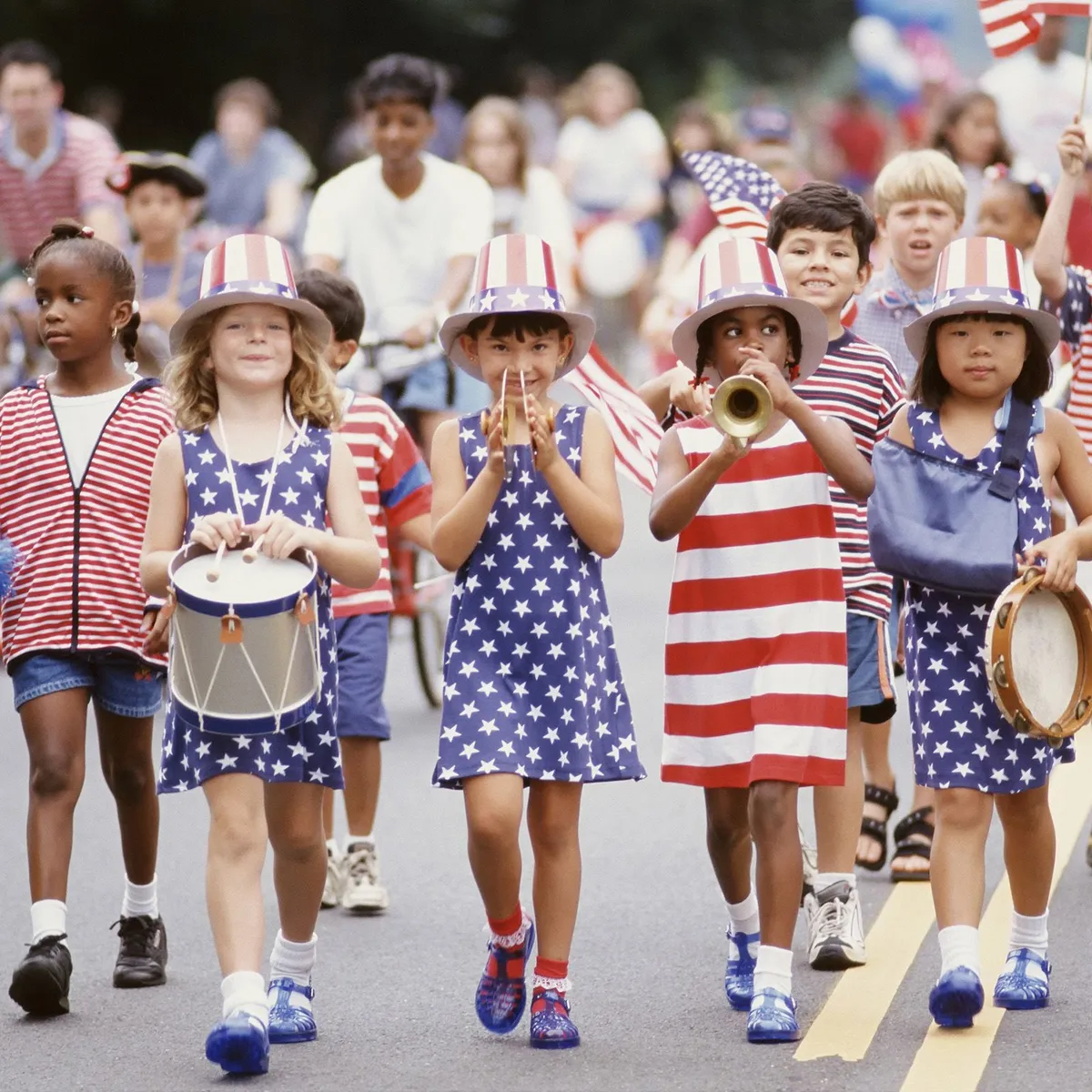
Today, Independence Day is celebrated across the United States with a mix of traditional and modern festivities. Fireworks displays illuminate the skies, symbolizing the explosive joy of freedom. Communities come together for parades, concerts, and family gatherings, reinforcing the bonds that unite them. The day is a testament to the resilience of the American spirit, a celebration of the journey from oppression to liberty.
As we reflect on the significance of July 4th, it is essential to remember the voices that shaped this nation. The words of John Adams, who famously declared, “Thomas Jefferson still lives,” remind us that the ideals of the Declaration continue to inspire and challenge us. Independence Day is not merely a celebration of the past; it is a call to action for the present and future, urging us to uphold the values of freedom and equality for all.