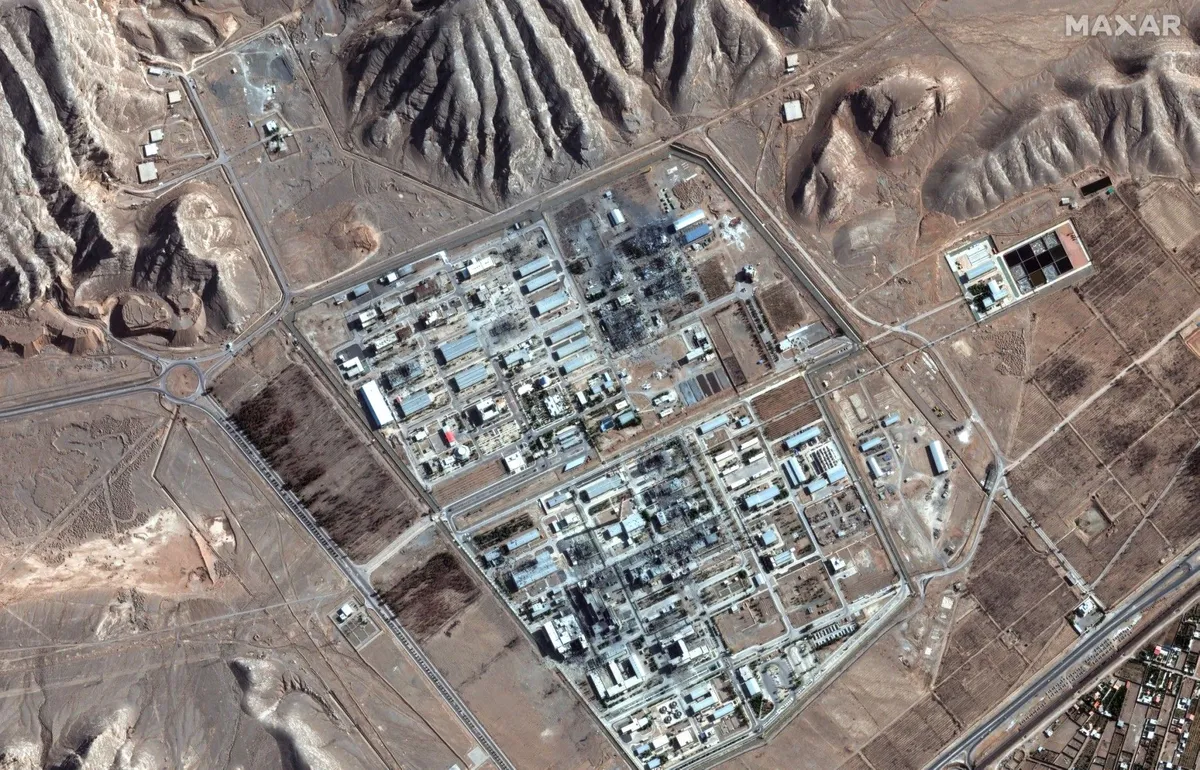
On May 6, 2026, President Donald Trump announced a temporary pause to the US military’s ‘Project Freedom’ operation in the Strait of Hormuz. This unexpected decision raises hopes for a breakthrough in ongoing negotiations with Iran.
The pause comes amid rising tensions. Just days prior, a cargo vessel was struck by an unknown projectile in the Strait—a stark reminder of the volatility in the region. Iranian President Masoud Pezeshkian accused the US of pursuing a policy of ‘maximum pressure,’ while Trump’s administration appears to be shifting gears.
Key developments:
- Trump urged Iran to ‘do the smart thing’ and reach an agreement to end hostilities.
- Marco Rubio stated that US forces are ready to resume operations if necessary, emphasizing that the offensive operations against Iran are now complete.
- Iran’s foreign minister recently met with China’s top diplomat, indicating potential shifts in alliances.
This strategic pause—initially branded as Project Freedom—was intended to help restore oil flow from the Gulf, crucial for global economic stability. Now, it seems to serve a dual purpose: testing Iran’s willingness to negotiate while reducing immediate military tension.
Yet, uncertainty looms. No timeline has been shared regarding when or if operations will resume. The situation remains fluid as both nations navigate this precarious landscape.
The international community watches closely. The Gulf shipping crisis has underscored the importance of stability in these waters. As tensions simmer, many are left wondering how long this pause can last before old patterns re-emerge.
As this story unfolds, one thing is clear: both sides have much at stake. With Trump’s call for a deal echoing through diplomatic channels, the hope is that dialogue might finally pave a way forward.