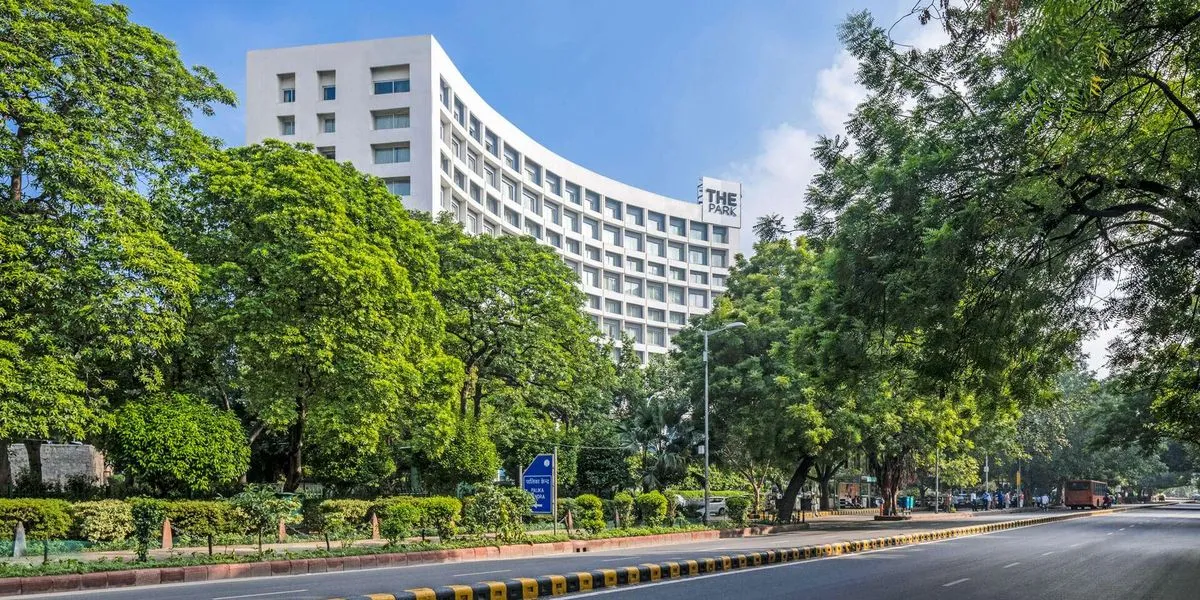
As the sun rises over the misty hills of Darjeeling, the air is filled with a sense of anticipation. On March 31, 2026, ASPHL, a prominent player in the hospitality sector, launched three new hotels in India’s leisure destinations, including the much-anticipated Zone by The Park Darjeeling. This marks ASPHL’s first foray into a hill destination, a significant step for the company and the region alike.
The launch event was a celebration of growth and opportunity, with Vikas Ahluwalia, a representative of ASPHL, stating, “The simultaneous launch of these three hotels underscores our commitment to growth and the diversification of our portfolio.” The new hotels, which also include Zone Connect by The Park Gangtok and Zone Connect by The Park Katra, are expected to boost local tourism and create job opportunities in the area.
However, the backdrop of this development is a complex political landscape. The combined population of Darjeeling, Kurseong, and Kalimpong is approximately 0.875 million, and the region has been a focal point of political tensions, particularly with the upcoming elections. The ruling Trinamool Congress (TMC) has earmarked three seats for its ally, the Bharatiya Gorkha Prajatantrik Morcha (BGPM), while the Bharatiya Janata Party (BJP) has maintained a stronghold, winning the Darjeeling Lok Sabha seat four times in a row since 2009.
Local leaders are vocal about their sentiments regarding the political situation. Ruden Sada Lepcha, the incumbent MLA defending his Kalimpong seat as a BGPM candidate, expressed the frustrations of his constituents, saying, “People of Kalimpong will vote for development as they are tired of the promises BJP has been making since 2009.” This sentiment resonates with many locals who feel that political promises have not translated into tangible benefits.
On the other side of the political spectrum, voices like Sonam Lama emphasize the need for accountability, stating, “Corruption in the GTA administration is a key issue. People know that only BJP can ensure good governance.” This reflects a growing concern among voters about the effectiveness of their local governance and the need for a change in leadership.
As the political climate heats up, Anit Thapa, leader of the BGPM, urges voters to consider the development narrative, saying, “We are asking people to vote for development. The BJP has been fooling the Gorkhas since 2009 by claiming it wants to protect the region’s identity.” This ongoing tug-of-war between political parties is not just about power; it is about the future of Darjeeling and its people.
As of now, the region stands at a crossroads. The launch of new hotels signals a potential for economic growth and revitalization, yet the political dynamics could either bolster or hinder this progress. With 291 TMC candidates announced for Bengal’s 294 constituencies, the stakes are high, and the outcome of the elections could significantly impact the local economy and governance.
In this moment of change, the people of Darjeeling are watching closely, hoping for a future that balances development with accountability. The new hotels may bring opportunities, but the political landscape will ultimately shape the region’s path forward.