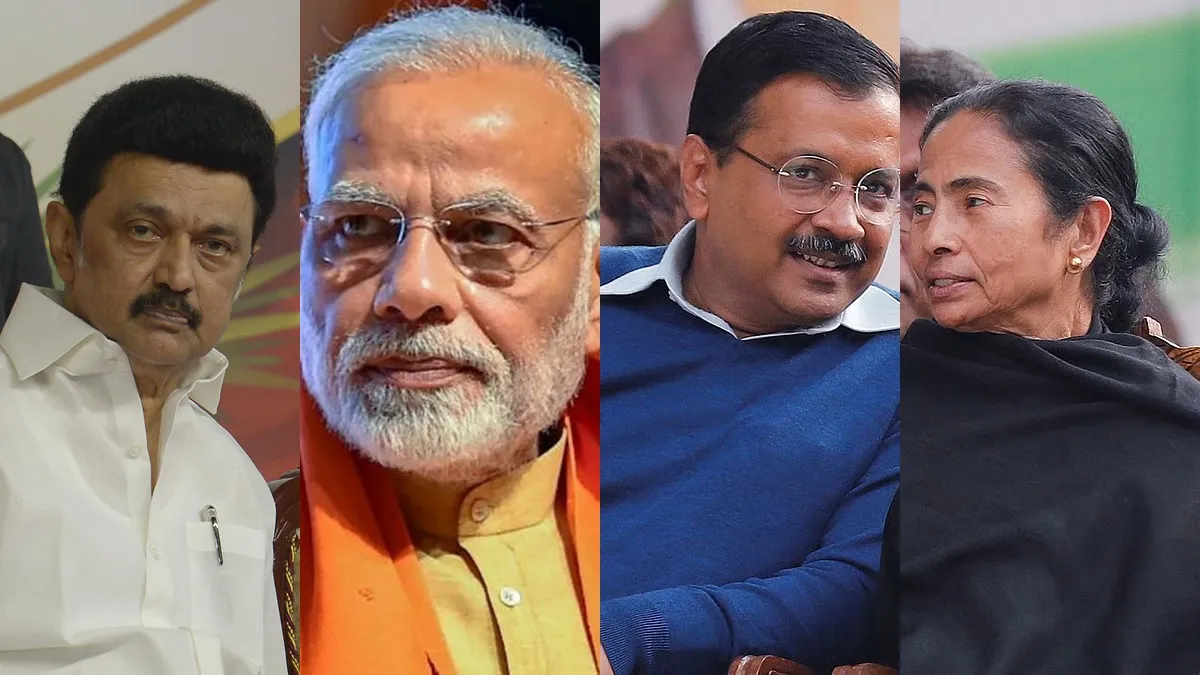
“How is it that the anti-incumbency wave is only seen in opposition-ruled states?” This question from DMK leaders echoes through the political corridors of Chennai, as they scrutinize the electoral dynamics across India.
The DMK’s inquiry comes amidst a backdrop where the BJP has maintained power in several states, notably Madhya Pradesh for nearly two decades, with only brief interruptions. In contrast, opposition parties grapple with significant anti-incumbency sentiments in regions like Delhi and Punjab. The stark difference raises eyebrows — why do voters seem to hold BJP-ruled states to different standards?
In Assam and Bihar, the BJP has consistently secured re-election. Yet, as the DMK points out, these victories occur despite rising prices and unemployment — issues that resonate deeply with voters. The party argues that media narratives often portray the BJP as an unbeatable force, overshadowing their failures.
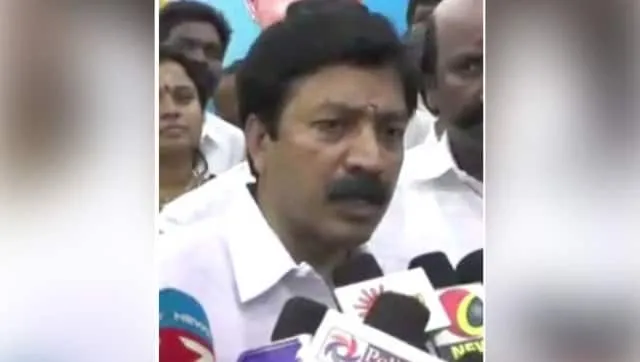
“We need to understand this reality,” a DMK spokesperson stated, emphasizing the importance of analyzing voter behavior beyond mere election results. They argue that voter fragmentation in northern states has inadvertently benefited the BJP, allowing them to sidestep accountability.
The DMK’s leadership under Stalin has been marked by a focus on addressing local issues — a strategy they believe could counteract the prevailing narratives surrounding BJP’s governance. Yet, they face challenges; many citizens still perceive BJP’s rule as stable and effective.
As they dissect this political puzzle, the DMK remains committed to highlighting critical concerns: rising costs of living and job scarcity. Their critique extends beyond mere electoral strategy; it’s about ensuring that governance remains accountable to its citizens.
In a landscape where perceptions often dictate political realities, DMK’s challenge to the status quo underscores a broader conversation about governance in India. They question: “Why are the actions of BJP-ruled states not weighed on the same scale as ours?” This inquiry could define future electoral strategies as opposition parties seek to reclaim their narrative.
The political discourse is evolving; with general elections on the horizon, how this dialogue influences voter sentiment will be crucial for all parties involved.