Memorable Matches and Standout Performances
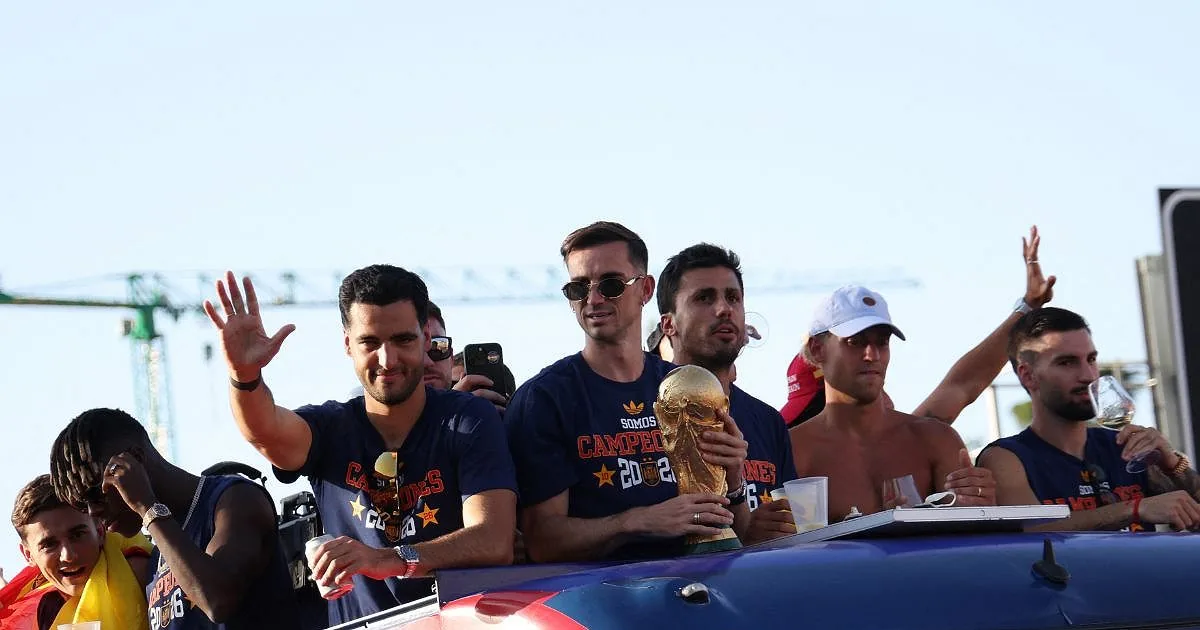
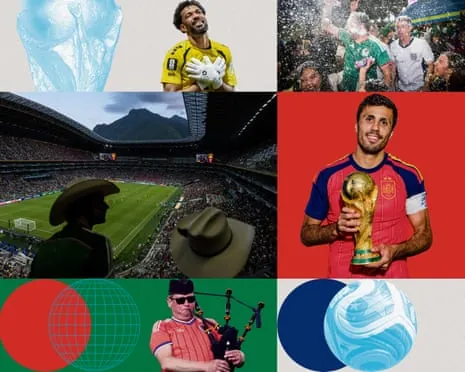
The 2026 FIFA World Cup, the first expanded to 48 teams, concluded with Spain lifting the trophy. The tournament featured numerous dramatic encounters, with several matches highlighted for their intensity and unexpected turns. Among these, the Paraguay 1-1 Germany last-32 tie, decided by a penalty shootout, stood out for its drama. Another notable game was Algeria 3-3 Austria, described as a “fever dream” due to its unpredictable nature and chaotic stoppage-time events. The match between Mexico 2-3 England at the Azteca was also frequently mentioned for its gripping tension and significance for England despite later disappointments.
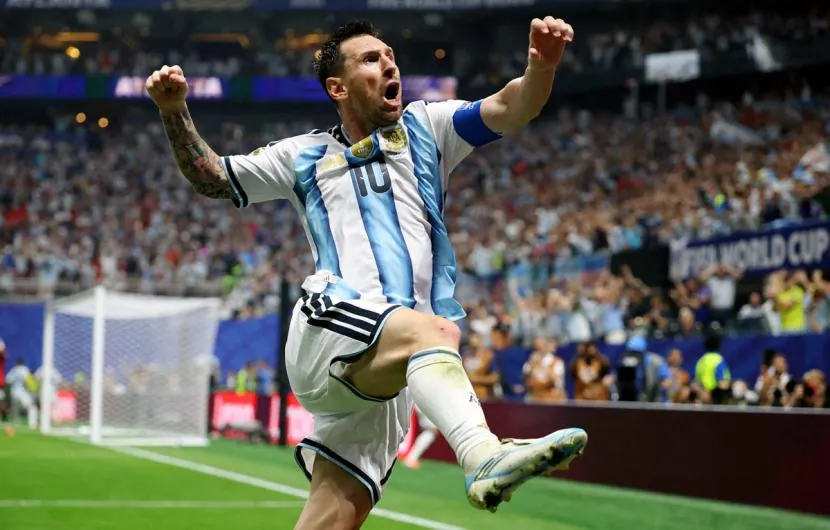
Other thrilling contests included France 4-6 England and Argentina 3-2 Egypt, where the defending champions staged a late comeback inspired by Lionel Messi to overcome a two-goal deficit in their last-16 match. The game between Cape Verde 2-2 Uruguay in Miami was also praised for Cape Verde’s spirited performance. The Argentina 3-2 Cape Verde match was cited for its incredible drama, particularly with Sidny Lopes Cabral’s late equalizer.
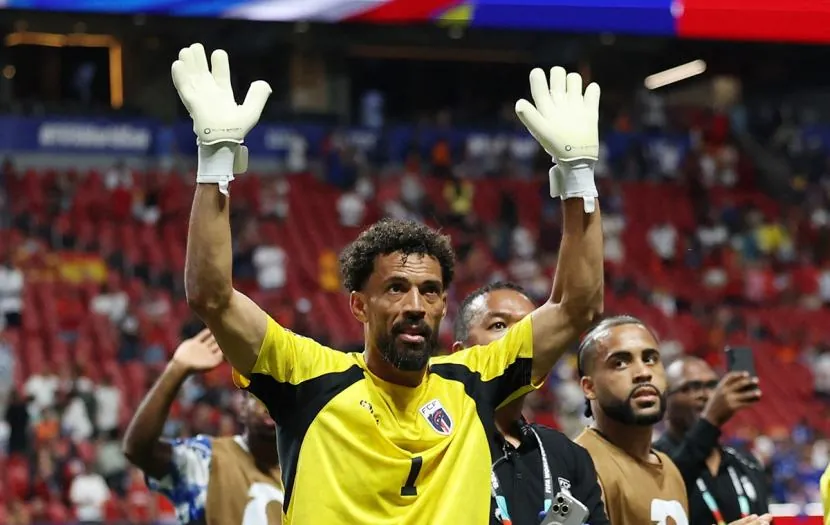
Several players delivered exceptional performances throughout the tournament. Rodri was widely recognized as the standout player for Spain, consistently demonstrating quality and control in midfield. Other stars who shone included Kylian Mbappé, who was a leading figure for France, and Jude Bellingham, who emerged as a key player for England. Erling Haaland also made a significant impact, leading Norway to the quarter-final stage and boosting his global appeal. Goalkeeper Vozinha from Cape Verde, at 40 years old, became a global star for his brilliant saves, particularly against Argentina and Spain, contributing to his team’s fairytale run as debutants.
Defining Moments and Emerging Talent
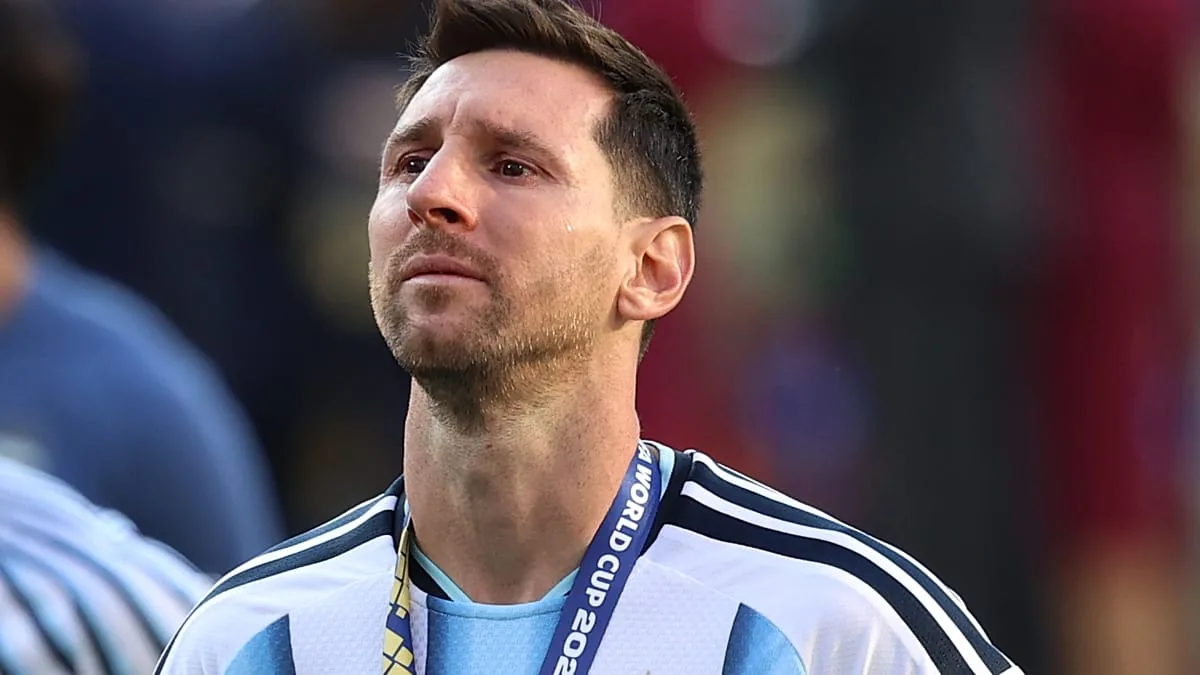
The tournament was marked by a blend of established legends and rising stars. Lionel Messi, at 39, continued to produce magical moments for Argentina, while Cristiano Ronaldo participated in his record sixth World Cup, though Portugal’s campaign ended before the quarter-finals. As these eras slowly faded, a new generation announced its arrival. Spain’s teenage sensation Lamine Yamal, England’s Jude Bellingham, France’s Kylian Mbappé, and Norway’s Erling Haaland all made significant impacts, showcasing the future of football.
One of the most memorable goals of the tournament was Sidny Lopes Cabral’s equalizer for Cape Verde against Argentina, a brilliant long-range effort that brought his team to parity in extra time. Other notable goals included Julián Alvarez’s long-range strike against Switzerland and Wilson Isidor’s breathtaking goal for Haiti against Morocco.
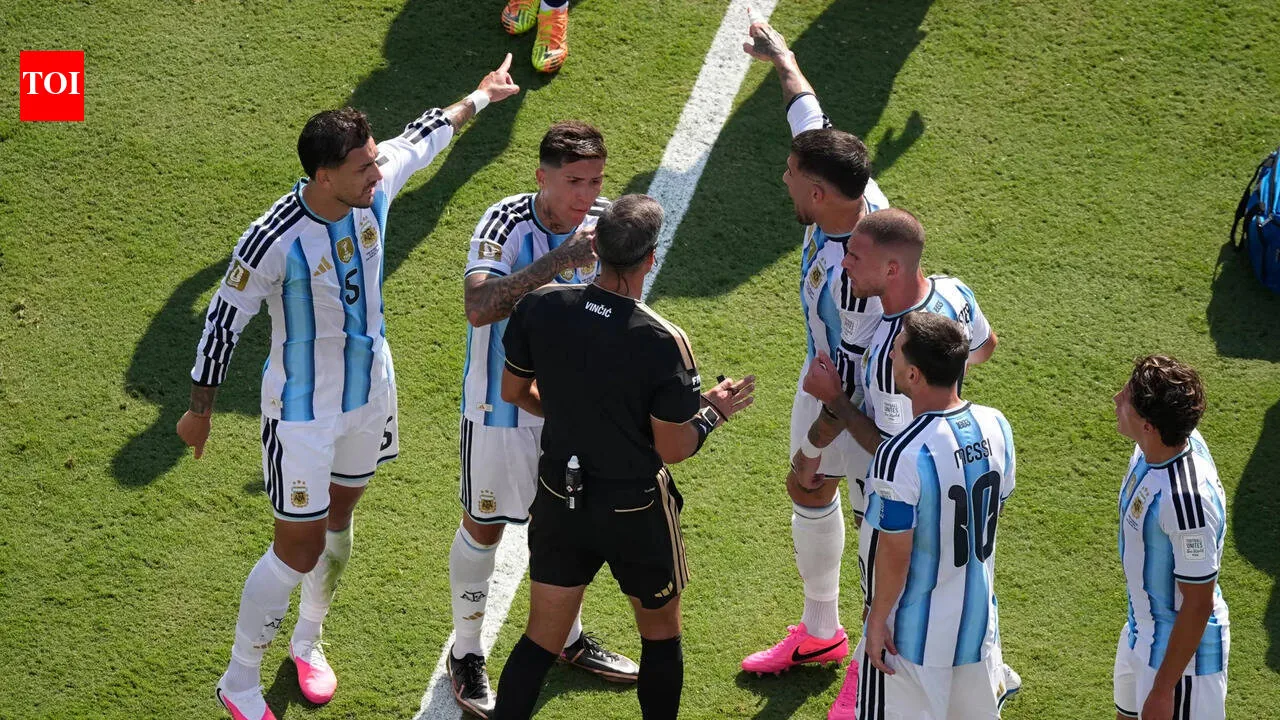
The 2026 World Cup also saw technology become a major talking point, with VAR decisions frequently leading to controversy and confusion among fans. Incidents such as overturned goals, awarded and cancelled penalties, and a contentious red card for Switzerland’s Breel Embolo highlighted ongoing debates about technology’s role in the game. Hydration breaks, introduced to protect players from the summer heat, also divided opinion, with some criticizing them for interrupting the flow of matches.
Fan Experience and Global Impact
The expanded tournament delivered on its promise of more nations, more matches, and more opportunities, transforming host cities into vibrant festivals. Fans from around the world traveled extensively, creating a common language of football across North America. The passion of supporters was evident, with scenes of strangers hugging after goals and Japanese fans once again cleaning stadiums, demonstrating sportsmanship.
Even countries not competing in the tournament found ways to celebrate, such as Kolkata, India, where a street was decorated as ‘FIFA Gully’ with murals of football legends. The tournament also produced a fairytale run for debutants Cape Verde, who, despite being outsiders, held eventual champions Spain and pushed Argentina into extra time before a 3-2 loss. The team’s return home was met with thousands packing the streets of Praia to welcome their heroes.
Despite concerns about dynamic pricing for tickets, which ranged from $140 to over $2,700 for group-stage matches and crossed $8,600 for final tickets, stadiums remained packed. The experience of watching a live World Cup match proved invaluable for supporters. The tournament also touched upon geopolitical tensions, with Iran’s participation affected by visa complications and a debate surrounding a decision involving US player Folarin Balogun.
The 2026 World Cup, with its blend of drama, emerging talent, and global fan engagement, created numerous lasting memories, long after Spain took home the trophy.
Read Also
Source: theguardian.com