Post-Match Altercations and Disciplinary Review
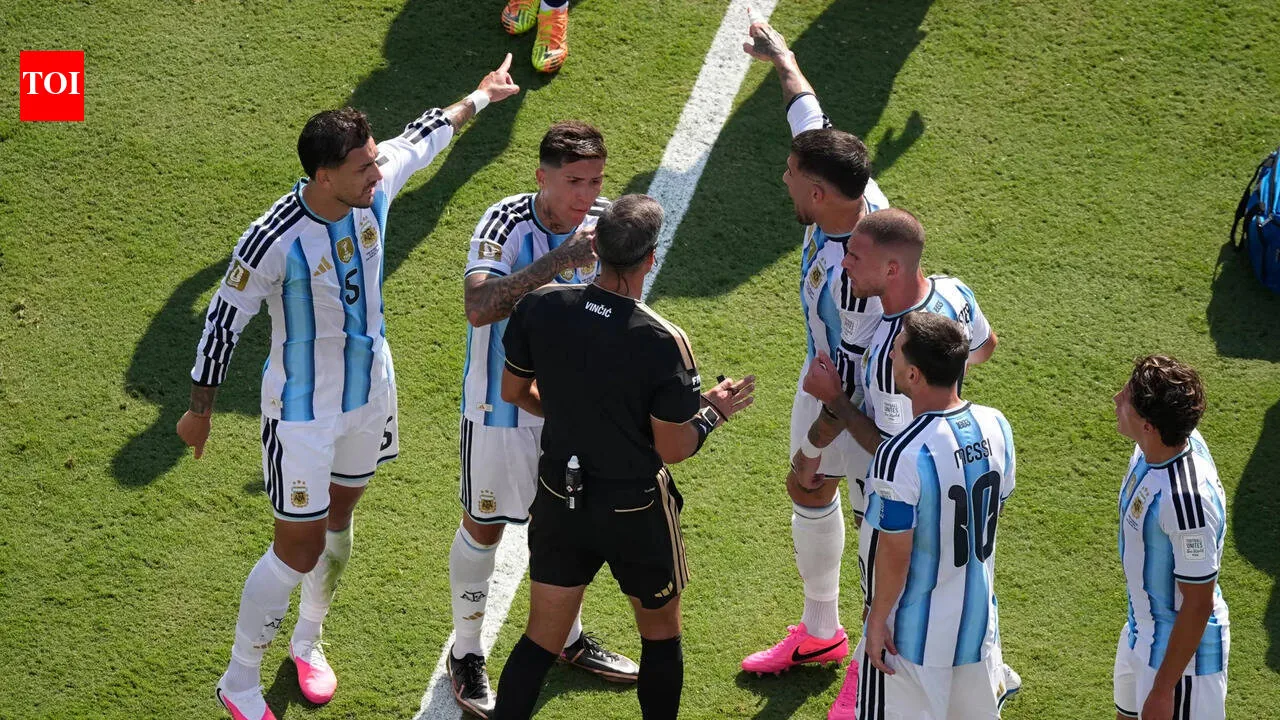
Following their 1-0 defeat to Spain in the World Cup final in New Jersey, Argentina‘s conduct during and after the match has drawn significant attention. Midfielder Enzo Fernandez was sent off late in normal time after receiving two yellow cards. His first booking was for dissent towards referee Slavko Vincic, and he was later dismissed for a challenge on Pau Cubarsi.
Despite the red card, Fernandez issued a statement on social media, asserting that the team represented their nation “in the best possible way.” He emphasised that competing involves giving one’s all for the jersey and never giving up, highlighting the pride, humility, and commitment of the group.
However, altercations involving members of the Argentina team and backroom staff with Spain players during celebrations have led to a review by Fifa‘s disciplinary committee. A disciplinary and ethics prosecutor has been appointed to assess the incidents. Players or coaches involved could face suspensions, and the Argentine Football Association may incur fines.
Nahuel Molina, Leandro Paredes, Thiago Almada, and assistant coach Roberto Ayala reportedly participated in these confrontations. Paredes was seen pushing Spain‘s Eric Garcia by the throat, and later pushed Gavi to the ground. Ayala appeared to hold Garcia around the throat before striking Dani Olmo.

Controversy Surrounding Fernandez’s Red Card
New footage circulating online has brought further scrutiny to the events surrounding Fernandez’s red card. The video appears to show Argentina full-back Nicolas Tagliafico clutching his ankle and falling to the ground near Spain‘s penalty area moments after Fernandez’s foul, despite no Spain player being in close proximity. This occurred after Tagliafico had been walking normally.
The same footage also shows Lionel Messi rushing towards referee Slavko Vincic immediately after the red card was issued. Messi reportedly pointed towards the grounded Tagliafico, seemingly attempting to draw the referee’s attention to the incident. This effort, however, did not alter the decision, and Fernandez’s red card stood, leaving Argentina to play with 10 players.
Spain eventually secured their victory with a goal from substitute Ferran Torres in the 106th minute during extra time. The post-match discussion has largely focused on Argentina‘s conduct throughout the final.
Reactions and Future Outlook
Former England internationals have heavily criticised the actions of the Argentina players. Ex-England captain Alan Shearer stated that there is no place for such behaviour, noting that while losing is difficult, there is a way to lose. Former England goalkeeper Joe Hart described the behaviour as “disgusting.”
Argentina manager Lionel Scaloni addressed the situation in his post-match interview, stating, “We are gracious in victory, and we must be gracious in defeat. Today, we are showing that we know how to lose.” He added that losing the match does not diminish what the team accomplished to reach the final.
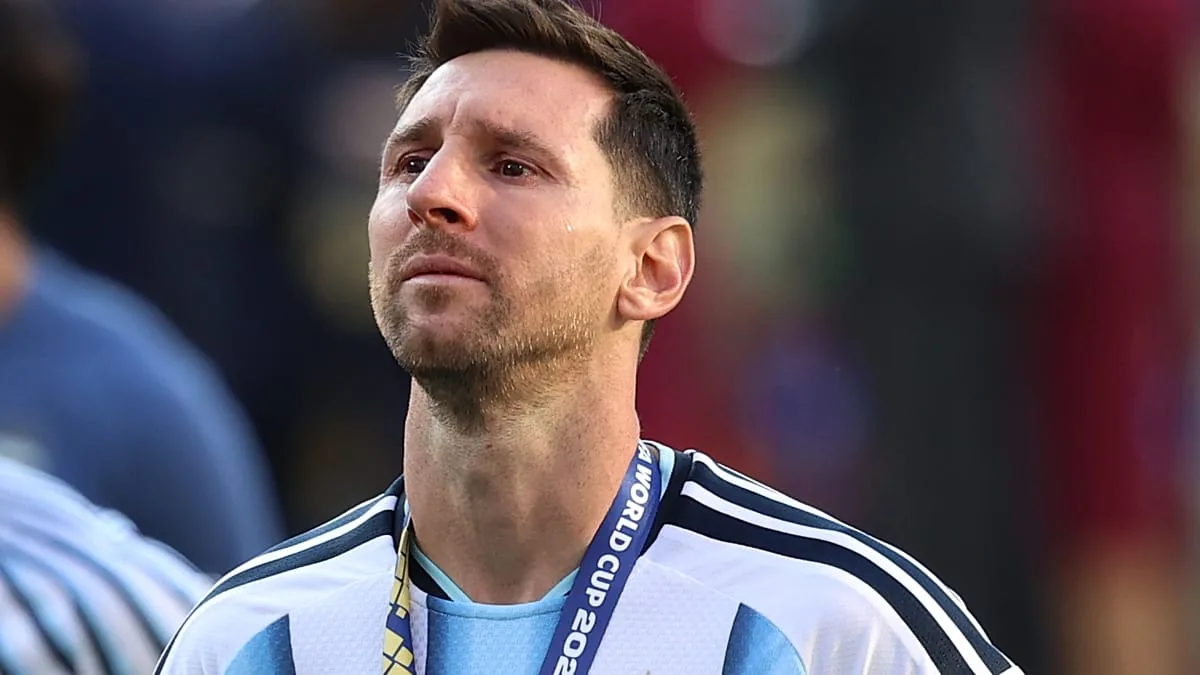
Speculation has arisen regarding Messi‘s future with the national team, with some suggesting the final could have been his last match for Argentina. Messi expressed his pain on social media, acknowledging that the wound would take time to heal but also reflecting on the positive aspects.
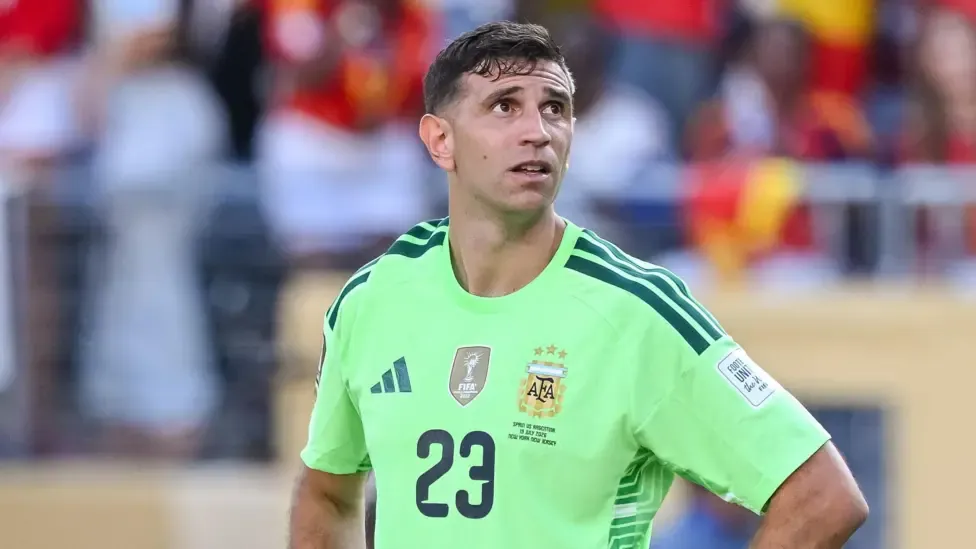
Despite the defeat and controversies, thousands of Argentina fans welcomed the team home with an open-top bus parade through Buenos Aires. Scaloni and 16 of his 26 players returned to the country, where they were greeted with a red carpet and military band at Ezeiza International Airport. Emiliano Martinez, the Aston Villa goalkeeper who made 11 saves during the final, was among those who returned, while Messi travelled to Miami.
Media outlets in Argentina have suggested that this final could mark the end of an era for Scaloni‘s tenure and for Messi‘s participation in future World Cups.

Before their loss to Spain, Argentina had won their first seven matches in North America, defeating Algeria, Austria, Jordan, Cape Verde, Egypt, Switzerland, and England.
Read Also
Source: bbc.com