What does it mean when Trump extends the ceasefire with Iran while tensions simmer and a US Navy blockade looms? It signals an attempt—albeit unilateral—to navigate a complex geopolitical landscape. The White House announced this indefinite extension, prompted by Pakistan’s request, aiming to foster peace talks that many deem crucial.
For context, the original ceasefire was set to expire after just two weeks. Yet, Trump’s move seems to reflect a strategy of patience—he’s not rushing into a deal. “I hope to make the best peace deal with the Islamic Republic and do not want to rush into it,” he stated recently, hinting at his desire for a comprehensive agreement.
However, this decision isn’t without its complications. The US Navy will maintain its blockade of Iranian ports until Tehran presents a unified proposal. Iranian leaders have vehemently criticized this blockade, calling it an act of war. Tensions are palpable; they’re grappling with their internal divisions between hard-liners and moderates, creating an unpredictable environment.
Interestingly, Trump’s administration has also imposed sanctions on 14 individuals and entities linked to Iran—targeting networks involved in weapons procurement. This dual approach of extending the ceasefire while tightening sanctions demonstrates the delicate balance he seeks between diplomacy and pressure.
Meanwhile, Trump hosted discussions between Israel and Lebanon at the White House, which resulted in another three-week ceasefire extension for that conflict. It seems he’s attempting to address multiple fronts simultaneously—a daunting task that could either lead to breakthroughs or further complications.
Yet, uncertainties linger. Will Iran accept this ceasefire extension? What about Israel’s stance? The answers remain elusive as officials from both sides have yet to clarify their positions. The Iranian leadership is described as being in turmoil—”fighting like cats and dogs for who’s going to control the country,” Trump remarked.
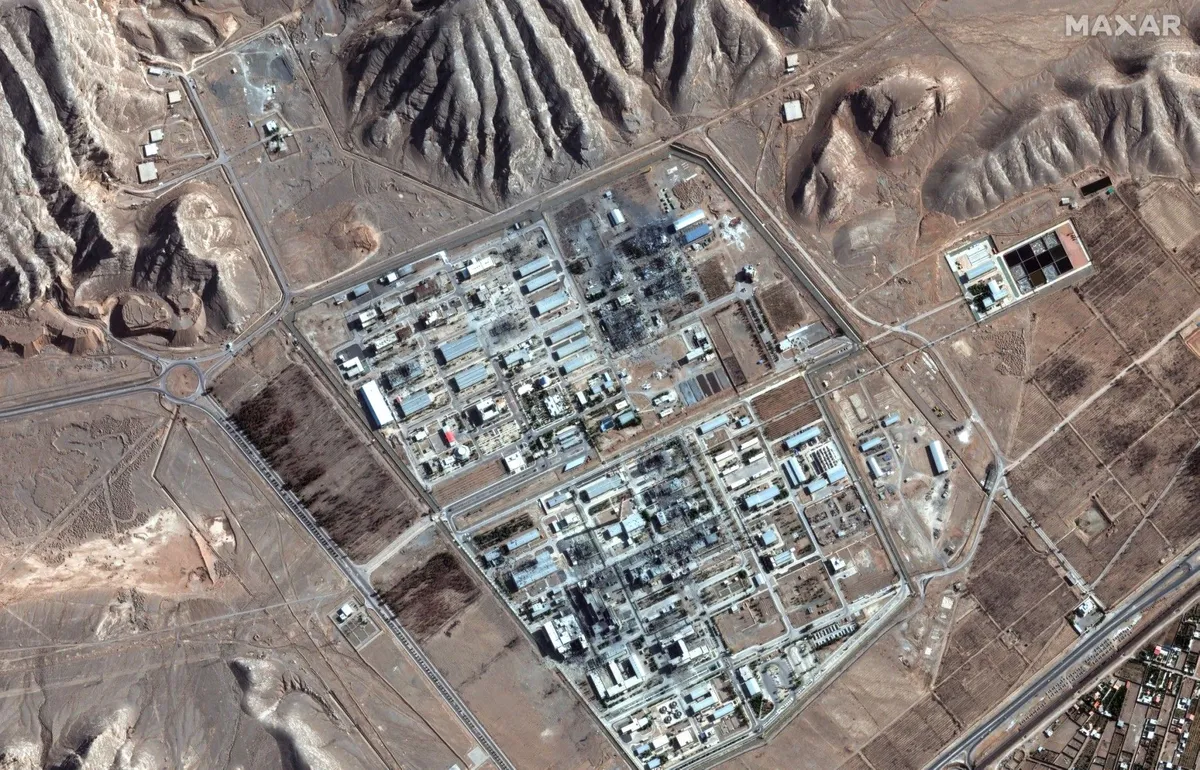
The stakes are high. With nuclear weapons on the table and ongoing sanctions affecting everyday lives in Iran, every decision carries weight. As peace talks unfold—or stall—the world watches closely.
In this intricate web of diplomacy, one thing is clear: Trump’s latest move is more than just a simple extension; it’s a signal of intent in a time of uncertainty.