Despite more than four years of conflict, prisoner exchanges remain one of the few concrete results from several rounds of US-brokered peace talks between Ukraine and Russia. In a recent development, Ukraine and Russia exchanged 175 prisoners of war each ahead of a planned ceasefire to mark Orthodox Easter. This exchange, mediated by the United Arab Emirates, offers a glimmer of hope amid ongoing hostilities.
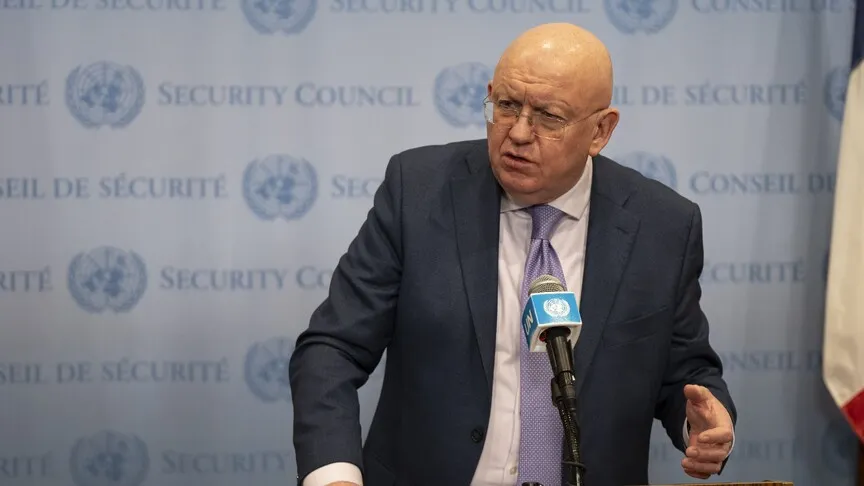
However, the backdrop of this humanitarian gesture is fraught with escalating tensions. Moscow has accused EU member states of preparing for a “major war” against Russia. Vasily Nebenzya, Russia’s envoy to the UN Security Council, stated, “These large-scale military preparations leave no doubt that Europe is seriously preparing for a major war against Russia.” He further emphasized that the European Union’s efforts are currently focused on inflicting a “strategic defeat” on Russia.
In a related development, the World Aquatics organization has lifted a ban on Russian and Belarusian athletes, allowing them to compete under their national flags at international swimming events. However, these athletes must pass at least four consecutive anti-doping controls to be eligible to compete. Husain Al Musallam, the head of World Aquatics, expressed a commitment to ensuring that pools and open water remain venues for peaceful competition among athletes from all nations.
As the situation unfolds, observers are closely monitoring the implications of these developments. The prisoner exchange may provide a temporary respite, but the underlying tensions between Russia and the West continue to simmer, raising concerns about the potential for further conflict. The international community remains watchful, hoping for a resolution that prioritizes peace over escalation.