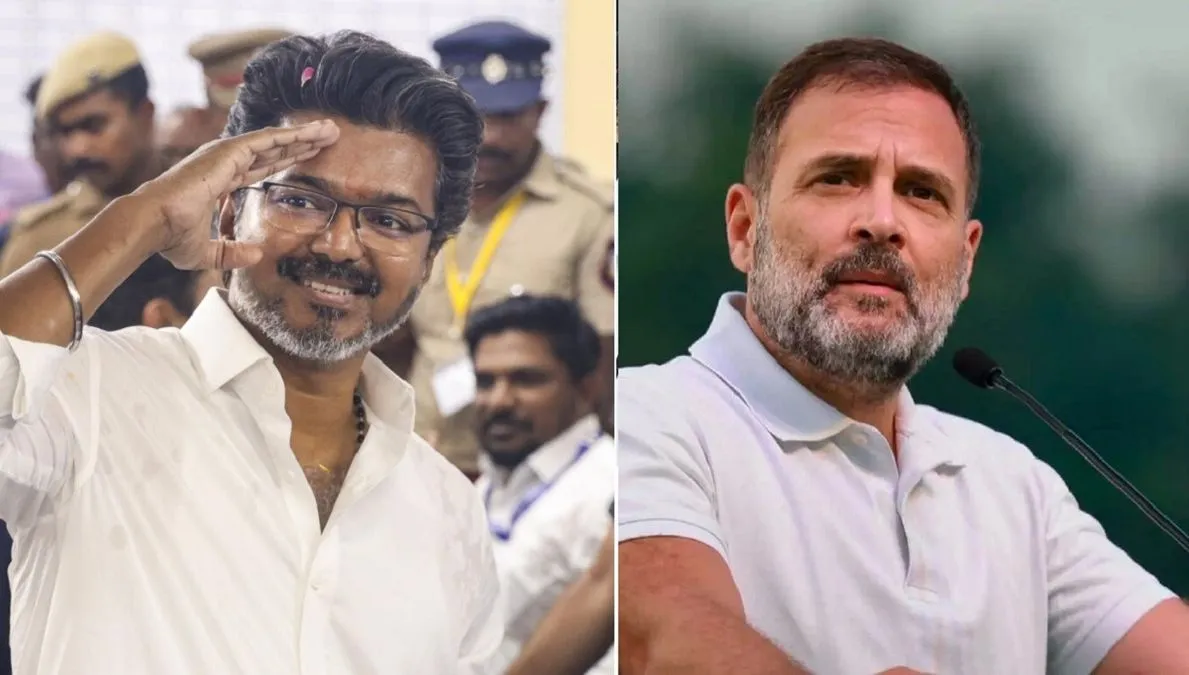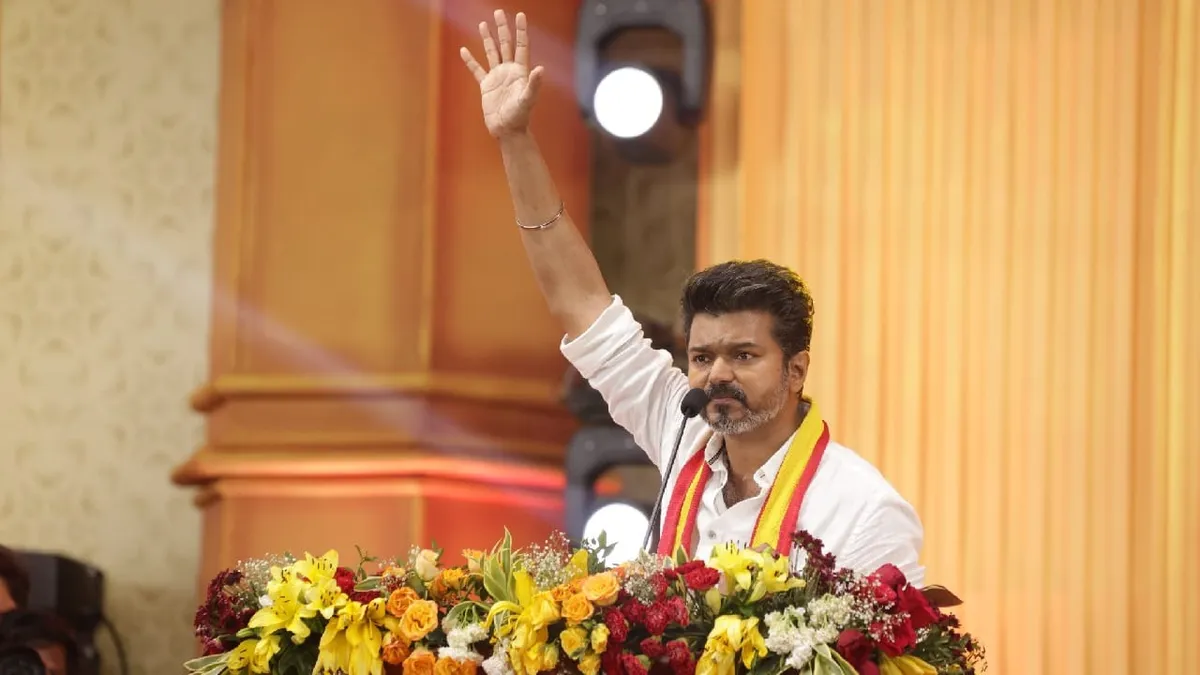
In a stunning turn of events, Vijay’s Tamilaga Vettri Kazhagam (TVK) has disrupted the traditional dominance of the Dravidian parties in Tamil Nadu by emerging as the single largest party in the 2026 assembly elections. With a newfound political landscape, the results have sent shockwaves through established parties.
Before this development, expectations were firmly rooted in the continued success of MK Stalin and his party, the Dravida Munnetra Kazhagam (DMK). The DMK had been riding a wave of support after five years in power, with many believing they would secure another majority. But as votes were counted, it became clear that change was on the horizon.
Key results:
- Tamilaga Vettri Kazhagam won 85 seats and is leading on 22 out of 234 constituencies.
- The ruling DMK secured 41 seats and is leading on 18.
- The All India Anna Dravida Munnetra Kazhagam (AIADMK) managed to win 32 seats with a lead on 15.
- TVK garnered approximately 34.72% of the vote share, translating to around 1.18 crore votes.
- DMK followed with about 24% of votes, equating to roughly 84 lakh votes.
The decisive moment came when MK Stalin lost his Kolathur constituency to TVK candidate V S Babu by around 8,700 votes. This defeat marked a significant turning point — it was more than just a seat lost; it symbolized a broader rejection of DMK’s governance.
Experts weighed in on this shift. Political analysts noted that Vijay’s ability to connect with younger voters played a crucial role. “The people of Tamil Nadu have delivered their verdict, and we humbly accept it,” stated Udhayanidhi Stalin, acknowledging the changing tides.
Sivakarthikeyan congratulated Vijay for achieving such a big victory and impact in his first election. This sentiment reflects a growing recognition of TVK as a legitimate player in Tamil Nadu politics.
The fallout from this election will be felt across party lines. The DMK now faces internal scrutiny and questions about its future direction. Meanwhile, TVK’s rise poses new challenges for both DMK and AIADMK as they recalibrate their strategies moving forward.
This election serves as a referendum not just on MK Stalin’s tenure but also on the evolving political landscape in Tamil Nadu—where new voices are beginning to resonate more loudly than ever before.