On May 5, 2026, the UAE faced its first significant attack since a recent ceasefire with Iran. This incident has sparked renewed fears of escalating tensions in the Gulf region, particularly after a period of relative calm following the US-Iran negotiations that began on April 8.
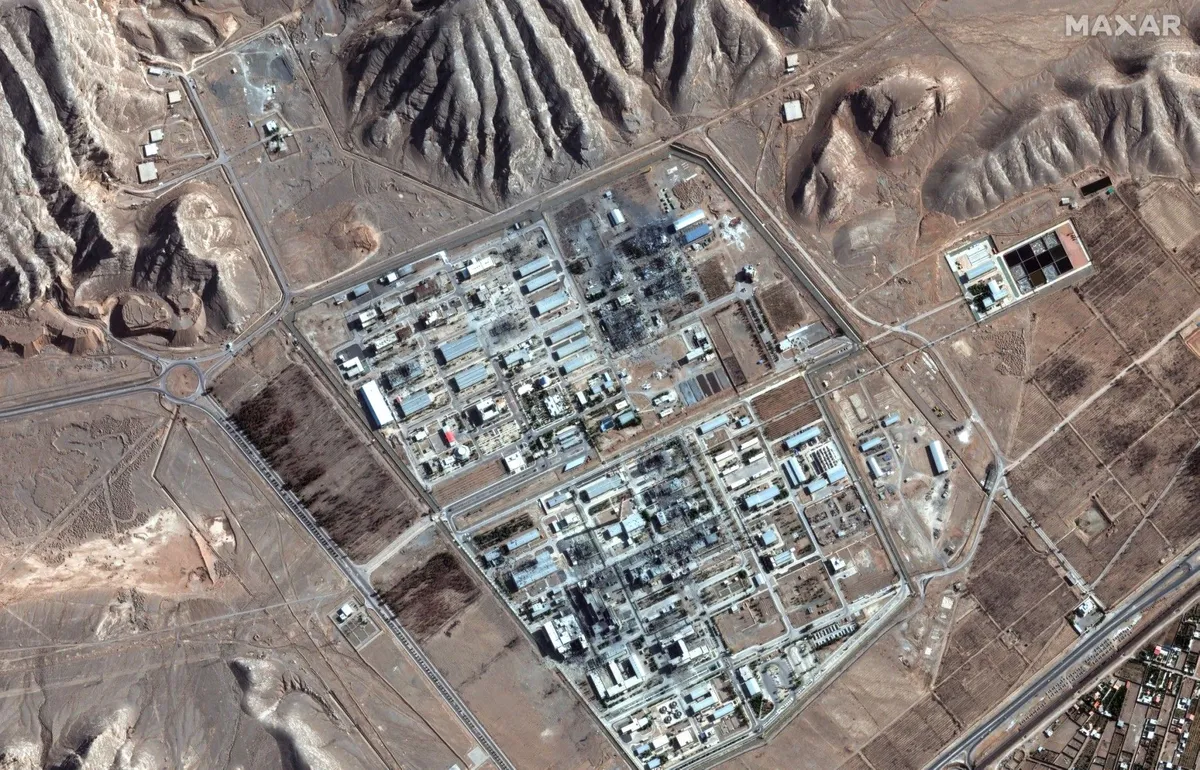
What changed? A drone attack targeted the Fujairah Petroleum Industries Zone, resulting in a large fire and injuries to three Indian nationals. The UAE’s air defenses intercepted 12 ballistic missiles, four drones, and three cruise missiles during this assault. Emergency alerts echoed across the nation as residents were urged to seek shelter.
The Iranian military claimed it had no plans to target the UAE despite these aggressive actions. Yet, the UAE’s Ministry of Foreign Affairs condemned the strikes as a dangerous escalation and a clear violation of international law.
In response to this crisis, regional allies have rallied around the UAE. Saudi Arabia, Qatar, Kuwait, Bahrain, and Jordan all condemned Iran’s actions. This collective stance underscores the fragile balance within the Gulf Cooperation Council amid rising hostilities.
Key statistics from the attack:
- The UAE intercepted 12 ballistic missiles and four drones.
- Three Indian nationals were reported injured in the attack.
- Emergency alerts were issued nationwide for residents to seek shelter.
- The attacks marked a significant turning point — being the first since the ceasefire began.
Experts warn that these incidents threaten maritime navigation in the Strait of Hormuz — a crucial passage for global oil transportation. The implications extend beyond immediate safety concerns; they may also affect US-Iran relations moving forward.
As tensions rise, Canada and other nations have voiced their condemnation. Mark Carney stated that Canada strongly condemns Iran’s unprovoked missile and drone strikes on the UAE. Ursula von der Leyen added that such attacks are unacceptable and constitute a clear violation of sovereignty and international law.
The situation remains fluid. The UAE has shifted its educational framework to distance learning for five days due to security concerns. As both nations navigate this turbulent landscape, it’s evident that diplomatic efforts will be vital in preventing further escalation.