The West Bengal Assembly elections have unfolded with unprecedented voter engagement, marking the highest turnout since Independence. On April 23 and April 29, 2026, voters flocked to the polls, driven by a palpable sense of urgency and importance.
The figures are staggering: the first phase recorded a remarkable 92.8% turnout, while the second phase followed closely with 91.47%. This surge in participation is crucial as the Trinamool Congress (TMC) seeks to maintain its hold on power against a resurgent Bharatiya Janata Party (BJP), which is eager for a historic victory.
With a total electorate that shrank from 7.66 crore to 6.82 crore due to the SIR exercise, the dynamics of this election have shifted significantly. The TMC has been at the helm for five years, but recent challenges from the BJP have intensified, setting a fierce stage for both parties.
Key facts:
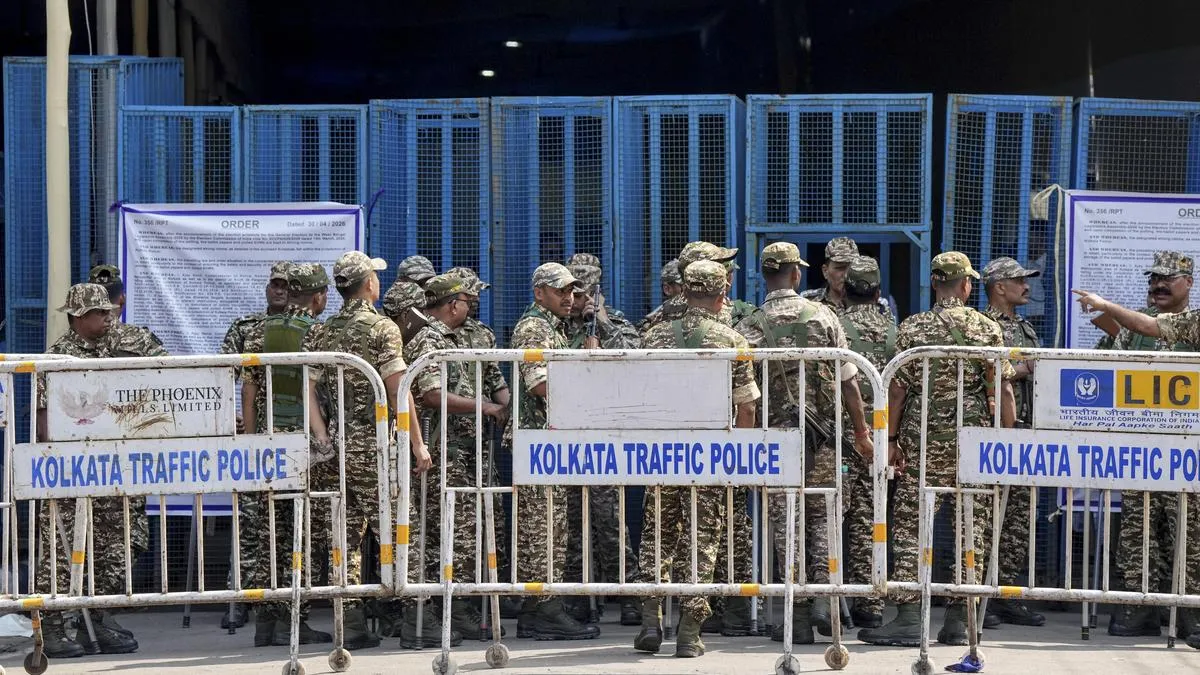
- The votes for 293 Assembly seats will be counted on May 4, 2026.
- Repolling for the Falta Assembly seat is scheduled for May 21 due to reported electoral malpractices.
- The Election Commission has appointed 165 additional counting observers and 77 police observers.
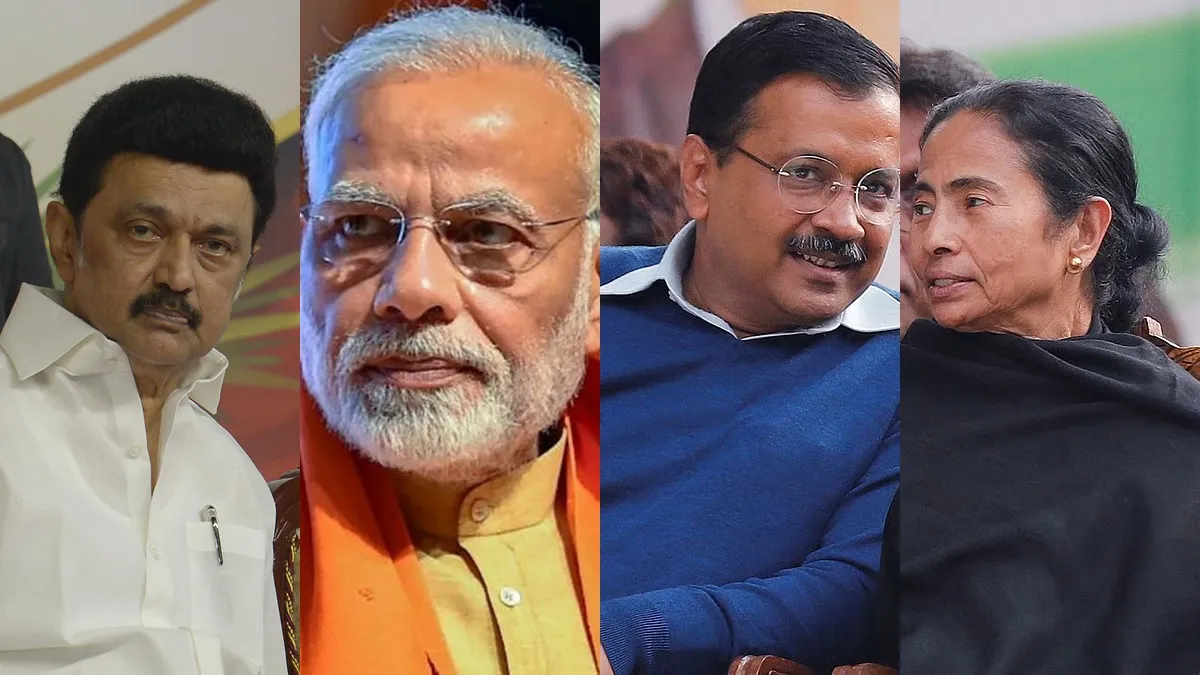
Mamata Banerjee’s leadership faces scrutiny as both CPI(M) and Congress aim to regain their footing after being almost wiped out in the last polls. Their hopes hinge on this year’s unprecedented voter turnout—will it translate into seats?
The stakes are high, not just for Banerjee and her party but also for the BJP, which is eyeing a breakthrough in a state that has historically resisted its influence. As results loom on May 4, all eyes will be on West Bengal—what will this election reveal about the shifting political landscape?