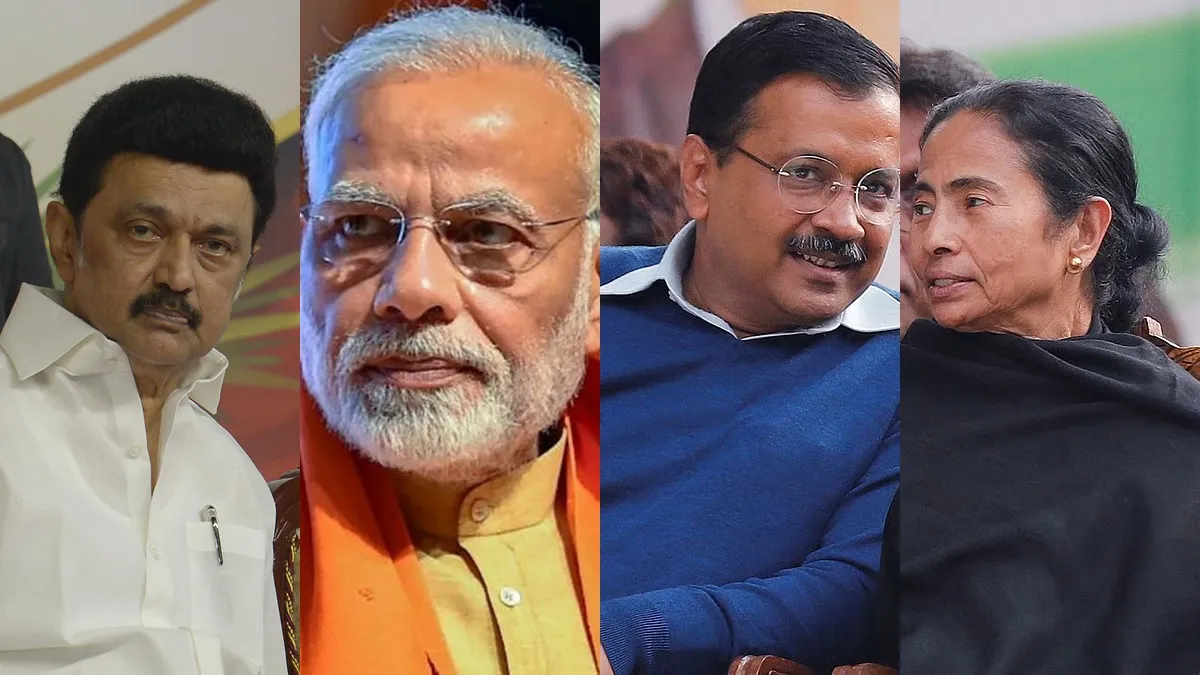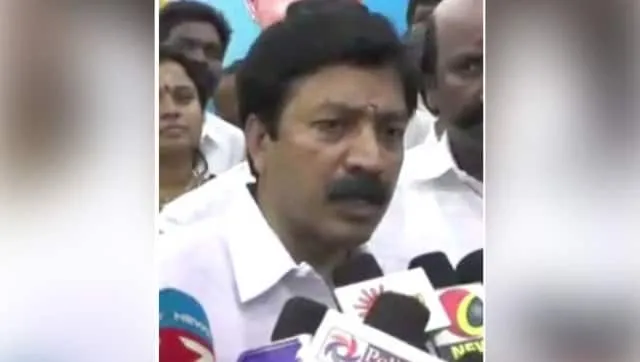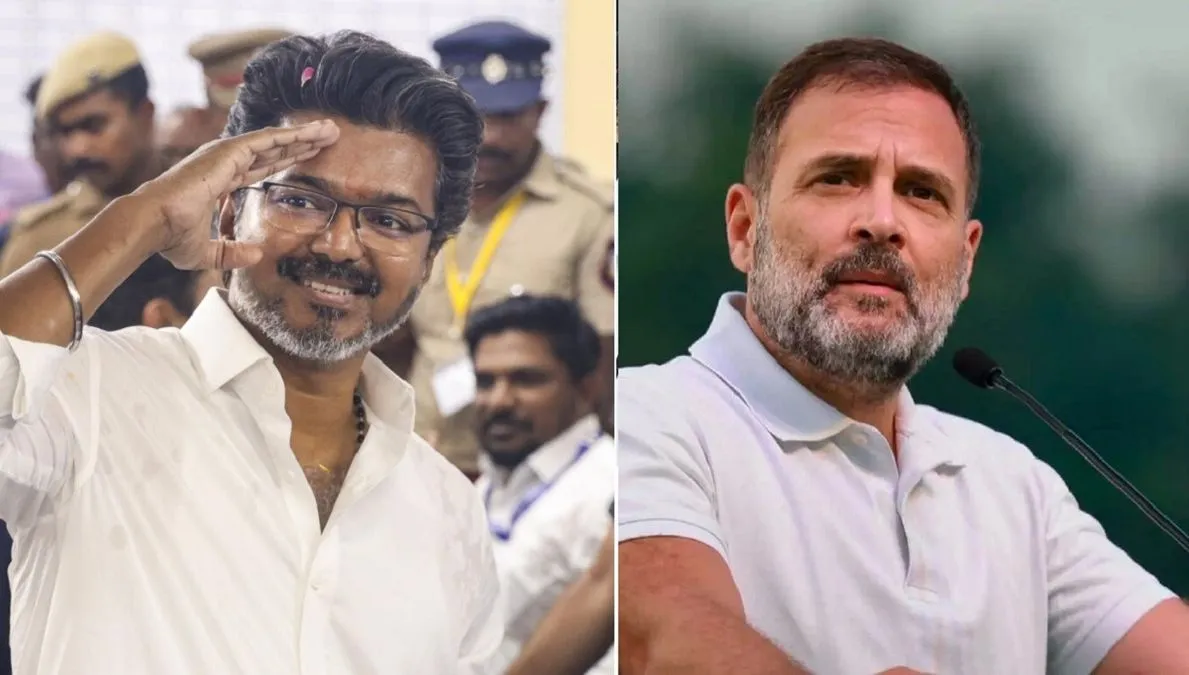
On the day of vote counting in Kerala, Vishnu Pooja was conducted for Chief Minister Pinarayi Vijayan at Kanathur Mahavishnu Temple. This ritual, performed under the auspices of Chothi Nakshatra, set a spiritual tone amid the anticipation surrounding the electoral results.
The atmosphere was charged with expectation. Voting had concluded, and all eyes were on the counting centers. In Kerala, officials prepared to start counting at 8:00 AM across 140 centers. Postal ballots would be counted first—an essential step before moving to the EVM results at 8:30 AM.
In contrast, West Bengal faced its own challenges. The counting of votes for 293 constituencies began simultaneously but with a notable reduction in counting centers—from 108 to just 77—due to security protocols mandated by the Election Commission. This move aimed to ensure a smoother process amid concerns over potential unrest.
As the numbers began rolling in, immediate effects rippled through the political landscape. The Trinamool Congress and other parties braced themselves for outcomes that could shift power dynamics significantly. Observers noted that strict security protocols and QR-code identification systems were in place to maintain order during this crucial time.
Key statistics from the voting process:
- Vote counting commenced at 8:00 AM across 140 centers in Kerala.
- Postal ballots were prioritized before EVM results were released at 8:30 AM.
- In West Bengal, the number of counting centers decreased from 108 to 77.
- A total of 242 observers were deployed across West Bengal to monitor proceedings.
As results began to emerge, experts pointed out that these elections reflect broader trends in regional politics. The Supreme Court’s mandate requiring central government staff presence during counting added another layer of oversight.
The real-time results became accessible through various platforms, including results.eci.gov.in and the ECINET app—allowing voters and parties alike to stay informed as events unfolded.
This day not only marked a pivotal moment for Kerala but also highlighted the intricate dance between tradition and modern electoral processes—a blend of rituals and statistics shaping the future of governance.