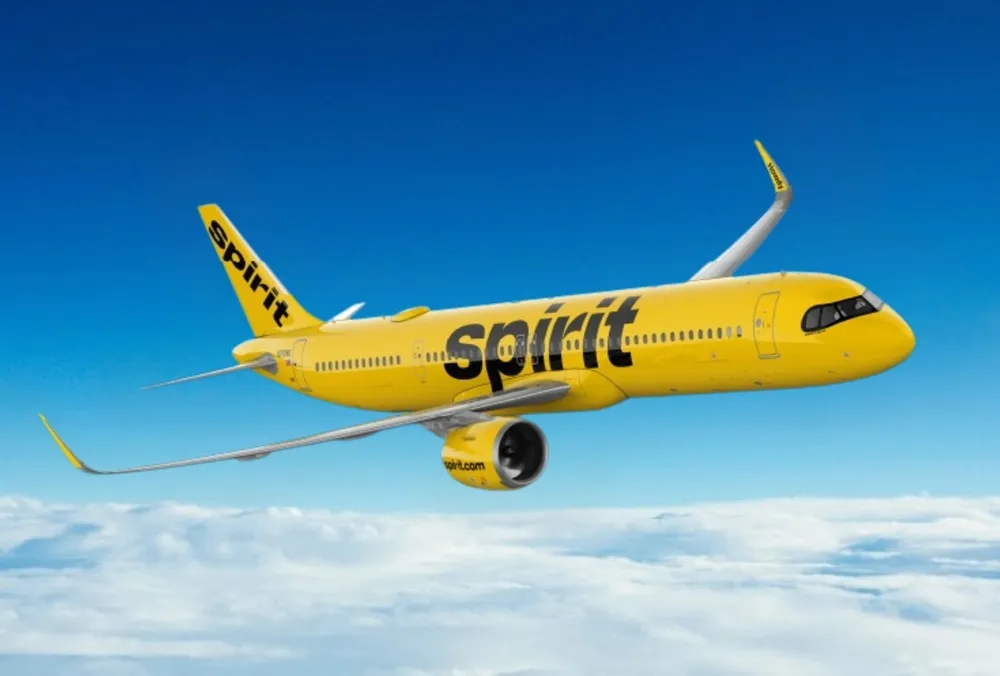
On May 3, 2026, Spirit Airlines announced it would cease operations after 34 years, leaving thousands of customers stranded at airports across the country. The sudden shutdown highlights the struggles faced by ultra-low-cost carriers in an airline industry grappling with soaring jet fuel prices.
In a statement, the company confirmed that all Spirit flights have been cancelled, advising passengers not to travel to the airport. This shocking decision follows a tumultuous period for the airline, which has not turned a profit since 2019 and has been in bankruptcy proceedings twice in less than two years.
Key facts:
- Spirit Airlines employed around 17,000 people before its abrupt shutdown.
- The airline had approximately 4,000 flights scheduled through May 15.
- The decision to wind down operations was influenced by a significant rise in oil prices and operational pressures.
Dave Davis, CEO of Spirit Airlines, reflected on the airline’s legacy: “For more than 30 years, Spirit Airlines has played a pioneering role in making travel more accessible and bringing people together while driving affordability across the industry.” However, despite these efforts, the recent spike in oil prices has severely impacted Spirit’s financial outlook.
The closure came as no surprise to many industry analysts who had been monitoring the situation closely. Sean Duffy from the U.S. Department of Transportation urged travelers with existing bookings to stay away from airports, stating plainly, “If you have a flight scheduled with Spirit Airlines, don’t show up at the airport – there will be no one here to assist you.” This sentiment echoes the growing frustration among travelers who relied on Spirit for budget-friendly options.
The fallout from this closure is significant. Travelers are left scrambling for alternative arrangements while facing potential losses on non-refundable tickets. This incident underscores broader issues within the airline industry — particularly how rising jet fuel prices can lead to devastating travel disruptions for consumers.
As for what comes next? There’s uncertainty surrounding how many employees will be retained during this wind-down phase and what support will be available for affected passengers. While some may seek compensation or refunds for their cancelled flights, others might find themselves navigating a crowded market for last-minute travel options.