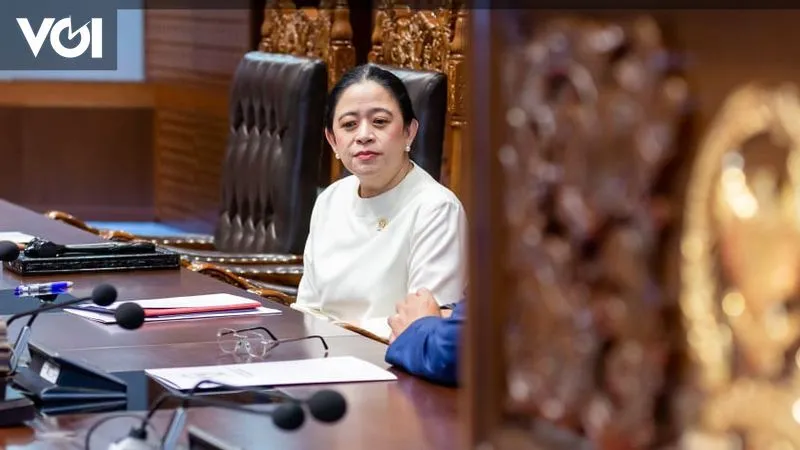
As the sun rose over Jakarta on May Day 2026, thousands gathered to voice their concerns. Puan Maharani stood at the forefront, calling for urgent reforms in worker protections amidst a backdrop of uncertainty and looming layoffs.
Workers rallied, their voices unified as they presented 11 demands. The elimination of outsourcing topped the list. Many felt that the current system left them vulnerable—exposed to sudden job losses without adequate safety nets.
Puan highlighted a dire warning: 9,000 workers faced potential layoffs if changes weren’t made. “This demand should be read on a large scale: policies for jobs actually increase uncertainty in workers’ lives,” she declared, her words resonating with urgency.
The government’s target of creating 19 million jobs in five years seemed increasingly distant. Puan emphasized that without strengthening the industrial foundation, this goal would remain a mirage. She insisted that work should not stop until employees lost their jobs—an echo of her commitment to protect those at risk.
In her address, she welcomed new regulations from Permenaker regarding outsourcing but criticized the lack of clarity on what types of outsourcing were acceptable. Digital transport workers, often overlooked, were also part of her focus. Their income and job security shouldn’t be seen as marginal issues; they deserved equal protection under the law.
A tragic train accident in East Bekasi further underscored her message. Several workers lost their lives returning home after a long day’s work. “The state must also ensure that transportation is safe and that facilities for workers’ families are truly qualified,” Puan urged, reminding everyone of the human cost behind policy decisions.
This year’s May Day wasn’t just a celebration—it was a call to action. It reflected ongoing discussions about worker rights and protections in Indonesia, emphasizing that reform is not just necessary but urgent.
Puan’s emphatic stance marks a pivotal moment in labor rights advocacy. As the nation grapples with these challenges, her words serve as both a warning and a rallying cry for change.