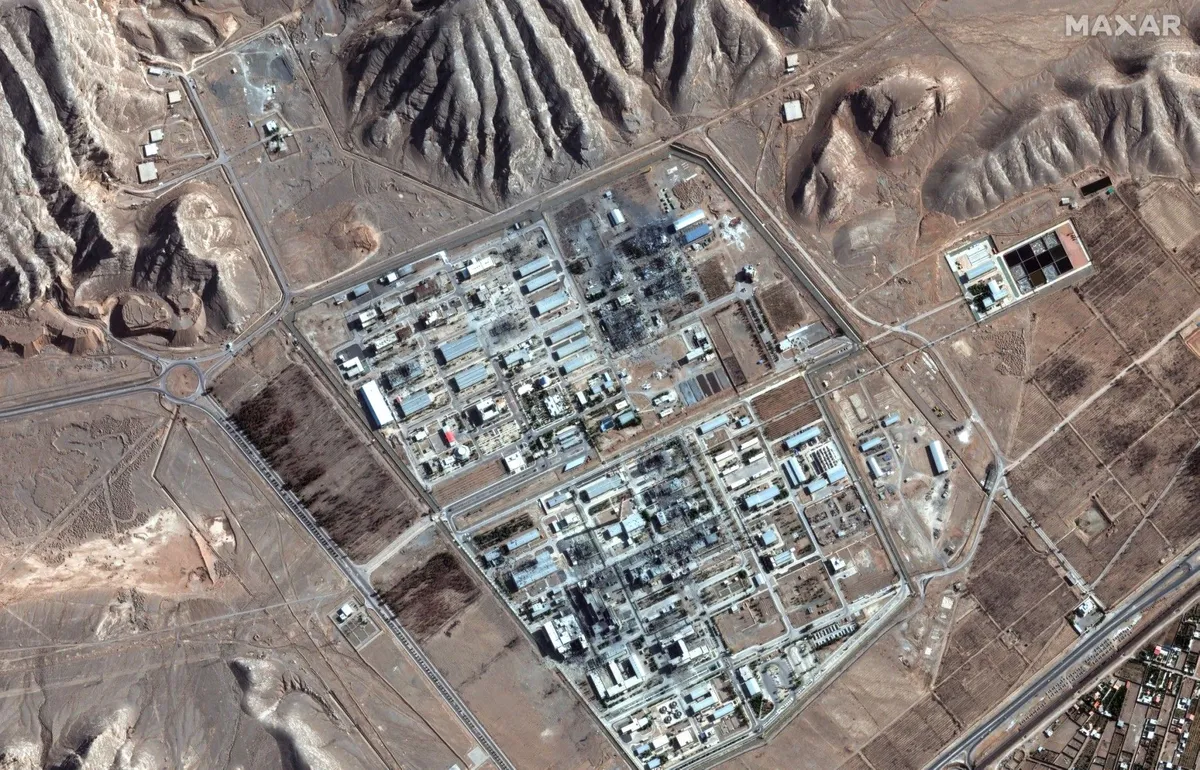
“Bangladesh is set to become the world’s 33rd country to generate electricity using nuclear energy,” said a spokesperson from the Bangladesh Atomic Energy Commission, as the Rooppur Nuclear Power Plant commenced its historic fuel loading.
This moment marks not just a technological leap but a pivotal shift for a nation striving for energy security. The Rooppur project, which has been in development for years, boasts a total generation capacity of 2,400 megawatts, split between two units of 1,200 megawatts each.
As Bangladesh grapples with rising electricity demands, the plant is expected to supply around 300 megawatts to the national grid on a trial basis by August. This initial output could meet approximately 10-12 percent of the country’s electricity demand, providing much-needed relief.
The journey to this milestone has not been easy. With challenges ranging from financing to public acceptance, the project reflects Bangladesh’s ambitions amid a backdrop of economic growth. Currently, the country’s tax-to-GDP ratio hovers near 7%, one of the lowest in Asia, which raises questions about sustainable funding for such large-scale initiatives.
Key facts about the Rooppur Nuclear Power Plant:
- The plant consists of two units, each capable of generating 1,200 megawatts.
- Full-scale commercial generation may take up to 10 months after trial generation begins.
- The project is Bangladesh’s largest infrastructure initiative.
Discussions around tax policy are also surfacing. A targeted inheritance or net-wealth levy could potentially raise between $1.5-1.7 billion annually—an amount that could support various sectors including energy investments.
Still, implementing such taxes might be politically sensitive. As noted by analysts, “The political case however is another matter. Inheritance tax is unpopular almost everywhere it exists.” Yet it seems Bangladesh now appears to be weighing such an option.
With projections indicating that Bangladesh’s per capita GDP may exceed India’s by 2026, this nuclear venture could symbolize more than just energy production—it might represent a broader economic narrative for a nation on the rise.