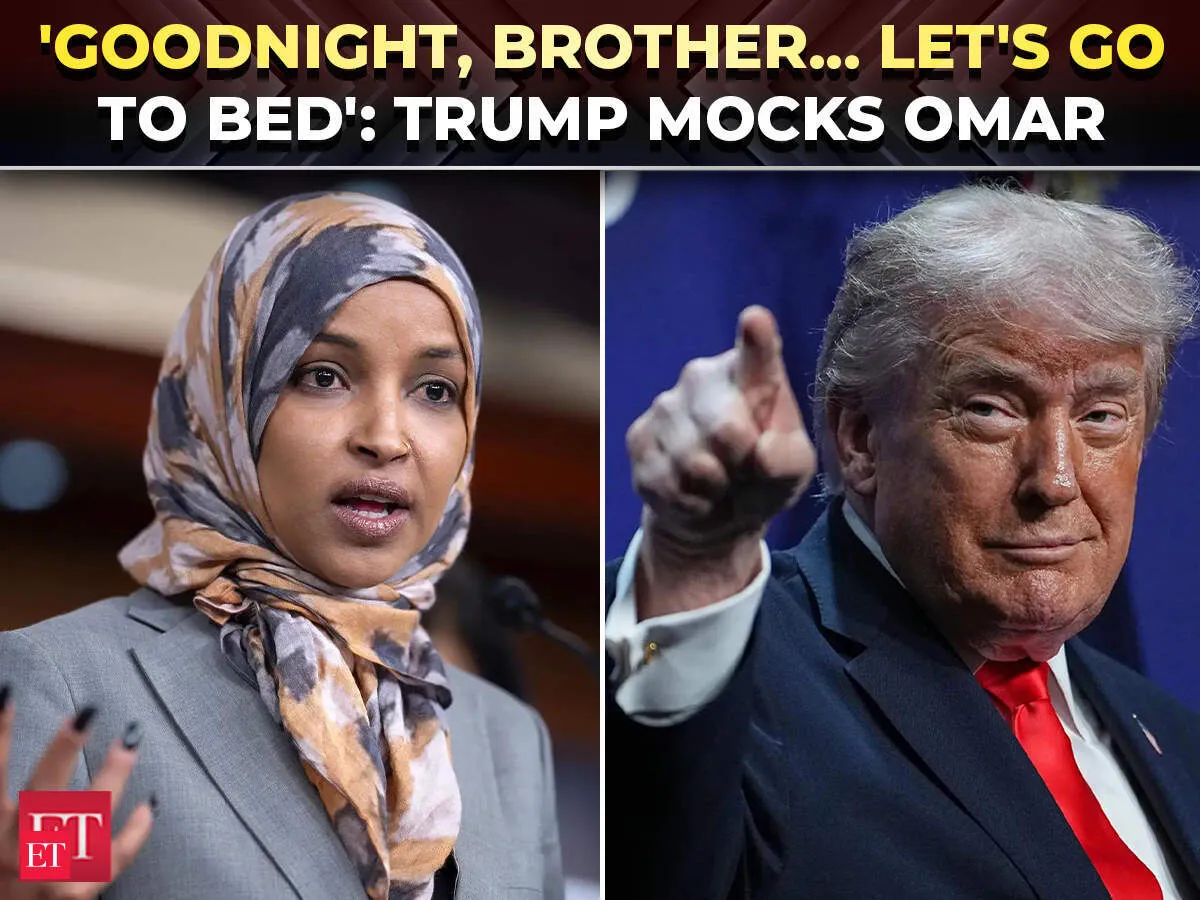
At a Trump rally in Florida, the former president took aim at Ilhan Omar, calling her a ‘phony’ and claiming she married her brother, which he labeled ‘totally illegal.’ These remarks have reignited fierce discussions about political rhetoric, particularly regarding immigrants and Muslim representation in the US Congress.
Before this moment, Omar had already been a polarizing figure since her election. She was one of the first Muslims elected to Congress, representing Minnesota. Her presence was seen as a significant step for Muslim representation in a predominantly white legislature. But Trump’s comments—loaded with disdain—shifted the narrative back to personal attacks and allegations rather than policy debates.
Immediately following Trump’s speech, reactions poured in. Omar responded sharply, criticizing Trump’s legal history. She called his comments an ‘unhinged rant,’ emphasizing that they distract from real issues faced by constituents. The tension escalated when she pointed out that Trump himself has faced numerous legal challenges, including 34 felony convictions.
In this heated exchange, the implications stretch beyond just two individuals. Trump’s derogatory remarks about Somalia—calling it ‘filthy’ and ‘disgusting’—reflect a broader trend of anti-immigrant sentiment that has permeated political discourse. This moment underscores how personal attacks can overshadow substantive discussions on immigration policy.
Key quotes:
- “Get the hell out. What a phony.” — Donald Trump
- “I believe she married her brother, which is totally illegal.” — Donald Trump
- “This unhinged rant would solicit anger if it wasn’t coming from a criminal, who has 34 felony convictions.” — Ilhan Omar
- “I still don’t know how anyone would willingly humiliate themselves like this but here we are.” — Ilhan Omar
The Omar marriage controversy isn’t new; rumors have circulated since 2016. Yet, each time they surface, they serve as a reminder of how political narratives can be manipulated for division. As debates around immigration continue to heat up, the focus often shifts away from policy to personal attacks—distracting from the real issues at hand.
As both sides brace for what lies ahead, it’s clear that Trump’s rhetoric will continue to draw criticism not only for its content but for its broader implications on immigrant communities and political discourse in America.