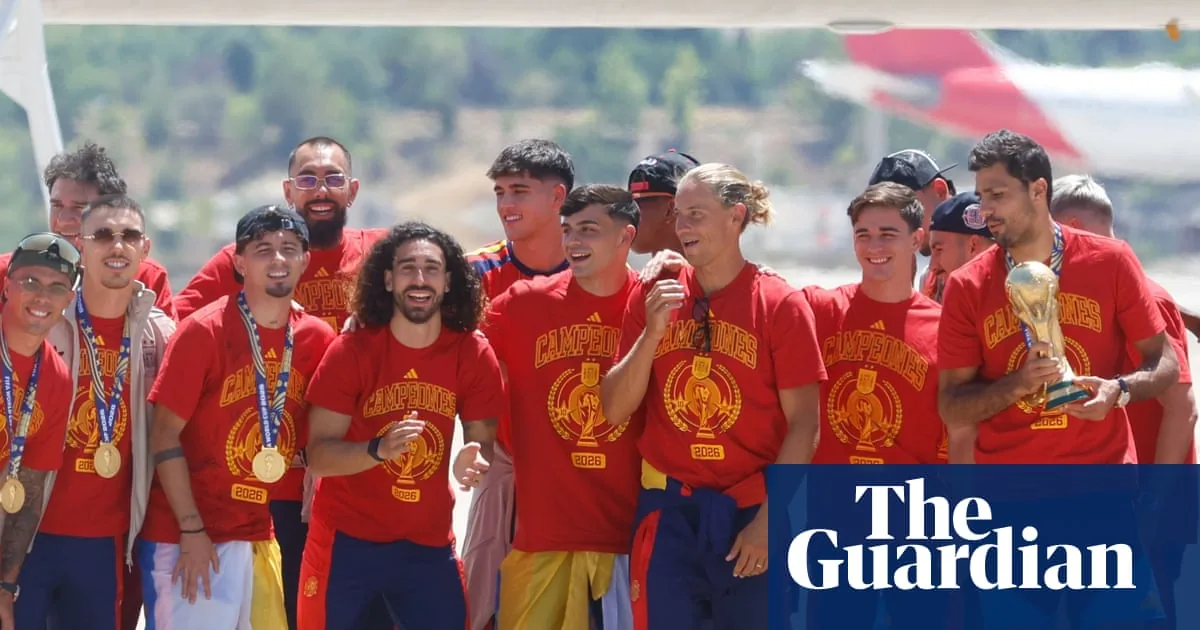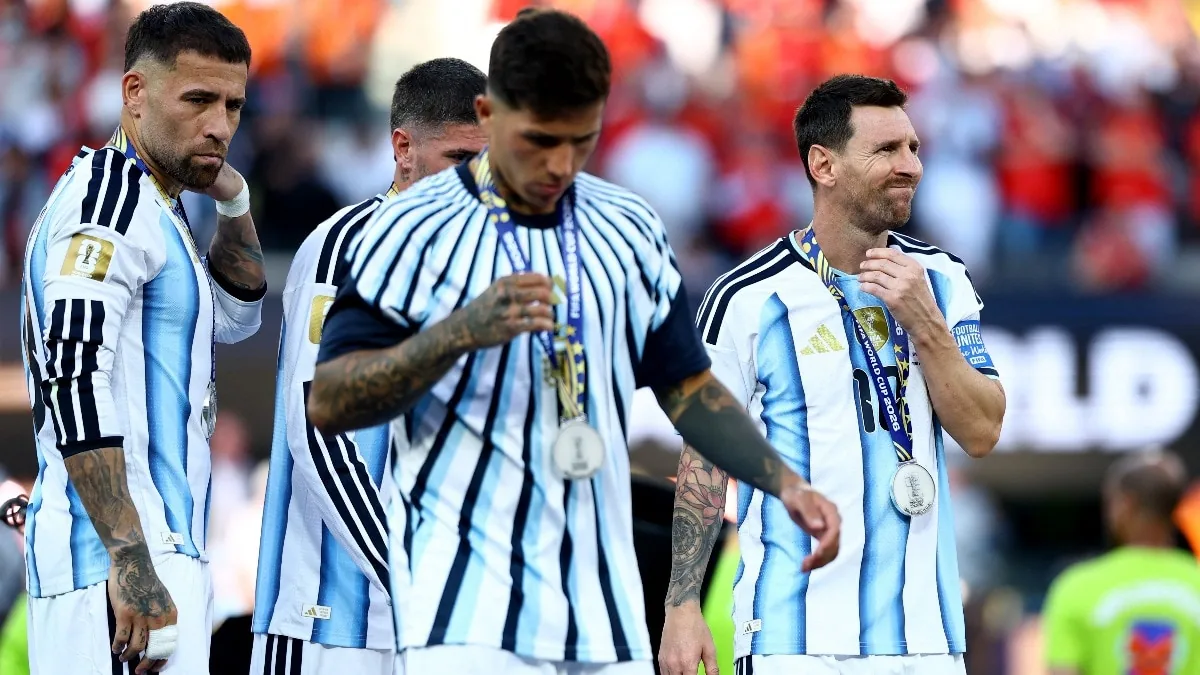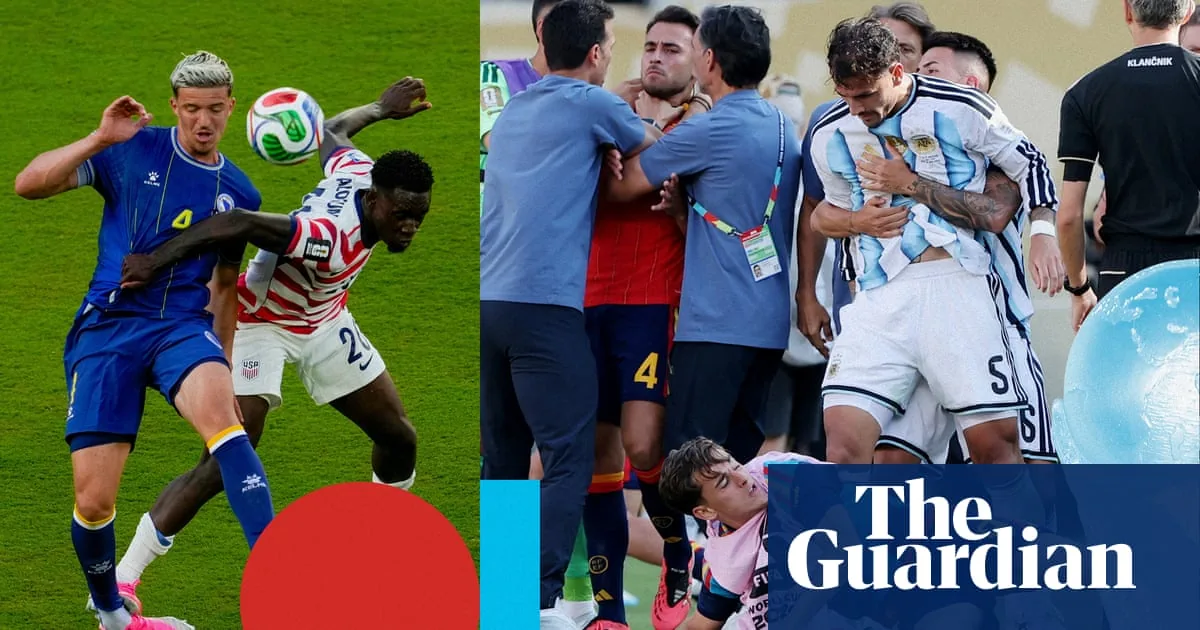
The recent World Cup in North America concluded with Spain securing the trophy after defeating France and then reigning champions Argentina in the final. The tournament, however, was characterized by a mix of sporting spectacle, political controversies, and accessibility challenges for many fans.
During the trophy presentation, United States President Donald Trump remained on stage, requiring FIFA President Gianni Infantino to usher him away before Spain captain Rodri could lift the prize. This moment followed President Trump’s earlier actions, including halting US trade with Spain due to what he cited as insufficient military spending and opposition to the US-Israel war on Iran.
A tournament of mixed reactions
The tournament evoked diverse reactions among fans. Some experienced American hospitality, with cities like Kansas City welcoming Algeria and Boston being filled with Scottish supporters. Conversely, others pointed to the Trump administration’s policies, such as visa denials, alleged mistreatment of the Iranian team, and the incident involving Somali referee Omar Artan, who was reportedly not allowed into the country.
For Egyptians, the tournament was marred by controversial refereeing decisions that contributed to their exit in a Round of 16 match against Argentina. Argentinians, on the other hand, might remember the competition for their team’s resilience and comebacks leading to the final. Nations like Jordan, Iraq, and Haiti expressed gratitude simply for their participation.
The event also featured underdog stories, including the performance of Cape Verde and Norway’s progression to the quarter-finals. Despite these surprises, the semi-finals ultimately featured the top four FIFA-ranked teams, indicating a blend of upsets and expected outcomes. The World Cup showcased football’s capacity to unite and bring joy, with fans of losing teams continuing to celebrate the game.
However, the competition also highlighted divisions. Some Iranian fans faced abuse and Islamophobic chants from anti-government activists. The US hosts imposed travel restrictions on the Iranian team, and after Iran failed to advance from the group stage, US Department of Homeland Security Secretary Markwayne Mullin expressed his happiness.
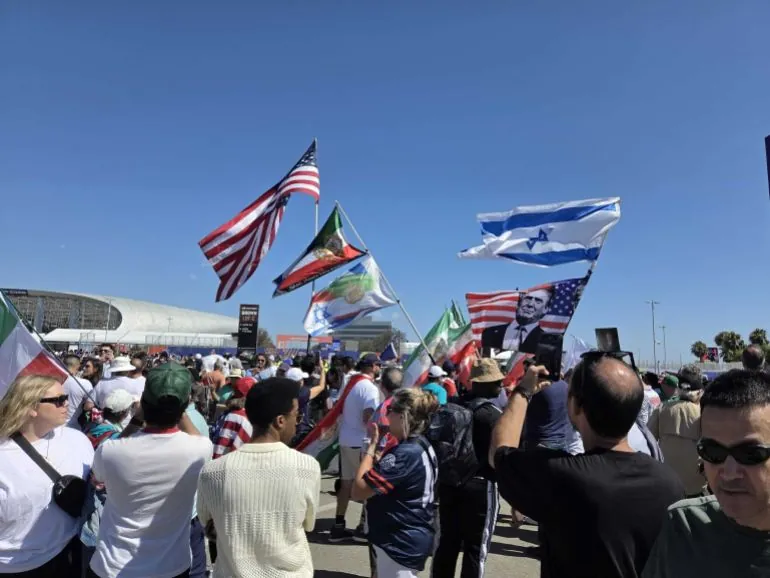
The tournament, intended to be apolitical, became a platform for political statements, with President Trump taking a central role. He acknowledged intervening with FIFA officials to revoke the suspension of USA striker Florian Balogun, though Team America subsequently lost 4-1 to Belgium. Throughout the event, some fans displayed Palestinian flags, while others showed Israeli flags.
Commercialisation and accessibility concerns
The World Cup brought football to a country that had not fully embraced the sport, leading FIFA to allow the US to introduce its unique elements. These included mid-half hydration breaks for commercials, championship rings, and half-time shows, which many spectators perceived as an effort to Americanise the game.
Football’s global appeal is often attributed to its accessibility, requiring only a ball to play. However, at this World Cup, watching matches became a luxury. Ticket prices ranged from hundreds to hundreds of thousands of dollars, effectively excluding many working-class fans. For individuals like Juan Cortes, a mechanic in the Los Angeles area, attending games was unaffordable despite the stadium being close to his shop.
The perceived distance between the event and local communities was also evident in the final. Many international fans might have believed the match was held in New York due to the city’s skyline in the background. In reality, the New York New Jersey stadium is located in suburban New Jersey, surrounded by car parks and motorways, making it difficult to access on foot for city residents.
Beyond the fan experience, the tournament also faced scrutiny regarding its organisation and impact. An Italian newspaper described the World Cup as a “disaster,” citing issues such as ticket prices, the Balogun affair, weather conditions, an increased number of games, and reduced rest periods. The newspaper later had its ticket allocation for the final significantly reduced, raising concerns about media access for those critical of the official narrative.
FIFA’s approach to the media during the tournament was also noted, with some venues being welcoming while others provided poor basic organisation and facilities compared to previous World Cups. This was seen as indicative of a broader attitude towards fans as revenue sources and the media as an inconvenience.
On-field action and future implications
On the pitch, the football was described as good but not exceptional. While there were several dramatic matches, particularly in the Round of 32 and Round of 16, the quarter-finals were less inspiring. Argentina’s semi-final victory over England was thrilling, featuring a collapse that is expected to be discussed for years. However, Spain’s win against France was described as straightforward, with Spain quickly establishing dominance.
The final match itself was considered dismal, with the right team winning but the spectacle being grim. This ending, combined with earlier controversies, positions the tournament behind previous editions like 2022 and 2018. The Balogun affair, where political pressure reportedly influenced a player’s participation, could have lasting consequences, potentially setting a precedent for famous players receiving special dispensations.
The treatment of Iran also set a concerning precedent. Issues such as ticket prices may be reviewed for future tournaments, but the idea of accessible tickets for regular fans appears to be diminishing, transforming the World Cup into a luxury event. The financial and social costs to host cities, including the displacement of homeless populations in the US and Canada, and environmental concerns in Mexico related to water extraction, are expected to become clearer over time.
Despite these challenges and contradictions, the World Cup still delivered memorable moments, excitement, close calls, comebacks, individual heroics, and entertainment that will be remembered for decades.
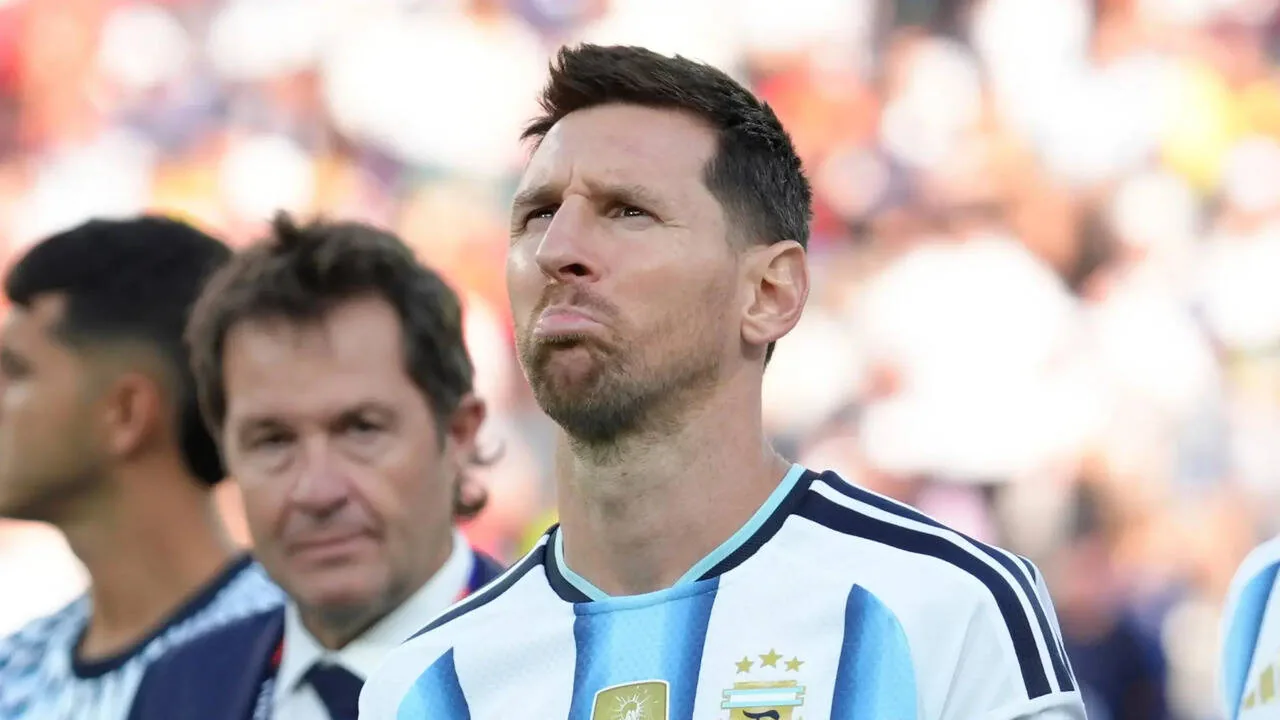
The tournament saw young talents like Lamine Yamal make a significant impact, while veterans such as Lionel Messi continued to perform at a high level. Unsung heroes, including Spain’s Marc Cucurella and Pedro Porro, played crucial roles in key matches, contrasting with some prominent players from the German and Portuguese squads who did not leave a lasting impression.
These inconsistencies are not new to football, a sport that has historically thrived amidst such contradictions. As the German manager Sepp Herberger once said, “The ball is round. The game lasts 90 minutes. Everything else is theory.”
Read Also
Source: aljazeera.com