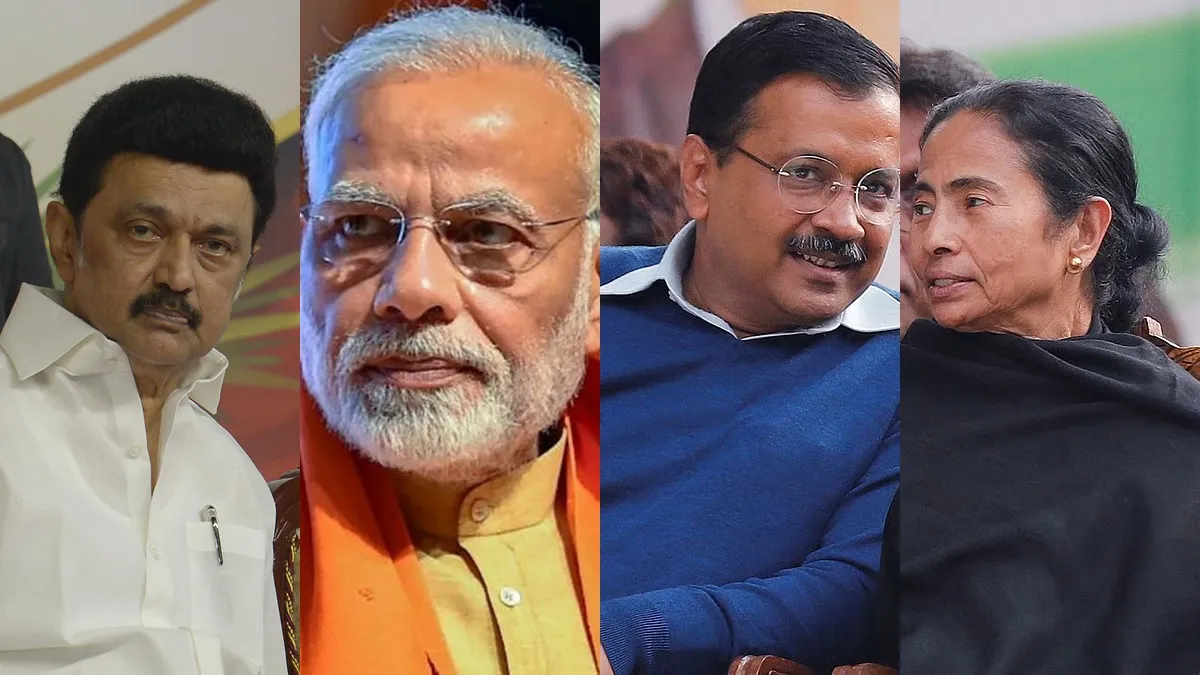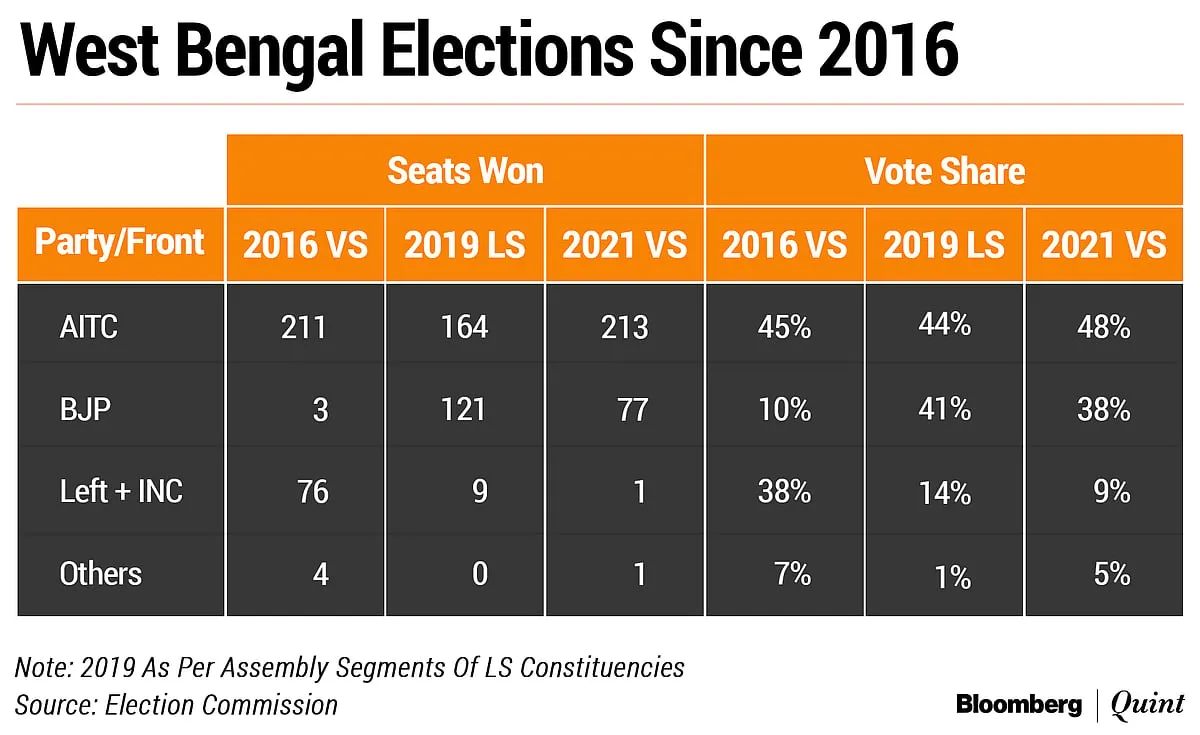
On April 29, 2026, West Bengal witnessed a historic moment as the voter turnout soared to an impressive 89.99%, surpassing the previous record of 80.4% set in 2021 for the same assembly seats.
Before this surge, analysts anticipated a competitive election, yet many speculated that voter apathy might linger—especially given the political tension between the Bharatiya Janata Party (BJP) and the Trinamool Congress (TMC). Mamata Banerjee’s government had faced criticism over various issues, and some believed this would dampen enthusiasm.
But then came the decisive moment: the polls opened, and voters across districts began to flock to polling stations. By 5 PM, reports indicated that Purba Bardhaman recorded an astounding 94.06% turnout in the second phase of voting, while Hooghly and Nadia also saw impressive numbers at 90.34% and 90.28%, respectively.
This overwhelming participation had immediate implications for both major parties involved. For the BJP, this was a test of their strategies against Mamata Banerjee’s TMC—who had campaigned vigorously to retain power amid allegations of election rigging. Banerjee herself voiced concerns about central forces allegedly favoring one party over another.
Key statistics from the election:
- The overall voter turnout reached 89.99% by 5 PM on April 29.
- Phase 1 concluded with a record turnout of 92.25%.
- Purba Bardhaman topped with a turnout of 94.06%.
- District-wise, Purba Bardhaman also led with 92.46%.
- Bharatiya Janata Party faced accusations from Banerjee regarding electoral integrity.
The electoral process was largely peaceful despite these tensions—1,448 candidates contested across 142 constituencies in seven districts. Yet, concerns lingered about whether this high turnout would translate into votes for either party.
Mamata Banerjee remarked, “The BJP wants to rig this election… Is there a goonda raj here?” Such statements reflect not just her concern but also the broader atmosphere of distrust permeating these elections.
The shift in voter engagement suggests a renewed interest in democracy among West Bengal’s citizens—a potential game changer in future electoral processes as they navigate their political landscape.