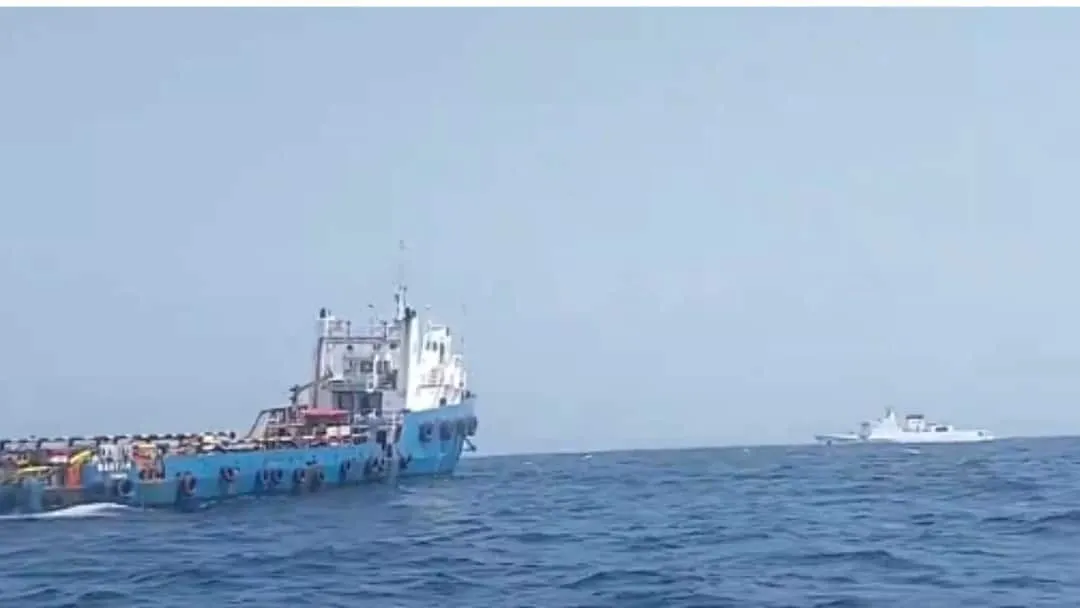
What does the tragic loss of three lives from a Thai-flagged vessel in the Strait of Hormuz reveal about the current state of maritime security in the region? It underscores the persistent dangers that vessels face in one of the world’s most vital shipping lanes, as well as the complex geopolitical dynamics at play.
On April 8, 2026, Thailand confirmed that three crew members from the attacked vessel had died. The incident, which took place in the Strait of Hormuz, also saw the Omani navy rescue 20 crew members, highlighting the immediate dangers faced by seafarers in this critical area. Sihasak Phuangketkeow, a Thai official, expressed deep sorrow over the loss, stating, “The three crewmen on the Thai-flagged vessel that was attacked in the Strait of Hormuz last month have died.” This tragic event has sent shockwaves through Thailand, a nation that has recently been strengthening its international partnerships.
The attack comes at a time when Thailand and India have elevated their relationship to a ‘strategic partnership’ as of April 2025, reflecting a growing collaboration in various sectors, including technology and trade. Historically, India and Thailand share over two millennia of cultural and commercial contact, which has only intensified in recent years. As Thailand ranks second after India in semiconductor manufacturing among emerging economies, the two nations are poised to benefit from mutual advancements in technology.
Thailand’s semiconductor market is projected to mobilize more than 2.5 trillion baht (approximately US$81 billion) in investment by 2050, positioning the country as a significant player in the global technology landscape. This ambitious roadmap aims to transform Thailand into a technology-owning chip producer, further solidifying its economic standing in the region. In contrast, India’s semiconductor market was estimated to be about US$50 billion in 2024-25, showcasing the potential for collaboration between these two nations.
As Thailand grapples with the aftermath of this maritime tragedy, the implications for regional security are profound. The Strait of Hormuz is not just a shipping lane; it is a geopolitical flashpoint where multiple nations, including the United States, China, and Myanmar, have vested interests. The attack raises questions about the safety of maritime routes and the need for enhanced security measures to protect vessels traversing these waters.
Moreover, the incident may prompt Thailand to reassess its maritime security strategies and alliances. With its longest land border shared with Myanmar, Thailand’s security policies are intertwined with regional dynamics that require careful navigation. The loss of lives in such a manner is a stark reminder of the vulnerabilities that exist in international waters, particularly in a region marked by tension and competition.
As the investigation into the attack unfolds, details remain unconfirmed regarding the motives behind the assault and the identities of those responsible. The Thai government is likely to seek answers not only for the families of the deceased but also for the broader implications this incident holds for maritime security in Southeast Asia.
In the wake of this tragedy, Thailand stands at a crossroads, where the need for enhanced maritime safety measures and international cooperation has never been more critical. The nation must navigate the complexities of its geopolitical relationships while honoring the memory of those lost at sea, ensuring that their sacrifice is not forgotten in the pursuit of a safer maritime future.