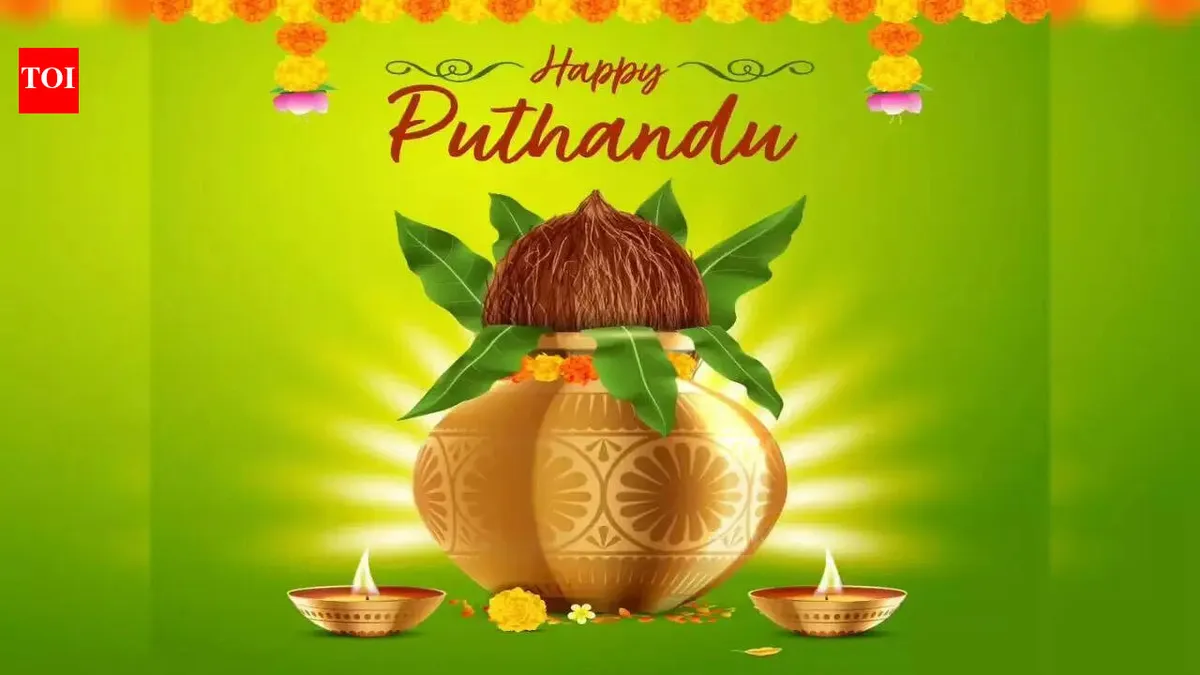
The anticipation surrounding Tamil New Year, known as Puthandu, is palpable in Tamil communities around the world. Traditionally celebrated on the first day of the Tamil month Chitterai, this festival marks the beginning of the Tamil calendar and is a time for families to come together, reflect on the past year, and embrace the new one with hope and optimism. The rituals associated with Puthandu, such as cleaning homes and preparing special meals, have been passed down through generations, creating a rich tapestry of cultural significance.
However, as the date of April 14, 2026, approaches, there is a noticeable shift in how the festival is perceived and celebrated. In recent years, the celebration of Puthandu has evolved, integrating modern elements while still honoring traditional practices. The decisive moment came when communities began to embrace digital platforms to share their celebrations, allowing families separated by distance to connect and partake in the festivities virtually. This change has been particularly significant in the wake of global events that have kept loved ones apart.
The immediate impact of this transformation is evident in the way families are now able to celebrate together, regardless of geographical barriers. Virtual gatherings have become a norm, with families sharing their rituals through video calls, showcasing their preparations for the special meals, and even participating in online puja ceremonies. This year, the traditional sweet dish, Mango Pachadi, will be enjoyed not just in homes but also shared across screens, symbolizing unity in diversity.
Experts in cultural studies note that this shift reflects a broader trend in how cultural celebrations are adapting to contemporary realities. Dr. Anjali Kumar, a cultural anthropologist, emphasizes that while the essence of Puthandu remains intact, the incorporation of technology signifies a resilience and adaptability within the Tamil community. “The festival symbolizes new beginnings, prosperity, and hope for the year ahead, and this year, it embodies the spirit of connection despite physical distances,” she explains.
Moreover, the historical roots of Puthandu, which date back thousands of years, are being revisited in light of these changes. The festival is deeply intertwined with agricultural cycles and the arrival of spring, marking a time of renewal and growth. As the Sun enters the zodiac sign of Aries (Mesha) on this day, the rituals performed, such as viewing auspicious items like fruits and flowers, take on a new meaning in the context of hope and rejuvenation.
As families prepare for Puthandu 2026, the rituals will still include the reading of the Panchangam by the eldest member, a practice that connects the younger generations with their heritage. This year, however, the reading may also be streamed live, allowing extended family members to participate from afar, further highlighting the festival’s adaptability.
In essence, the celebration of Tamil New Year is not just about honoring traditions; it is also about embracing change and finding new ways to connect with one another. As the date approaches, the excitement builds, with communities looking forward to a celebration that promises to be both traditional and modern, a reflection of the times we live in.
As April 14, 2026, draws near, the spirit of Puthandu will undoubtedly shine through, reminding everyone of the importance of family, tradition, and the hope that comes with new beginnings. In a world that often feels divided, this festival serves as a poignant reminder of the bonds that unite us all.