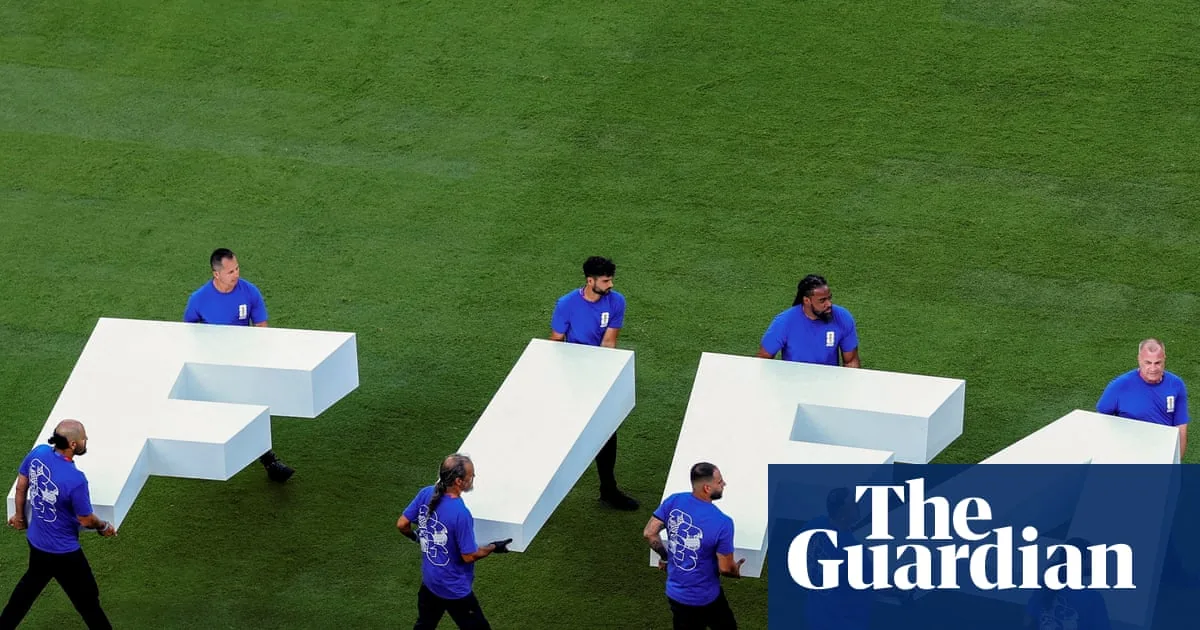
A joint letter from the AFC, CONCACAF, and UEFA has been issued to the football community, highlighting concerns regarding the integrity of the game’s leadership. The letter, signed by the presidents and general secretaries of the three confederations, underscores that football’s growth over the past decade was a collective effort involving FIFA, confederations, and member associations, not the work of any single individual.
The confederations assert that leadership in football is a duty of service, not a personal possession or a means to demand power. They argue that this duty is abandoned when trust is broken through deception and when an individual prioritizes themselves over the collective that granted them authority.
Concerns over judgment and governance
The letter references a recent communication from FIFA to its Vice-Presidents and 211 Member Associations, which acknowledged procedural errors. However, the confederations contend that FIFA mischaracterizes this as a communication failure, viewing it instead as a significant failure of judgment. They point to a proposal advanced on a compressed timeline, without adequate consultation, and pushed towards a deadline before member associations could properly review its terms. This approach, they suggest, was designed to limit scrutiny rather than being a mere oversight.
Furthermore, the confederations state that FIFA has not acknowledged the inherent wrongness of the proposal itself. They specifically mention the attempt to sell an interest in the FIFA World Cup as a profound failure of judgment and a fundamental breach of trust with the institutions FIFA is meant to serve. The letter also criticizes FIFA‘s commitment to presenting a full report on these events to the FIFA Council, arguing that proper governance would require an independent third-party review, not one conducted by FIFA itself or its staff.
The confederations also highlighted that only one elected official was present at a recent leadership meeting in Morocco, with no FIFA Council members or member associations invited. The meeting reportedly included only the management committee, composed of FIFA-employed senior staff. This, they argue, reinforces concerns and represents a continuation of conduct that suggests leadership believes the game is answerable to them, rather than acting as custodians.
Calls for reform and unity
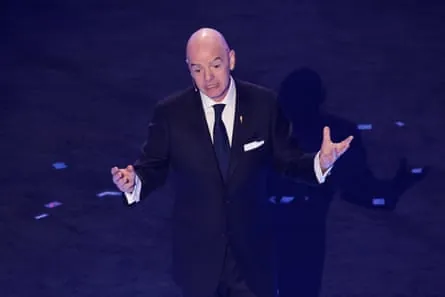
Separately, La Liga president Javier Tebas has stated that Gianni Infantino‘s position as FIFA president is untenable. Tebas, a long-standing critic of the current FIFA regime, claimed that Infantino is “destroying the very essence of football” and called for reform at the highest levels of the game. He reiterated his call for Infantino to resign, an appeal he first made before a reported sell-off scandal involving the World Cup.
Tebas expressed that he has observed Infantino‘s management style for a considerable period, and believes that Infantino does not contribute to the growth of football. Instead, he suggests that Infantino‘s projects are detrimental to national leagues. Tebas emphasized that football extends beyond the elite and that the “Infantino era is over,” hoping for a genuine overhaul rather than just a change of personnel.
UEFA has also indicated that it considers Infantino‘s continued leadership untenable, and the Norwegian FA has called for the president to step down. Several European associations have reportedly withdrawn letters endorsing Infantino for another term. UEFA confirmed a “departure payment” was made to a female employee who was allegedly in a relationship with Infantino when he was the organization’s general secretary. Reports suggest a six-figure sum was involved, though FIFA has dismissed these allegations as “categorically untrue.”
FIFA, in turn, published a statement accusing Infantino‘s critics of attempting to remove him from office before the presidential election scheduled for next March. The statement suggested that those without the support of FIFA‘s member associations should not seek to achieve their goals through allegations or misinformation. Despite the criticism, Infantino has garnered support from nations outside Europe, including World Cup co-host Mexico and finalists Argentina. UEFA has stated that a proposed boycott of all FIFA tournaments remains a possibility, with the women’s Under-20 World Cup set to begin in Poland on 5 September.
Source: uefa.com