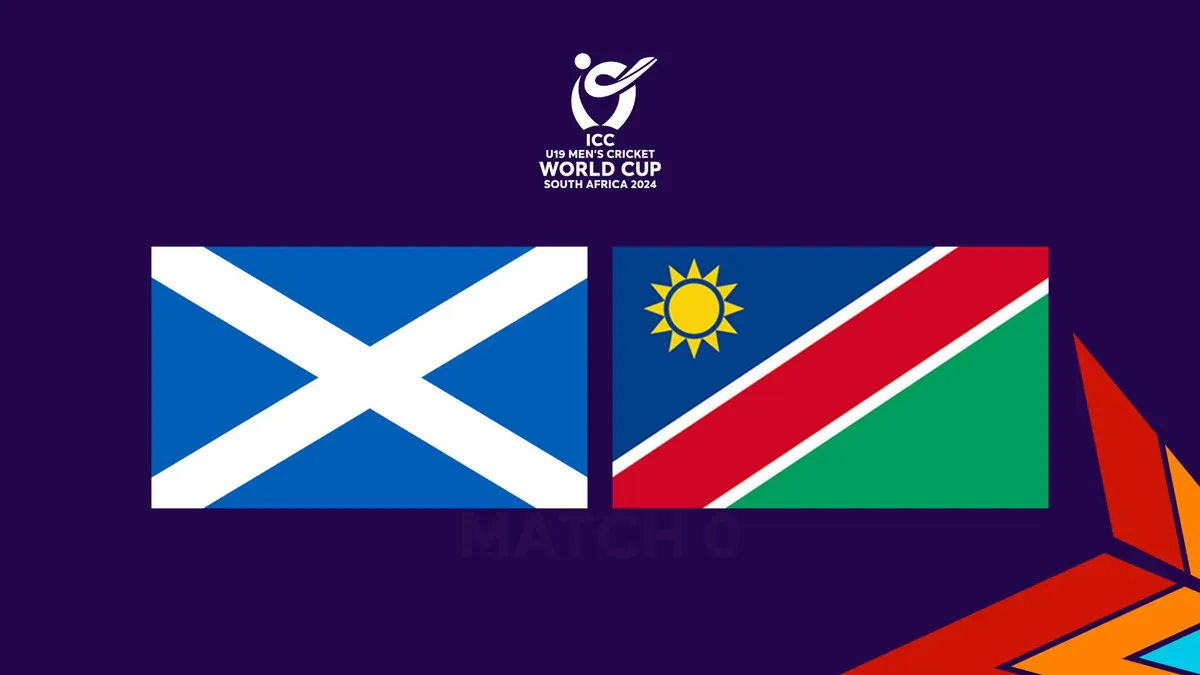
Windhoek was buzzing on April 17, 2026. Fans filled the Namibia Cricket Ground, anticipation thick in the air. Scotland had already taken the first match, but this second T20I felt different—Namibia was determined to fight back.
Namibia won the toss and chose to bowl. A bold move? Maybe. But they believed their bowling attack could stifle Scotland’s batting lineup. Yet, as Scotland stepped onto the field, they carried a quiet confidence—a sense of purpose that had been building since their last victory.
Scotland posted a total of 157 runs, with Jack Jarvis anchoring the innings at 32 not out. The pressure was on Namibia to respond, and they needed more than just hope.
When Namibia came out to bat, they were met with a fierce attack from Mackenzie Jones. He took four wickets for just 22 runs, dismantling their batting order piece by piece. It was a decisive moment—one that left Namibia scrambling for stability.
In the end, they managed only 138 runs, falling short by 19 runs. Gerhard Erasmus fought valiantly, scoring 47 runs, but it wasn’t enough.
This series marked a significant achievement for Scotland—they clinched it with a resounding 2-0 lead. Brandon McMullen emerged as the top run-scorer with 71 runs, proving his worth in this competitive environment.
The implications? For Scotland, this victory solidifies their position on the international stage. They’re not just participants; they’re contenders. Meanwhile, Namibia faces questions about their strategy moving forward. What adjustments will they make?
Experts highlight that while Scotland’s performance was commendable, Namibia has potential that remains untapped. The right tweaks could turn this narrative around in future encounters.
The third T20I is scheduled for April 18, 2026—a chance for Namibia to regroup and prove themselves once more. Will they rise to the occasion? Only time will tell.
For now, though, Scotland takes home the glory—and perhaps a newfound respect in international cricket circles.