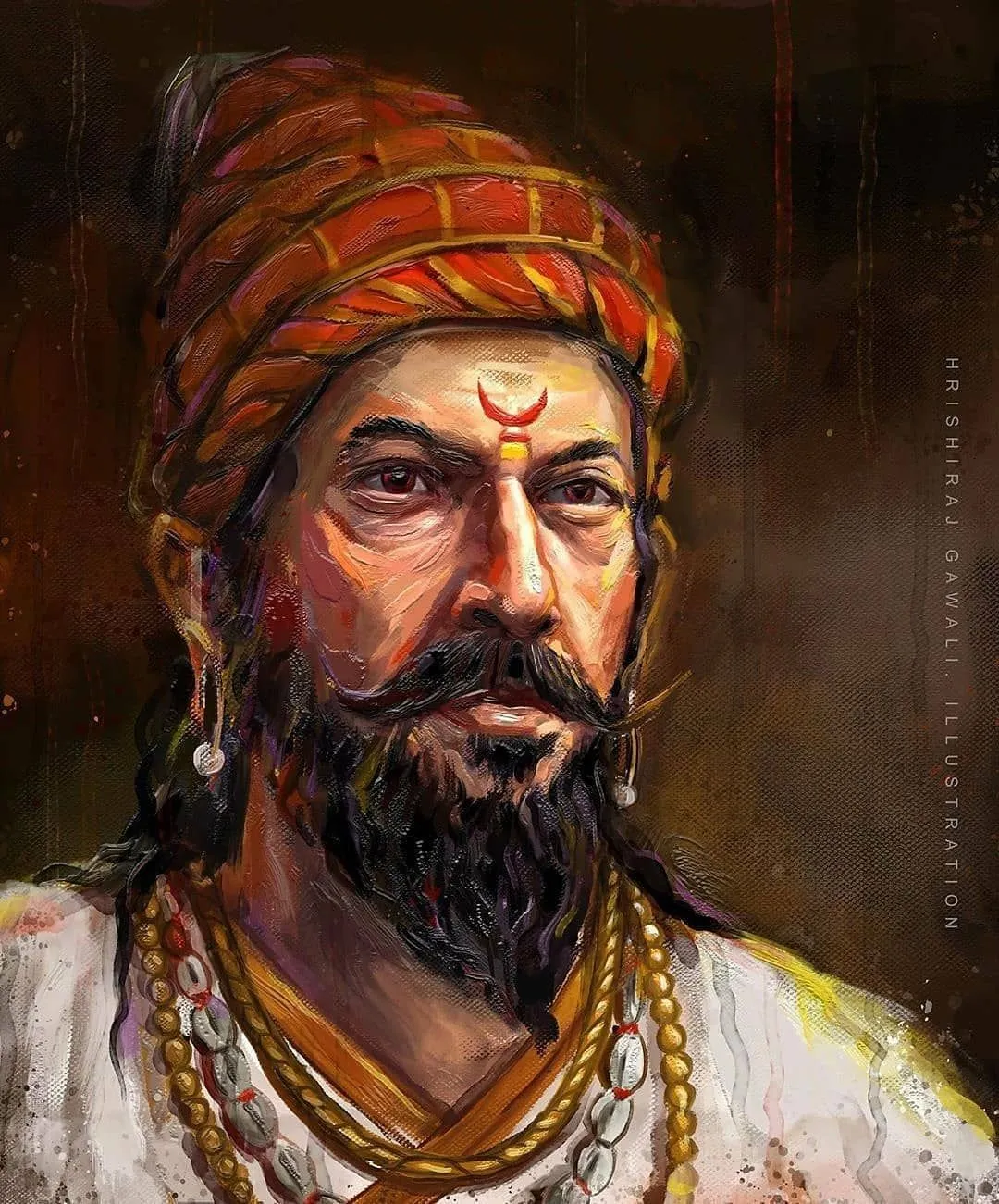
The upcoming film Raja Shivaji has ignited a legal storm just before its release, illuminating the complexities of historical representation in cinema. Directed by Riteish Deshmukh, the film chronicles the transformation of Shivaji Shahaji Bhonsle into the revered Chhatrapati Shivaji Maharaj, set against the backdrop of the mid-seventeenth century in what is now Maharashtra.
Legal challenges emerged when a petition claimed the title was derogatory. However, the Bombay High Court dismissed this concern, allowing the film to proceed. This incident underscores ongoing sensitivities surrounding historical narratives in Indian cinema.
Key details about the film:
- The runtime is an extensive 195 minutes.
- It features a blend of Marathi and Hindi dialogue.
- The screenplay is co-written by Deshmukh alongside Jaideep Yadav and Prajakt Deshmukh.
- Notable cast members include Vidya Balan as Adlishahi queen and a cameo by Salman Khan as Jeeva Mahala.
Shivaji’s primary adversary in this tale is Afzal Khan, representing the brutal realities of power struggles during this tumultuous era. The film emphasizes themes of Hindavi Swaraj—sovereignty for his land and people—while also portraying the violent tactics employed by his opponents. Critics have already begun to weigh in; one remarked that “Raja Shivaji is a studious, plodding affair.”
The narrative paints a vivid picture of conflict between the Maratha Empire and forces from the Mughal Empire and Deccan Sultanate. It’s a reminder of how history can be both revered and contested—especially when it comes to cinematic portrayals.
As audiences await its release, questions linger about how effectively it will navigate these sensitive historical waters. The film’s emphasis on Shivaji’s religious convictions and his iconic saffron flags might stir further debate regarding representation in historical dramas.