“The general character of the management of the bank is prejudicial to the interest of depositors as also the public interest,” stated the Reserve Bank of India (RBI) in a recent announcement that sent shockwaves through the financial community.
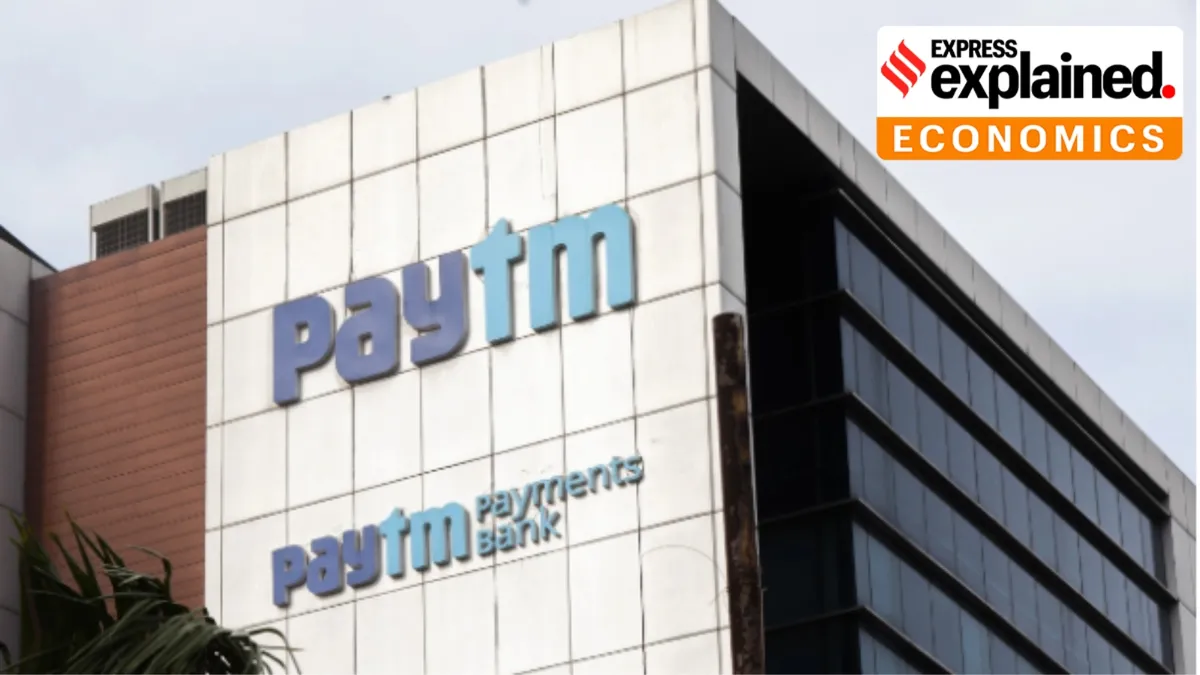
On April 24, 2026, the RBI cancelled the banking licence of Paytm Payments Bank Limited, effective immediately. This drastic measure followed years of regulatory scrutiny—since 2018—over multiple compliance failures and management practices deemed detrimental to both depositors and the public.
For those who have watched this story unfold, it’s been a long time coming. The bank had already faced significant restrictions, including a ban on accepting new deposits after February 29, 2024. A penalty of ₹5.39 crore imposed in October 2023 highlighted ongoing concerns about its adherence to KYC norms and other financial compliance issues.
The RBI’s decision wasn’t made lightly. They pointed to violations relating to know-your-customer (KYC) norms as a key issue—one that had been flagged repeatedly over the years. “The affairs of the bank were conducted in a manner detrimental to the interests of the bank and its depositors,” the RBI emphasized.
This isn’t just about numbers or regulations; it’s about trust. Vijay Shekhar Sharma, who holds a 51% stake in Paytm Payments Bank, along with One97 Communications owning the remaining 49%, now faces an uncertain future. The RBI will apply to the High Court for winding up operations, but what does that mean for customers? They’re left wondering if their deposits are safe.
As for Paytm Payments Bank, it was directed to stop onboarding new customers back in March 2022—an indicator of how serious these issues have been. Now, with its banking licence revoked, it’s prohibited from conducting any business at all.
What happens next? Officials have not confirmed a timeline for when customers can expect clarity on their funds or how the winding-up process will unfold. Still, one thing is clear: this marks a significant chapter in India’s digital banking landscape.