In recent days, Noida, one of Asia’s largest planned industrial townships, has witnessed escalating tensions as factory employees took to the streets demanding higher wages. The demonstration, which began peacefully, quickly turned violent, with protestors setting fire to vehicles and pelting stones in frustration over long-standing demands and allegations of exploitation.
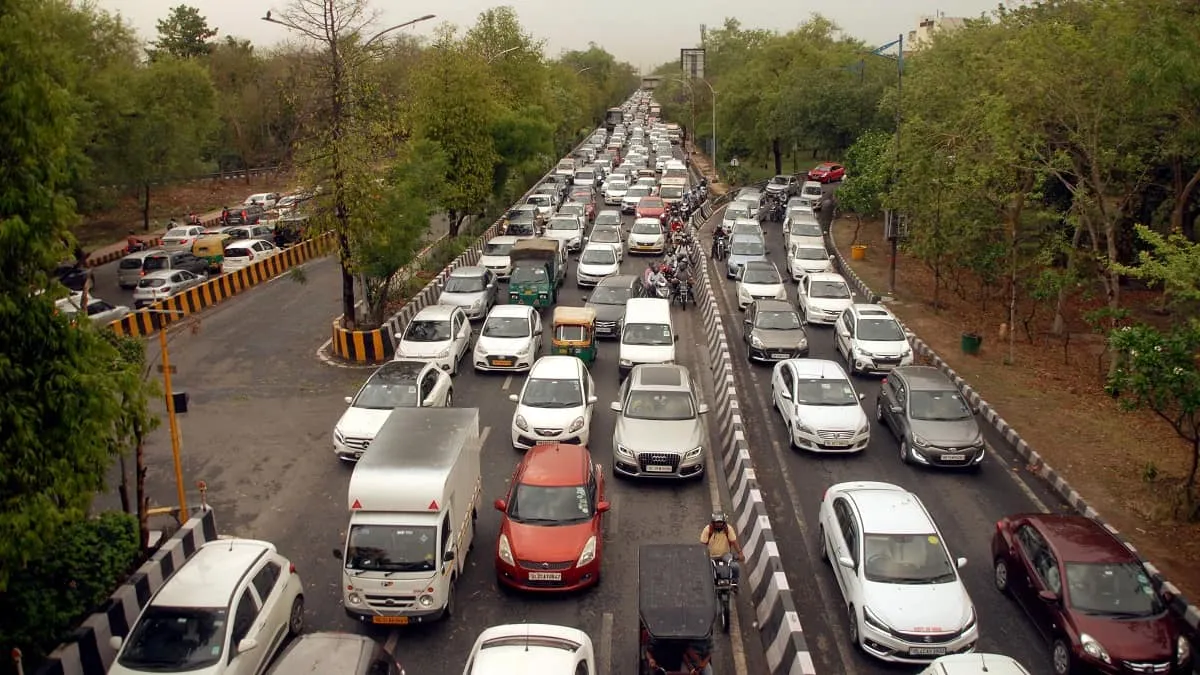
The unrest has persisted for four days, prompting police to intervene with tear gas to disperse the crowd. Commuters found themselves stuck in traffic jams for hours as the protestors marched through the streets, chanting slogans and calling for their rights.
Vinay Mahoti, a worker involved in the protest, articulated the frustrations of many, stating, “Duty hours should be fixed, overtime hours should be paid, and companies … should adhere to the guidelines laid by the federal government.” His words echoed the sentiments of countless workers who feel the strain of rising living costs, exacerbated by global events such as the US-Israel war on Iran, which has curtailed fuel supplies.
The backdrop of this unrest is significant; as living costs have surged worldwide, many workers in Noida are struggling to make ends meet. The protestors are not just seeking immediate financial relief but are also advocating for systemic changes to ensure fair treatment and compensation in their workplaces.
As the situation unfolds, local officials and observers are closely monitoring the developments. The hope is that dialogue can be established between the workers and their employers to address these pressing issues before further violence occurs. However, the tension in the air suggests that the path to resolution may be fraught with challenges.
With the protest gaining national attention, it remains to be seen how both the government and corporate entities will respond to the demands of the workers. The stakes are high, not just for those directly involved but for the broader community that relies on the stability of Noida’s industrial sector.