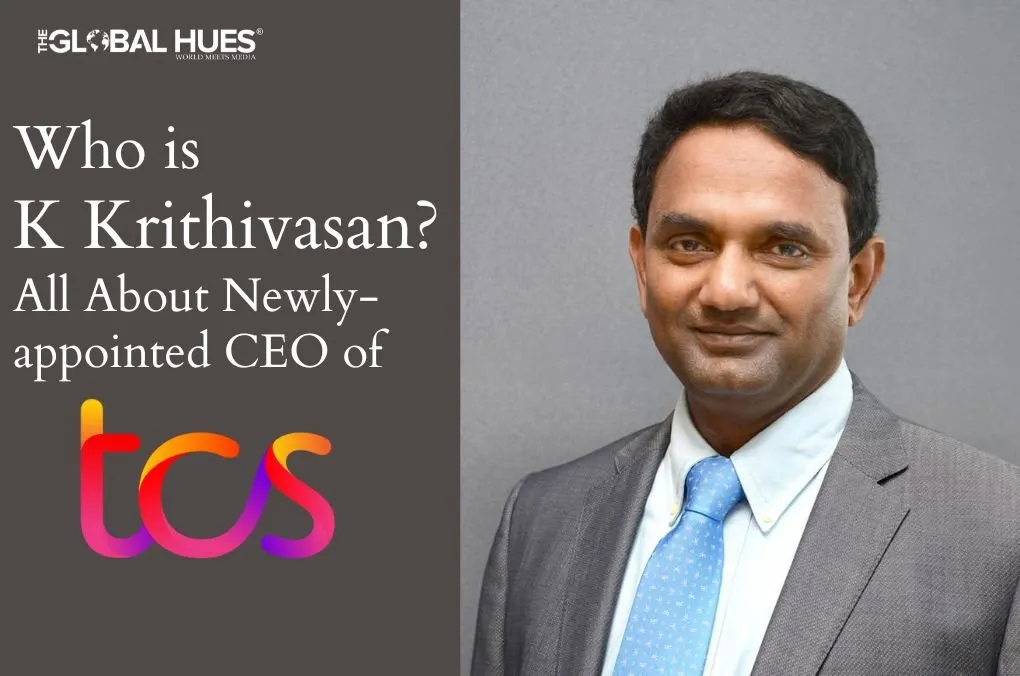
TCS CEO K Krithivasan has expressed confidence that the Indian IT services industry will not become obsolete by 2030, despite facing significant challenges. His remarks come in the wake of TCS reporting its first annual revenue decline since going public in 2004, with a decrease of 2.4% in FY26.
Despite this setback, TCS closed FY26 with a remarkable total contract value (TCV) of $40.7 billion, showcasing the company’s ongoing strength in securing substantial deals. “We have been writing its obituary every 10 years but I think Indian IT services have proven to be very resilient,” Krithivasan stated, highlighting the industry’s ability to adapt and thrive.
In a bid to bolster its workforce, TCS hired 44,000 trainees in FY26 and has made 25,000 offers for the next recruitment cycle. This focus on nurturing talent is crucial as the company shifts towards AI-led roles and services, a transition that Krithivasan acknowledges will require fewer traditional programmers.
Aarthi Subramanian, a key figure at TCS, noted that generative AI has opened up significant opportunities for modernizing legacy systems, particularly those that have been in place for decades. This modernization is essential for keeping pace with technological advancements and meeting client needs.
In a strategic move, TCS completed its largest acquisition in over a decade by purchasing Coastal Cloud for $700 million. This acquisition is expected to enhance TCS’s capabilities in the rapidly evolving tech landscape.
Looking ahead, TCS is preparing to launch its HyperVault data center, which is projected to go live in 2028 with a target capacity of 1 GW. The company has already established two memoranda of understanding (MoUs) regarding the data center and is in discussions for more partnerships.
Krithivasan remains optimistic about the future, stating, “Definitely, we are more optimistic. I think some of the headwinds are behind us. So, that’s the opportunity.” As the industry evolves, TCS is poised to adapt its workforce, requiring roles such as model trainers, context engineers, and agent developers to meet the demands of a changing technological environment.
As TCS navigates these changes, observers will be watching closely to see how the company continues to innovate and respond to the challenges of the IT landscape. The resilience of the Indian IT services sector remains a topic of interest as it strives to maintain its relevance in an increasingly competitive market.