As the Indian Meteorological Department (IMD) prepares for the 2026 monsoon, expectations have shifted dramatically. Previously, forecasts hinted at a near-normal monsoon, with rainfall projected at 96% of the long-period average (LPA) based on the patterns observed in 2023. However, recent updates reveal a stark contrast: the IMD now anticipates that rainfall will be below normal, estimated at just 92% of the LPA.
This decisive moment comes as the IMD, for the first time in 11 years, has issued a warning of below-normal southwest monsoon rainfall in its April forecast. The anticipated rainfall for this season is projected to be around 87 cm, significantly lower than the previous year’s expectations.
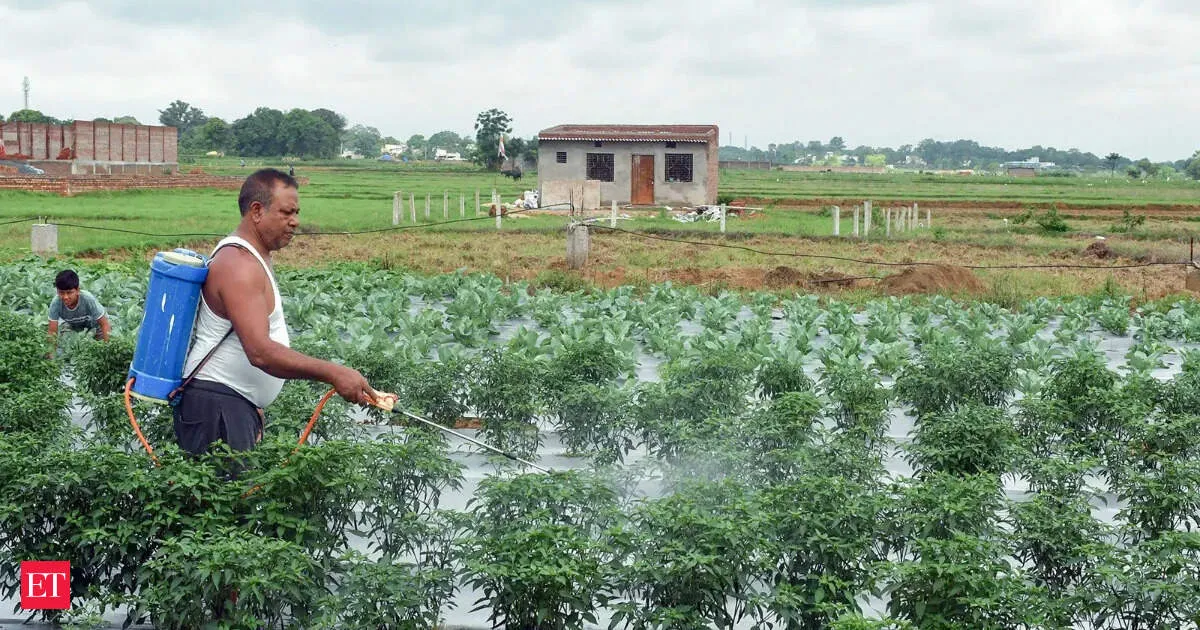
The implications of this forecast are profound, affecting farmers, water supply, and food security across India. With the looming possibility of reduced rainfall, farmers who rely heavily on the monsoon for irrigation may face challenges in crop production, potentially leading to food shortages and economic strain in rural areas.
Experts attribute this shift to climate signals, including the transition from La Niña to a possible El Niño, which can disrupt typical weather patterns. Such changes have historically led to unpredictable monsoon behavior, as seen in 2015 when the IMD’s warning of below-normal rain at 93% of the LPA resulted in actual rainfall plummeting to just 86%.
The last experience of reduced monsoon rainfall in 2023 serves as a reminder of the vulnerabilities within India’s agricultural framework. As the country braces for the upcoming monsoon, the stakes are high, with many looking to the skies for hope.
While the IMD’s forecast sheds light on the potential challenges ahead, it also raises questions about preparedness and adaptation strategies for the agricultural sector. Farmers and policymakers alike must consider how to mitigate the impacts of a less-than-ideal monsoon.
As the situation develops, details remain unconfirmed, and the full extent of the forecast’s impact will unfold in the coming months. The IMD’s projections serve as a crucial reminder of the ever-changing dynamics of climate and weather patterns, urging all stakeholders to remain vigilant.