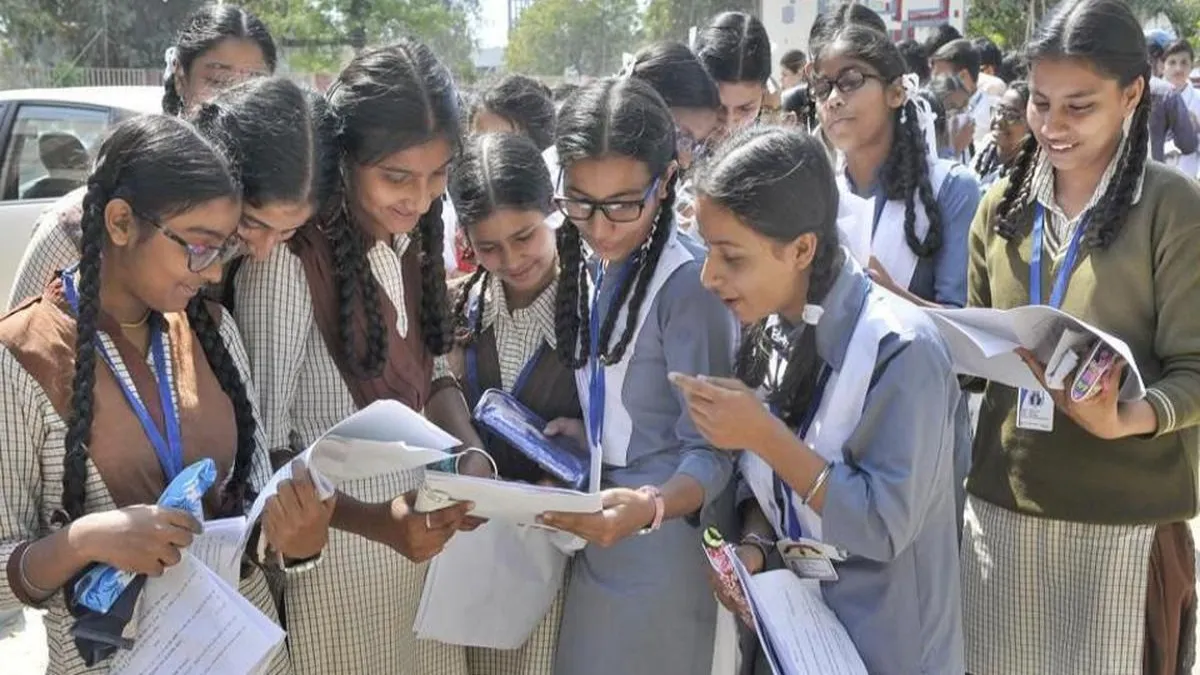
The sun blazed overhead, casting long shadows on the playgrounds as students filed out of classrooms, sweat beading on their brows. In North India, temperatures are expected to soar up to 45 degrees Celsius this season. It’s not just another hot summer; it’s a wake-up call.
Since 2022, the pattern of advancing summer holidays has been growing. Several states have declared early breaks, prioritizing student safety amid extreme heat. The Odisha government announced its summer vacation will start on April 27, while Chhattisgarh moved its holidays up to April 20.
Brian Seymour, an educator, remarked, “The weather has become unpredictable and is regularly changing.” His words echo a sentiment shared by many as schools scramble to adapt. In Uttar Pradesh, new timings from 7:30 am to 12:30 pm aim to shield children from the worst of the heat.
But it’s not just about shifting schedules. Delhi has initiated a ‘water bell’ program — a simple yet effective reminder for students to hydrate regularly during school hours. “Vacations are necessary for children as they need a mental break after a year-long study,” Seymour added, emphasizing the dual need for rest and safety.
Neha Sharma pointed out the challenges schools face: “They design elaborate curricula but often fail to manage them effectively in accordance with challenging weather conditions.” It’s a balancing act between education and well-being.
Nandita Sinha Roy believes that advancing summer vacations doesn’t disrupt academic calendars if planned well in advance. Still, officials have not confirmed whether this year’s changes will become standard practice moving forward.
As more states join the trend — at least ten have declared early holidays since last year — the conversation about heatwave safety and hydration practices becomes increasingly crucial. Observers are keenly watching how these adjustments unfold in real-time.
With climate patterns shifting, educators and parents alike hope these measures will safeguard students while also allowing them the necessary respite from their studies. The future of school schedules may hinge on how effectively these strategies are implemented.