As the sun rises on April 14, 2026, families across Kerala prepare to celebrate Vishu, the Malayalam New Year. Traditionally, this festival marks the first day of Medam, symbolizing new beginnings, prosperity, and hope for the year ahead. In a state where the vibrancy of culture intertwines with the rhythm of daily life, the anticipation of Vishu is palpable. However, the past few years have seen a shift in how this cherished festival is celebrated, especially in light of recent global events.
Before 2026, the celebrations of Vishu were often overshadowed by the challenges posed by the pandemic. Gatherings were limited, and the joy of sharing the Vishu Sadhya—a traditional feast served on a banana leaf—was replaced by smaller, more intimate meals. The Vishukkani, an arrangement of auspicious items including gold, rice, flowers, and sacred texts, was still prepared, but the communal aspect of the festival felt diminished. Families yearned for the days when they could come together without hesitation, sharing laughter and blessings.
This year, however, marks a decisive moment of change. With the gradual return to normalcy, the spirit of Vishu is rekindled. Families are once again embracing the tradition of gathering at dawn to view the Vishukkani, a sight that is said to bring good fortune. The Kanikonna flowers, which bloom around this time, hold special significance, symbolizing prosperity and new beginnings. As the sun rises, the vibrant yellow of the flowers brightens the homes, echoing the hopes of the people.
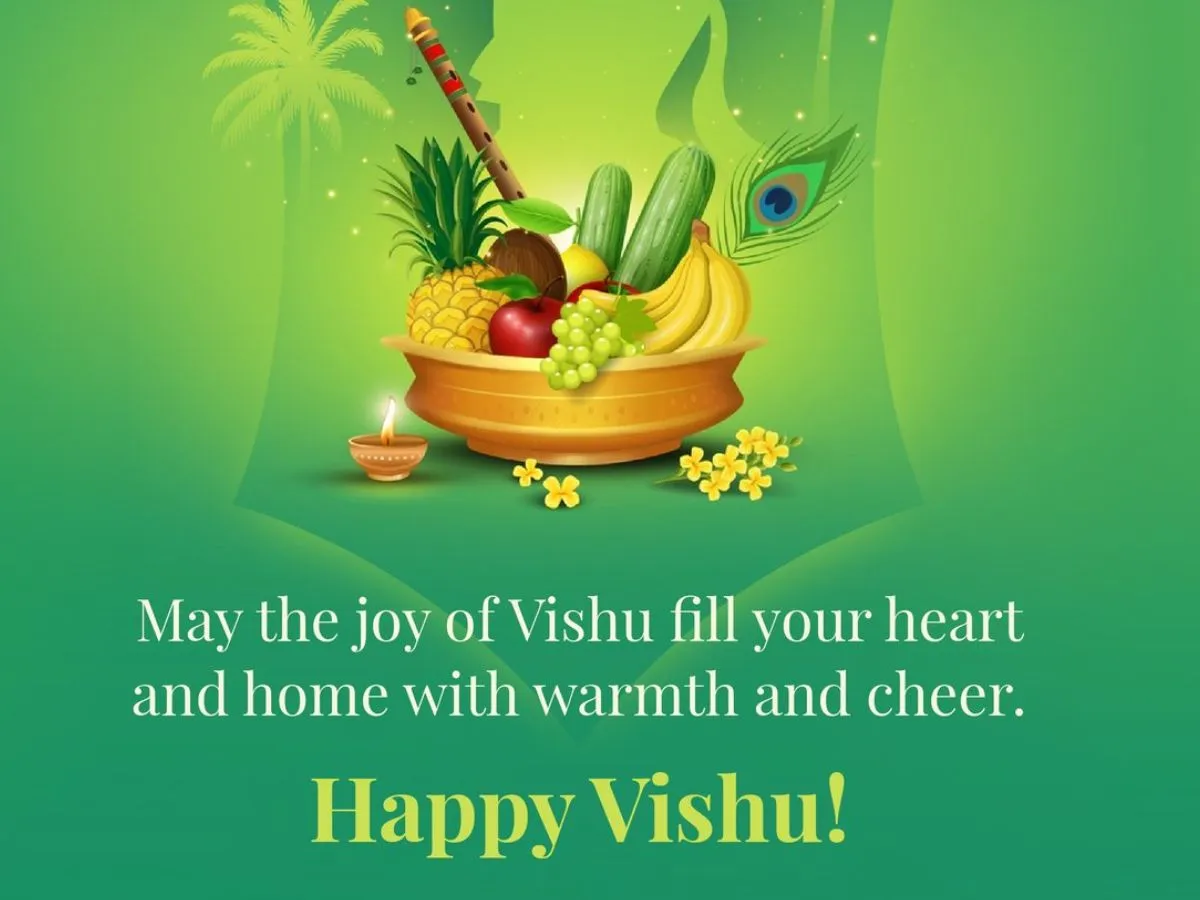
The effects of this revival are evident. Markets are bustling with activity as families purchase the ingredients for the Vishu Sadhya, which typically includes a variety of dishes served on banana leaves. The joy of preparing and sharing this feast is a testament to the resilience of tradition. “Happy Vishu! May your year ahead be as bright and golden as the Kanikonna flowers,” is a common greeting exchanged, encapsulating the optimism that permeates the air.
Experts emphasize the importance of cultural celebrations in fostering community spirit and resilience. “Vishu teaches us one of life’s most quietly profound lessons — that what we choose to look at first in the morning shapes the entire day that follows,” reflects a local cultural historian. This sentiment resonates deeply as families gather, not just to celebrate the new year but to reaffirm their bonds and shared experiences.
The real essence of Vishu, as many believe, transcends the material aspects of the festival. “The real Vishu Kani is not the gold coins or the rice or the mirror — it is waking up to the faces of the people you love most and knowing that this, right here, is abundance,” shares a community elder. This perspective highlights the emotional richness that accompanies the festival, reminding everyone that true wealth lies in relationships and shared moments.
As Vishu 2026 unfolds, the festival stands as a beacon of hope and renewal. The celebrations serve not only as a reminder of the resilience of the people of Kerala but also as a testament to the enduring power of tradition. Families are once again coming together, embracing the joy of the season, and looking forward to a year filled with blessings and prosperity. In a world that has faced so much uncertainty, the vibrant celebrations of Vishu offer a much-needed respite and a chance to start anew.