Oceania Confederation Declares Support
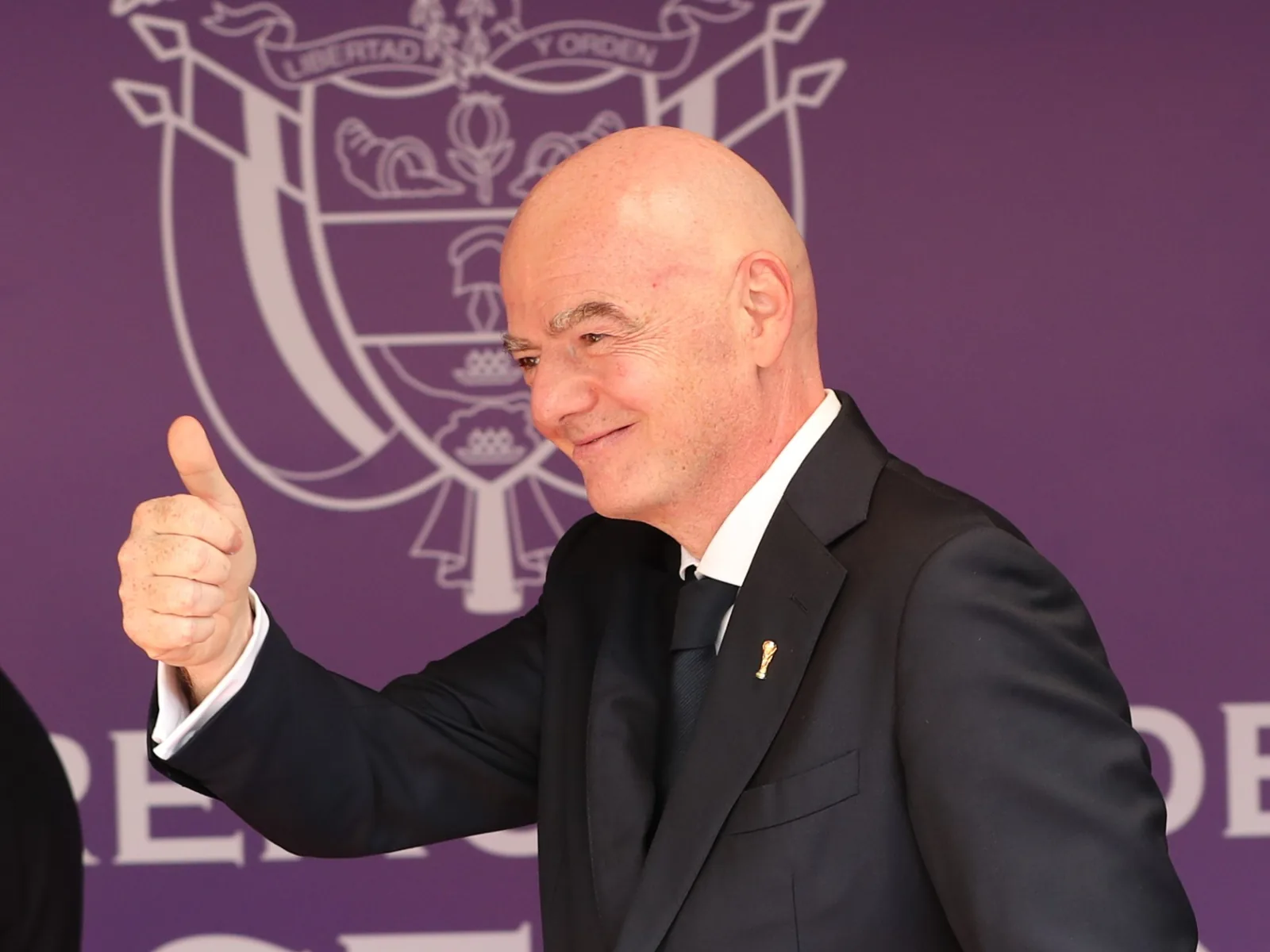
The Oceania Football Confederation (OFC) has publicly declared its support for Gianni Infantino, the FIFA president. This announcement follows demands from Uefa, Concacaf, and the Asian Football Confederation for Infantino’s resignation. The OFC’s decision was made after a meeting of its executive committee in Fiji on Wednesday, with a statement released on Friday. The confederation praised the progress achieved by FIFA over the last decade.
The OFC’s stance completes a symbolic division within world football, as the Confederation of African Football and South America’s Conmebol have also backed Infantino. The OFC is the smallest confederation in world football, comprising 11 full members. These votes could be significant as Infantino faces a leadership challenge for the first time in a decade at next year’s presidential election. The OFC’s support highlights continued backing for Infantino among smaller nations, including American Samoa and the Cook Islands.
The OFC executive committee welcomed FIFA’s decision to withdraw the FIFA Forward Enterprise (FFE) proposal and its commitment to review the issues surrounding the project. The confederation acknowledged the progress in football development in Oceania under FIFA’s leadership and encouraged FIFA to use the review to identify and implement necessary changes.
New Zealand Breaks Ranks
In a notable division, New Zealand, the OFC’s largest member and the only nation from the confederation to qualify for this summer’s World Cup, has withdrawn its backing for Infantino. New Zealand Football (NZF) has called for an independent review of the FIFA Forward Enterprise plan, a demand also made by the three confederations seeking Infantino’s resignation.
NZF stated that after careful consideration, it believes decisions and actions within FIFA have led to a breakdown in trust and increased division in international football. The federation emphasized that an independent review is essential to restore confidence and trust. NZF views this moment as an opportunity for all FIFA member associations to advocate for stronger governance, accountability, and transparency, which are fundamental to maintaining confidence in the administration of global football.
Andrew Pragnell, the chief executive of NZF, explained that the decision to withdraw support was based on the federation’s values. He stressed the importance of transparency for the global football community and highlighted New Zealand’s tradition of leading with its values. Pragnell also expressed concern for the hard-working professionals within FIFA during this challenging period, noting that while there have been positives, the FFE proposal should not have emerged in the manner it did.
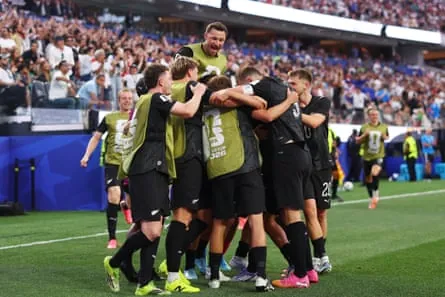
New Zealand’s decision aligns with several individual member nations, including England, Wales, Norway, the Republic of Ireland, and Northern Ireland, who have also confirmed they will not support Infantino’s re-election bid. Meanwhile, other OFC members like New Caledonia have reaffirmed their support for Infantino. The NZF chief executive further explained that an independent review is crucial to avoid an internal “washover” and to help restore trust, echoing calls from other confederations.
Despite opposition from Uefa, the Asian Football Confederation, and Concacaf, which represent 136 of the 211 member associations voting in the FIFA presidential election in March, Infantino retains significant allies. Six heads of Arab national football associations, including Qatar and Morocco, have publicly backed him. The Confederation of African Football’s executive committee has also unanimously confirmed its support for Infantino.
The proposed FFE plan involved selling 20% of the World Cup’s commercial rights to private investors to raise approximately $4.2bn, a plan Infantino later withdrew. The proposal also included a $20m grant for member associations for the next funding cycle, which could have been doubled if they signed the deal. Following a crisis meeting in Morocco last week, FIFA apologized to its 211 member associations for errors in handling the proposal.
Pragnell emphasized that an independent review into the scrapped FFE proposal needs to clarify decision-making and oversight within FIFA. He also suggested the review should identify those involved in the plan for Thrive Capital to play a leading role in the venture. Pragnell indicated that the scope of the review should be carefully considered and agreed upon by all confederations, with an urgent commencement.
Australia, an AFC member, has also called for an independent review alongside the Asian bloc, though it has not publicly stated a position on Infantino’s leadership. Pragnell noted a strong alignment with Australia’s commitment to the AFC statement. The OFC delayed releasing its statement until two days after its executive committee meeting.
Source: theguardian.com