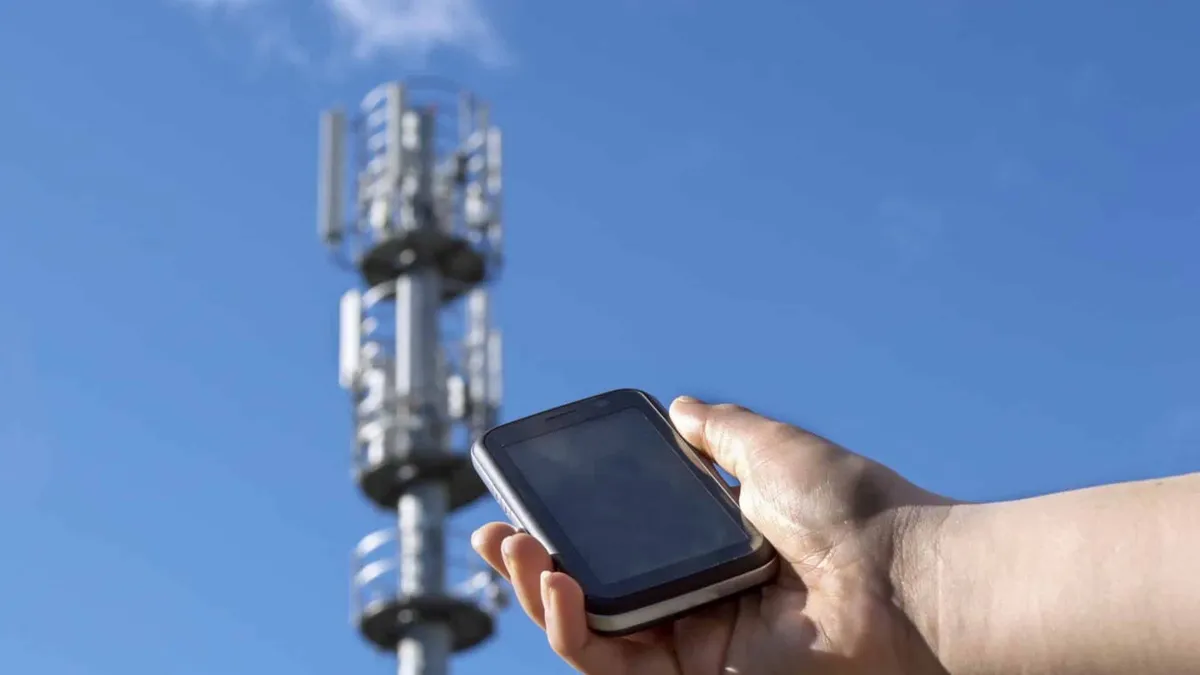
On May 2, 2026, India will conduct a nationwide test of the Cell Broadcast Alert System, aiming to send emergency alerts directly to mobile phones across the country. This initiative, led by the National Disaster Management Authority (NDMA), marks a pivotal moment in enhancing public safety and disaster management capabilities.
The test will encompass mobile phone users in Delhi NCR and all state and Union Territory capitals. During the one-hour window from 11:15 am to 12:15 pm, residents can expect a loud siren-like sound or vibration—regardless of whether their phones are set to silent mode. The goal? To evaluate how well the system performs under real-world conditions.
Key features of the Cell Broadcast Alert System:
- The system allows authorities to send messages to all compatible devices within a specific geographic area without needing individual phone numbers.
- Messages are delivered instantly and remain unaffected by network congestion, ensuring timely communication during emergencies.
- This test will assess system performance, device compatibility, and multilingual delivery across various telecom networks.
Citizens are advised not to panic upon receiving these test messages. The alert will clearly state that it is a test—no action is required from the public. However, states involved in upcoming elections or those sharing borders with neighboring countries will be exempt from this exercise.
The push for this advanced communication technology aligns with India’s broader efforts to improve real-time disaster response strategies. As climate change increases the frequency of natural disasters, effective communication becomes essential. This test represents a critical step toward building a robust emergency alert framework.
Officials from the Andhra Pradesh State Disaster Management Authority emphasized that this is purely a technical exercise aimed at enhancing system effectiveness. “No action is required from the public after receiving the alert,” they stated. With this initiative, India hopes to ensure that its citizens are better prepared for potential emergencies in the future.