Introduction
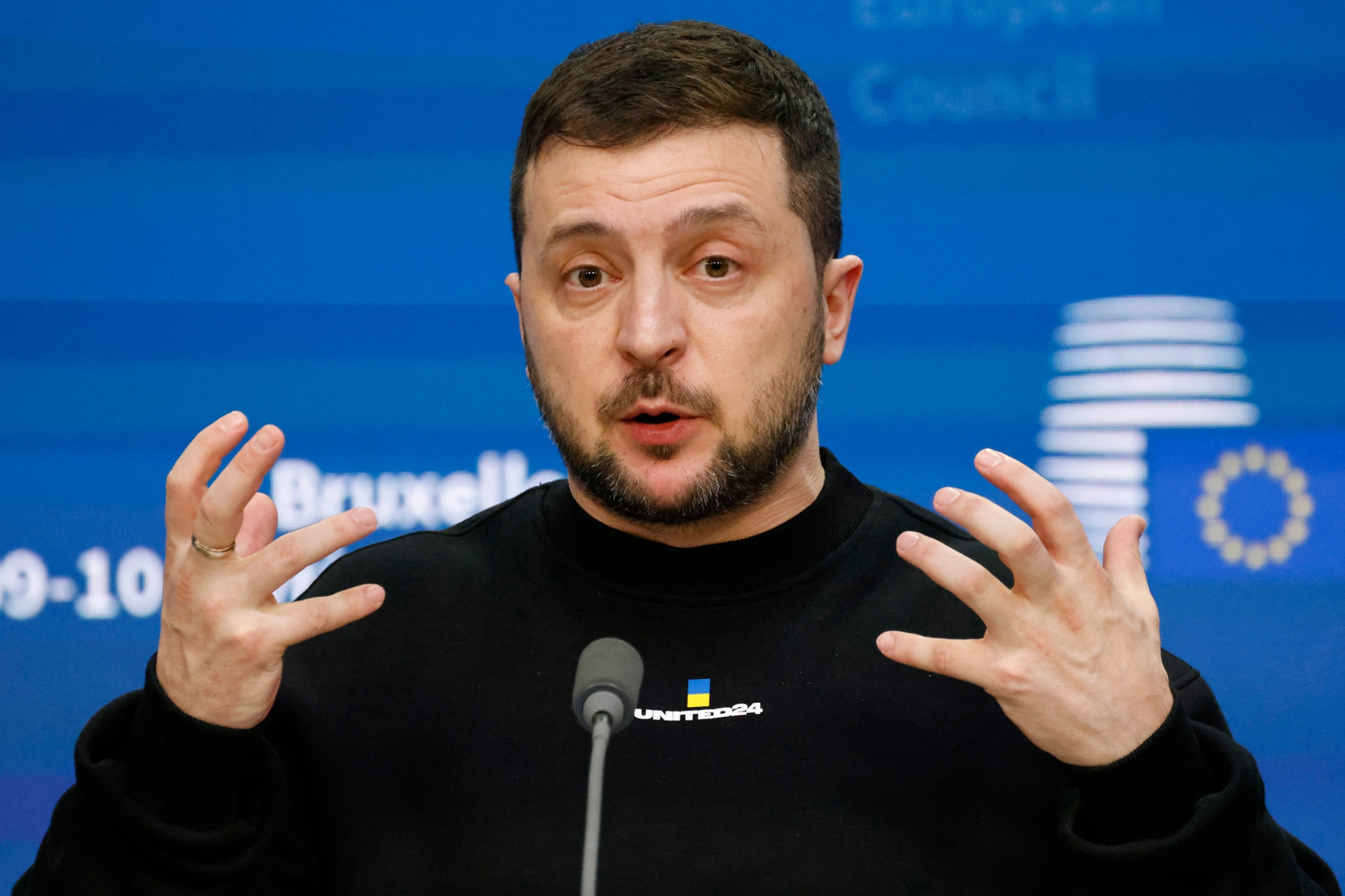
Volodymyr Zelensky, the President of Ukraine, has emerged as a formidable figure on the global stage, especially in light of the ongoing conflict with Russia. His leadership is pivotal not only for Ukraine’s sovereignty but also in shaping international relations as the world grapples with issues of security and democracy. Understanding Zelensky’s role is crucial to comprehend the current geopolitical landscape.
Zelensky’s Rise to Power
Zelensky, a former actor and comedian, took office in May 2019, promising to combat corruption and bring a fresh perspective to Ukrainian politics. His unexpected rise, largely fueled by a populist wave and a desire for change, has been integral in re-energising the Ukrainian populace. However, his presidency took a dramatic turn with the onset of the full-scale Russian invasion in February 2022.
Leadership During Crisis
Since the invasion, Zelensky has demonstrated remarkable leadership qualities. He has remained in Ukraine, working tirelessly to rally both national and international support. His stirring speeches and media presence have garnered worldwide attention, increasingly making him a symbol of resistance. In March 2022, Zelensky addressed the US Congress, urging for more military support, which was met with bipartisan approval and a pledge for additional aid.
Zelensky’s ability to maintain morale amid adversity has been critical. By fostering unity among Ukrainians and appealing to global leaders, he has successfully mobilised substantial military and humanitarian assistance. According to the Ukrainian government, international aid has reached over $100 billion since the war began, underscoring Zelensky’s influence and strategic diplomacy.
International Relations
Zelensky’s presidency has also marked a shift in international relations, highlighting the importance of democracy in global governance. His calls for stronger NATO support and a united front against authoritarianism resonate deeply as nations reflect on their foreign policies. The Ukrainian leader has become a prominent advocate for European integration and has emphasized Ukraine’s role in promoting peace and stability within Europe.
Conclusion
President Zelensky’s tenure is a testament to resilience, adaptability, and strong leadership in the face of overwhelming challenges. As the conflict continues, his impact on both domestic and international politics is likely to endure, reshaping not only Ukraine’s future but also the global order. Observers anticipate that Zelensky’s ability to navigate these turbulent times will define his legacy and influence the course of Ukrainian history for generations to come.