What does the current geopolitical landscape mean for the US presidency and global markets? As tensions rise, particularly in the Middle East, the answer is becoming increasingly clear: uncertainty reigns.
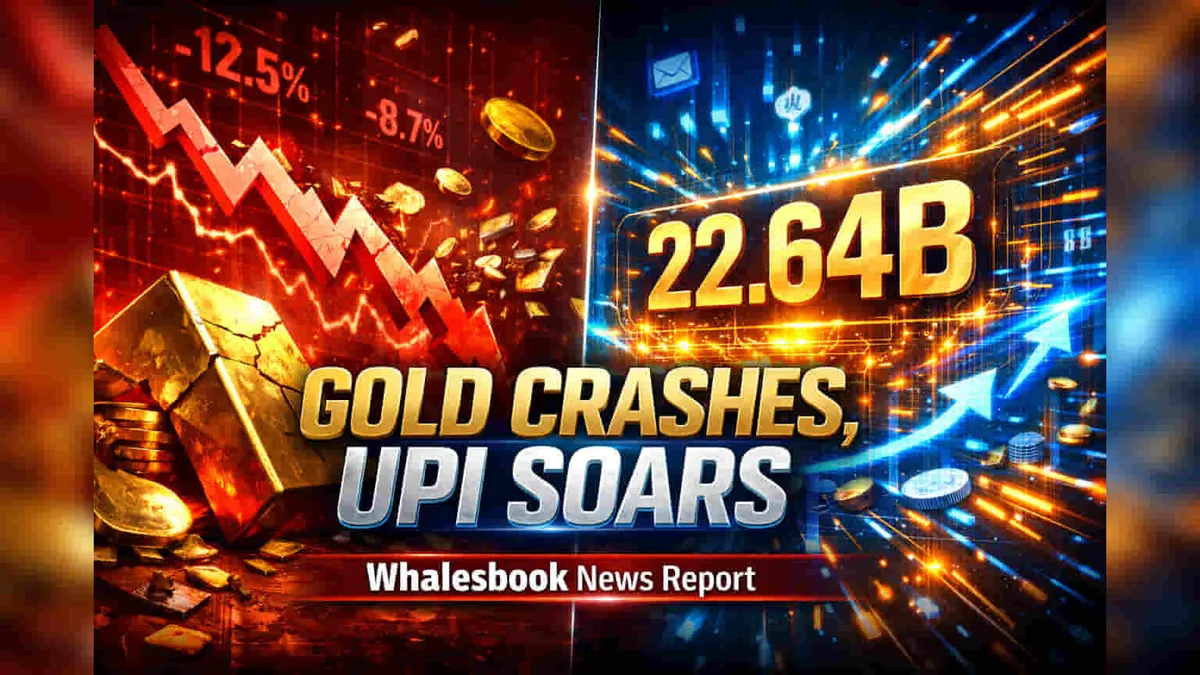
Recent events have led to a notable 2.21% drop in COMEX gold prices, now sitting at $4,677 per ounce. This decline is attributed to heightened global tensions, with former President Donald Trump’s stance on the conflict between Iran and Israel contributing to market unease.
Wall Street futures have also taken a hit, reflecting a broader trend of market volatility. As investors seek safe-haven assets, the US dollar index (DXY) has shown an increase, signaling a shift in investment strategies.
Meanwhile, India’s digital economy continues to thrive despite these global fluctuations. In March 2026, the country recorded an impressive 22.64 billion transactions through its Unified Payments Interface (UPI), with a total transaction value of ₹29.53 lakh crore. This marks the highest monthly transaction number and value since UPI’s inception.
However, not all sectors are faring well. Startup funding in India has decreased by 56% year-on-year as of March 2026, indicating significant challenges in the entrepreneurial landscape.
The Indian government has also tightened rules for gold jewelry imports from ASEAN countries, a move that could further influence market dynamics.
As geopolitical tensions persist, the impact on market stability remains unclear. Investors and analysts alike are left grappling with the potential for continued volatility.
Details remain unconfirmed regarding the long-term effects of these tensions on the digital payment sector in India, leaving many to wonder what the future holds.
As the situation evolves, the interplay between the US presidency and global markets will undoubtedly remain a focal point for observers and investors alike.