Introduction
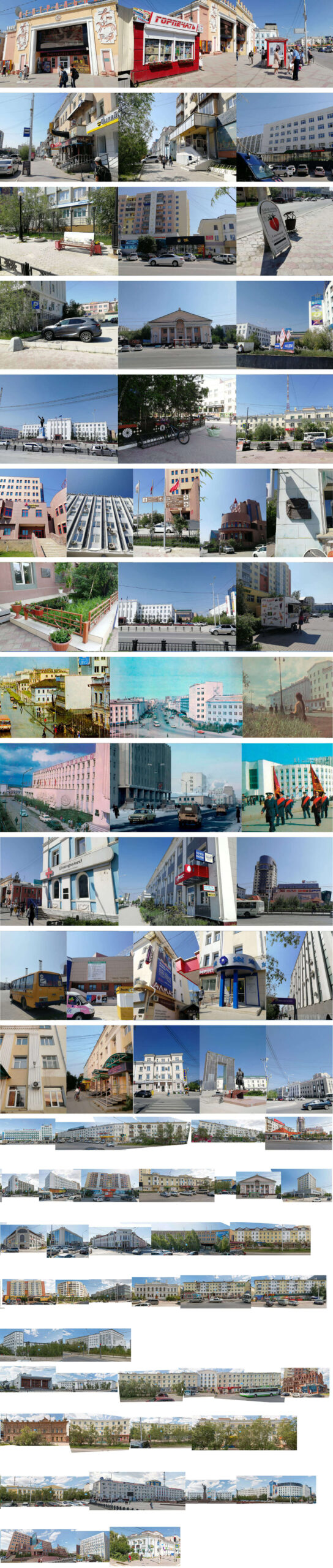
Yakutsk, the capital of the Sakha Republic in Russia, holds the title of the coldest city on Earth, with winter temperatures often plunging below -40°C. This extreme weather has shaped the lifestyle, economy, and culture of its inhabitants, making it a unique city worth exploring. As climate discussions grow globally, Yakutsk serves as a crucial example of how communities adapt to severe environmental challenges.
The Climate and Its Impact
The climate of Yakutsk is one of its most defining features, with the region experiencing a subarctic climate. Winters are notoriously harsh, lasting for over six months and characterised by relentless cold and heavy snowfall. Despite these conditions, the population of approximately 300,000 people displays resilience and ingenuity, adapting their daily lives to the environment. Buildings in Yakutsk are constructed on stilts to prevent the permafrost from damaging their foundations, and many locals have fashioned lifestyles that embrace winter sports and activities.
Economic Activities
Yakutsk’s economy is primarily based on the extraction of natural resources, including diamonds and gold. The city is surrounded by vast deposits that contribute significantly to Russia’s economy. Furthermore, Yakutsk is part of the larger Arctic economy, which is seeing increased interest due to climate change and emerging opportunities for shipping routes. The development in the region is drawing investments, with technology and infrastructure also evolving to keep pace with these challenges.
Cultural Heritage
Despite its challenges, Yakutsk is rich in cultural heritage. The city is home to several museums, including the Museum of Mammoth, which showcases the unique fauna of the region, and the Sakha National Museum, representing the indigenous culture of the Sakha people. Festivals throughout the year celebrate local traditions, and such cultural expressions provide insight into the resilience and spirit of the Yakutsk population.
Conclusion
Yakutsk stands as a testament to human resilience in the face of extreme environmental conditions. The city’s unique lifestyle, rich cultural heritage, and resource-driven economy provide a fascinating glimpse into how communities can thrive despite adversity. As the world debates solutions to climate change, Yakutsk serves as a prominent example of adaptation and resilience, reminding us of the indomitable spirit of communities worldwide. Observing Yakutsk may offer valuable lessons on sustainability and adaptation for others living in the face of climate challenges.