Introduction to Yakutsk
Yakutsk, the capital of the Sakha Republic in Russia, holds the title of the coldest city on Earth. With winter temperatures often plummeting below -30°C, this unique city offers not only extreme weather but also a rich culture and history. The significance of Yakutsk lies in its resilience and adaptability to one of the harshest climates on the planet, drawing interest from scientists, adventurers, and tourists alike.
Climate and Its Impacts
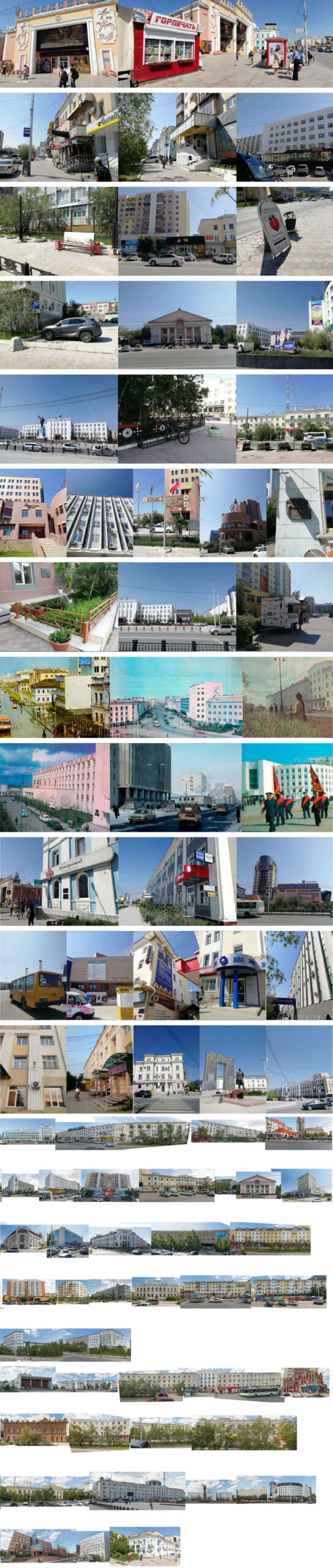
Yakutsk experiences a subarctic climate with a record low of -64.4°C recorded in 1933. The long and frigid winters influence every aspect of life here. The city’s architecture is specifically designed to withstand the extreme cold, with buildings elevated on piles to prevent the permafrost from thawing. One of the fascinating aspects of the Yakutian lifestyle is the way the community adapts to these brutal temperatures, from traditional clothing to special construction techniques.
Cultural Significance
Yakutsk is not just about its icy environment; it boasts a vibrant cultural heritage. The city is home to the Sakha people, indigenous to the region, whose customs and traditions significantly shape its cultural landscape. The annual Ysyakh festival, celebrating the summer solstice, attracts numerous visitors and showcases traditional music, dance, and culinary delights. Additionally, Yakutsk houses the Mammoth Museum, which holds a vast collection of ice age artifacts, making it a significant archaeological site.
Urban Development and Tourism
In recent years, Yakutsk has been striving to boost its tourism sector. The development of infrastructure and eco-tourism initiatives aim to highlight the city’s natural beauty and cultural offerings. As air travel becomes more accessible, tourist numbers have gradually increased, with many seeking to experience life in one of the world’s most extreme environments. Local authorities are planning to enhance their marketing strategies to promote Yakutsk as a destination for adventure tourism, wildlife viewing, and a unique cultural experience.
Conclusion
As climate change continues to challenge urban areas around the globe, the story of Yakutsk exemplifies human resilience and adaptability in the face of extreme conditions. The city not only represents the brutal realities of life in the cold but also serves as a beacon of cultural richness and potential for growth. Residents embrace their environment, while tourists are drawn to the remarkable experiences this cold city has to offer. Yakutsk stands not only as the coldest city on Earth but also as a testament to survival, culture, and adaptability.