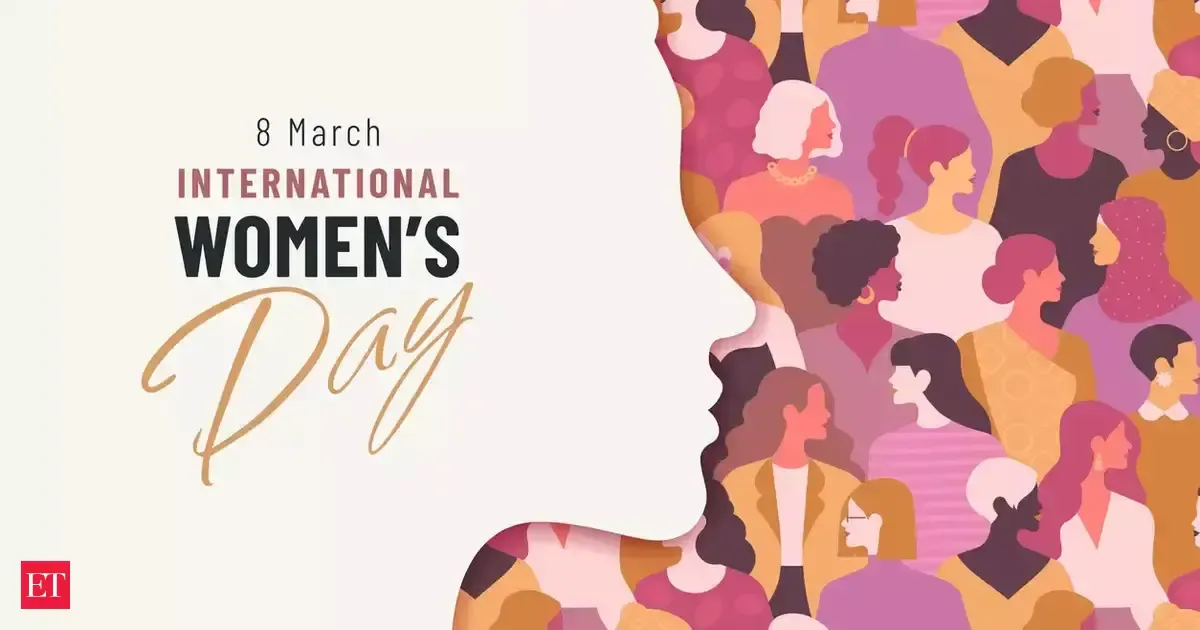
Historical Context of International Women’s Day
International Women’s Day, observed on March 8, has its roots in the labor movements of North America and Europe during the early twentieth century. Officially recognized by the United Nations in 1977, it has evolved into a global celebration of women’s achievements and a call to action for gender equality. Over the years, the day has served as a platform to highlight the struggles women face and the progress made towards achieving equal rights.
Changing Expectations Leading to 2026
As we approach International Women’s Day 2026, the expectations surrounding women’s rights and gender equality have shifted significantly. The theme for 2026, “Rights. Justice. Action For ALL Women and Girls,” reflects a growing recognition of the need for comprehensive action to address the diverse challenges women face globally. This year also introduces the global campaign theme “Give to Gain,” emphasizing the importance of mutual support and collaboration in advancing women’s rights.
Decisive Changes and Immediate Facts
India’s approach to women’s empowerment has undergone a notable transformation, recognizing women as vital drivers of economic and social progress. As of January 2026, women constitute over 53% of UGC NET-JRF scholars in STEM subjects for the fiscal year 2024-25, a significant increase from previous years. Furthermore, the Female Gross Enrolment Ratio (GER) in education has risen from 22.9% in 2014-15 to 30.2% in 2022-23, showcasing a commitment to improving educational access for women.
Direct Effects on Women and Society
The direct effects of these advancements are evident in various sectors. Under the Pradhan Mantri Matru Vandana Yojana, over ₹20,060 crore has been transferred to 4.26 crore beneficiaries, providing financial support to mothers. Additionally, more than 10.56 crore LPG connections have been provided to women through the Pradhan Mantri Ujjwala Yojana, improving their quality of life and reducing health risks associated with traditional cooking methods. These initiatives not only empower women but also contribute to broader societal progress.
Expert Perspectives on the Shift
Experts emphasize the importance of these developments in the context of India’s constitutional guarantees for women’s rights. The Constitution of India ensures equality and universal adult franchise for women, laying the groundwork for ongoing advocacy and reform. As of January 2026, nearly half of all elected representatives in Panchayati Raj Institutions are women, reflecting a significant shift towards inclusive governance. This representation is crucial for addressing the unique challenges faced by women at the grassroots level.
Challenges and Ongoing Efforts
Despite these positive changes, challenges remain. As of January 2026, a total of 2,153 child marriages have been prevented in India, highlighting the ongoing fight against practices that hinder women’s rights. Furthermore, the Maternal Mortality Ratio has improved from 130 in 2014-16 to 88 in 2021-23, yet continued efforts are necessary to ensure the health and safety of women during childbirth. The construction of 12 crore toilets under the Swachh Bharat Mission and the achievement of 81.57% rural tap water coverage as of January 2026 are also critical steps in supporting women’s health and dignity.
Looking Ahead to International Women’s Day 2026
As International Women’s Day 2026 approaches, the focus on women’s rights and gender equality is more critical than ever. The historical significance of this day, combined with the current advancements and ongoing challenges, sets the stage for a renewed commitment to action. The collective efforts of governments, organizations, and individuals will be essential in ensuring that the rights and needs of all women and girls are met, paving the way for a more equitable future.