Introduction
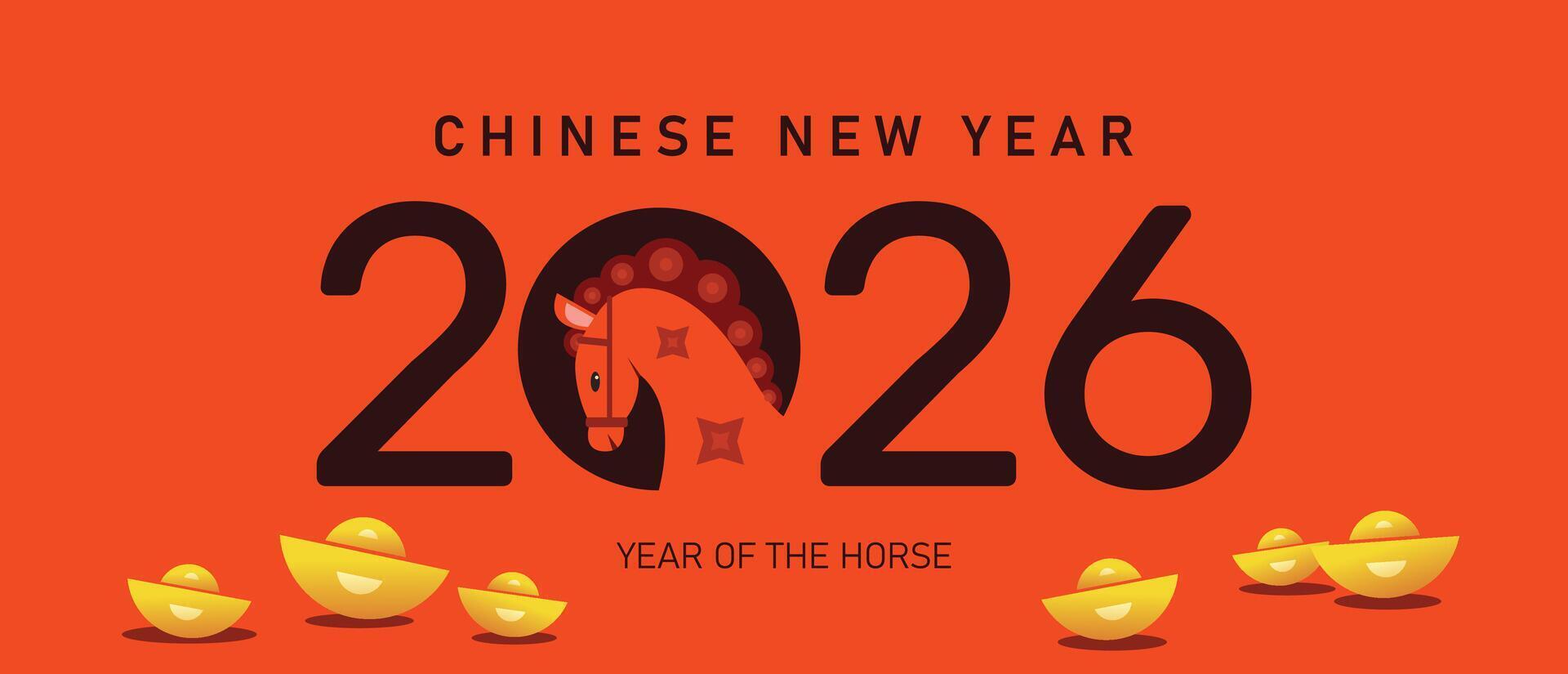
Chinese New Year, also known as Lunar New Year, is one of the most significant festivals celebrated worldwide, particularly in China and among Chinese communities around the globe. In 2026, the festivities will welcome the Year of the Dragon, which holds great importance in Chinese culture, symbolising strength, good fortune, and auspicious beginnings. Understanding the upcoming celebrations offers insight into the rich traditions and practices that define this festive period.
When is Chinese New Year 2026?
Chinese New Year in 2026 will be celebrated on February 17th. The festival lasts for 15 days, culminating in the Lantern Festival, a vibrant conclusion to the New Year celebrations. The date varies each year, as it follows the lunar calendar, which means it can fall between January 21 and February 20.
Traditions and Celebrations
The lead-up to Chinese New Year is filled with preparations that begin weeks in advance. People engage in thorough cleaning of their homes to sweep away bad fortune and make way for incoming luck. Decorations in red and gold are commonly seen, as red represents good luck and fortune, while gold signifies wealth.
Family reunions are central to the celebrations, with many travelling great distances to share a meal together. The reunion dinner on New Year’s Eve is particularly significant, and dishes such as dumplings, fish, and spring rolls are traditionally served for their symbolic meanings of prosperity and togetherness. Additionally, it is customary to give red envelopes, known as ‘hongbao’, filled with money to children and unmarried adults, signifying good wishes for wealth and prosperity in the coming year.
Events in 2026
Various cities worldwide will host grand parades featuring lion dances, dragon dances, and fireworks as part of their Chinese New Year celebrations. Notably, cities like London, Sydney, and San Francisco are known for their spectacular festivities. In 2026, the anticipated events are expected to incorporate elements that celebrate the Year of the Dragon, possibly featuring elaborate dragon floats and themed performances that highlight this majestic creature’s significance in Chinese folklore.
Conclusion
As the world prepares for Chinese New Year 2026, the significance of this occasion cannot be understated. It serves not only as a time for family reunions and celebration but also as a reminder of the values of renewal, hope, and community. As traditions evolve and adapt, the core essence of the festival remains a vital part of cultural identity for many. Whether attending local festivities or observing traditions at home, celebrating Chinese New Year offers an opportunity to acknowledge heritage, foster connections, and look forward to a prosperous year ahead.