Dense Fog in Meerut
A thick layer of dense fog descended over Meerut, Uttar Pradesh, on March 10, 2026, leading to significant disruptions in morning travel. Visibility in some areas of the city dropped to near-zero levels, prompting concerns among commuters and local authorities.
The India Meteorological Department (IMD) reported that the fog was a result of lingering effects from prolonged cold waves combined with high humidity and atmospheric inversions. These conditions have contributed to ongoing dense fog episodes across the region, affecting not only Meerut but also neighboring Ghaziabad and parts of the Delhi-NCR.
Temperature Surge
In contrast to the fog, temperatures across northern India have surged, creating premature summer conditions. The maximum temperature recorded at Safdarjung in Delhi reached 35.3°C, which is 6.9°C above normal for this time of year. Meanwhile, Agra experienced the highest maximum temperature in Uttar Pradesh at 37.6°C.
No rainfall was recorded across the Delhi-NCR region in the previous 24 hours, and dry weather is expected to persist across Uttar Pradesh until mid-March. This unusual weather pattern has raised concerns about the impact of climate change on traditional weather systems and their timings.
Impact of Pollution
The formation and persistence of fog are also influenced by pollution particles in the atmosphere. As air quality deteriorates, these particles contribute to the intensity and duration of fog events, complicating travel conditions further.
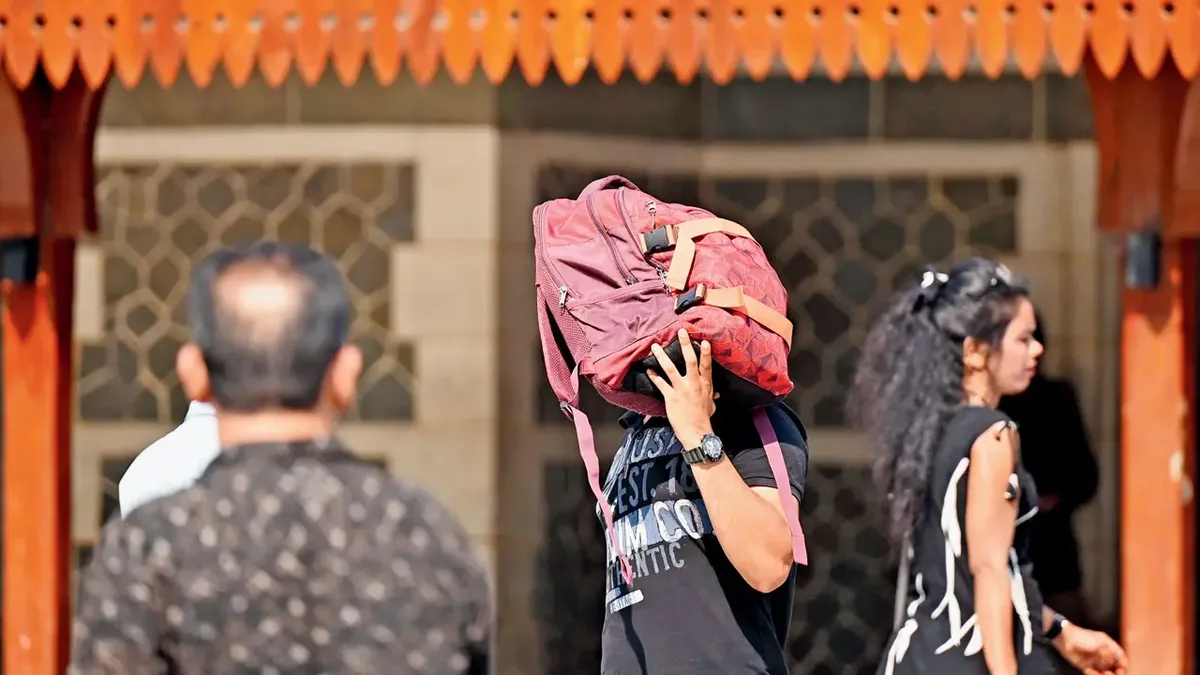
In addition to the dense fog, heat-wave conditions are anticipated in parts of the Konkan region, including Mumbai, highlighting the diverse weather challenges faced across India.
As residents and travelers navigate these conditions, officials are urging caution and advising on travel plans. The IMD continues to monitor the situation closely, providing updates as necessary.
Details remain unconfirmed regarding the long-term implications of these weather patterns, but the immediate effects are being felt across the region.