Introduction
Wayne McGregor is a British choreographer renowned for his groundbreaking approach to contemporary dance. With a career spanning over two decades, McGregor has established himself as a prominent figure in the dance community, pushing the boundaries of movement and choreography. His work not only captivates audiences but also significantly impacts the evolution of dance as an art form, making McGregor an essential topic of conversation in current cultural discussions.
Biography and Career
Born on 12th March 1970, in Stockport, England, Wayne McGregor’s journey into the world of choreography began early in his life. He trained in various dance styles but later became fascinated by modern dance. In 1992, he founded his own company, Random Dance, which allowed him to explore innovative concepts in movement and collaboration with artists from various disciplines. McGregor’s works often feature a fusion of technology, film, and music, showcasing his keen interest in interdisciplinary approaches.
Recent Projects and Collaborations
McGregor’s recent projects, including his work with the Royal Ballet and prestigious collaborations with international artists, highlight his commitment to creativity and exploration. Notably, his 2022 piece, “The Dante Project”, premiered at the Royal Opera House and was critically acclaimed for its bold choreography and emotional depth. In addition, his collaboration with scientists to explore the intersection of movement and neuroscience has opened new avenues in understanding the significance of physical expression and choreography.
Impact on Contemporary Dance
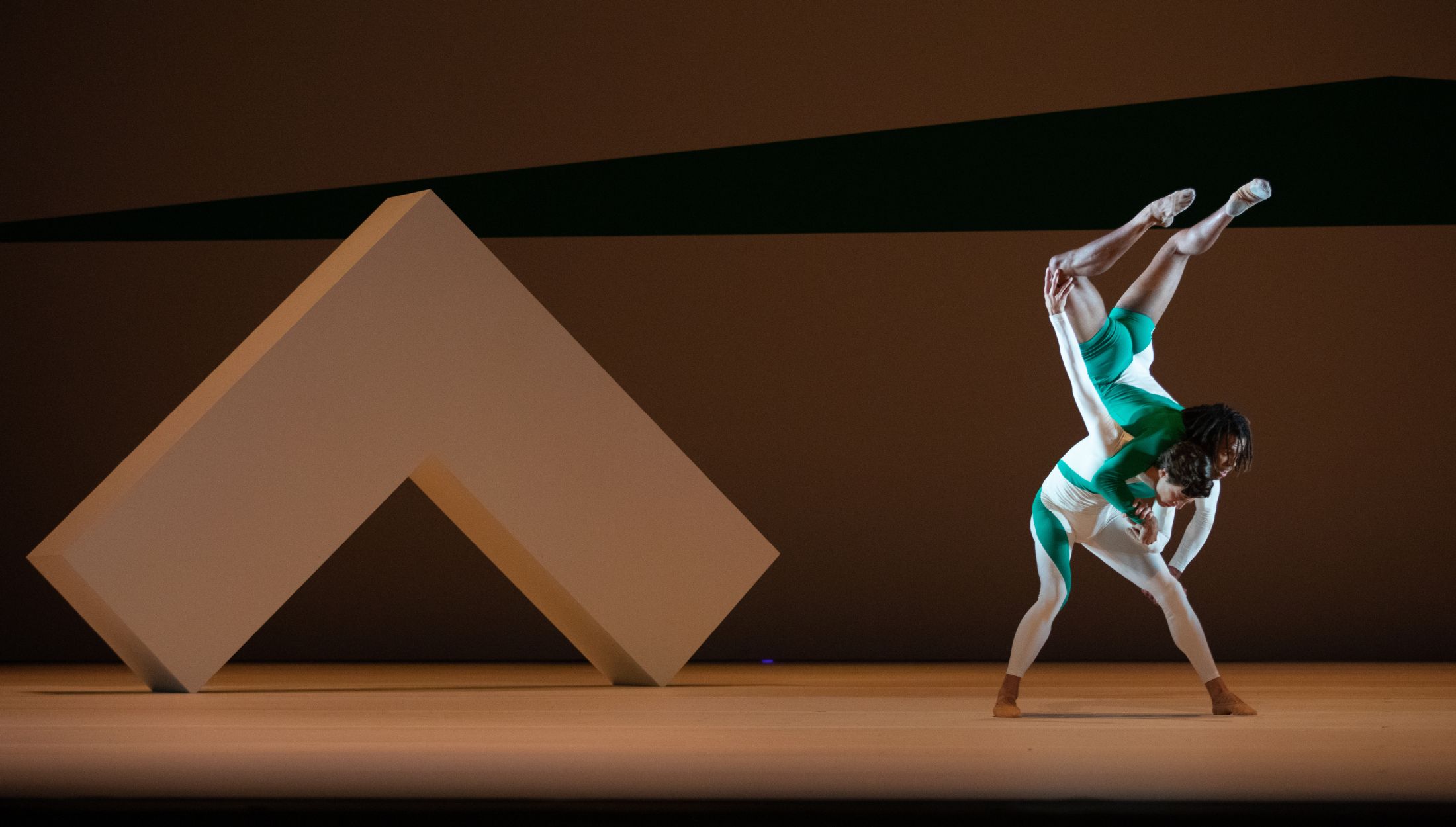
The significance of McGregor’s work cannot be overstated. He has broadened the scope of contemporary dance, making it accessible and engaging for diverse audiences. His distinctive style, characterised by rapid, intricate movements and an exploration of themes such as human connection and the body’s relationship with technology, distinguishes him within the contemporary dance scene. Moreover, McGregor’s influence extends beyond his creations; he continually mentors emerging artists, fostering a new generation of dancers and choreographers.
Conclusion
Wayne McGregor’s contribution to contemporary dance exemplifies the transformative power of artistic expression. As he continues to innovate and inspire, the relevance of his work is evident in both the responses from audiences and the conversations happening within the artistic community. McGregor is not only shaping the future of dance but also encouraging other forms of artistic collaboration that reflect the complexities of the modern world. Readers can expect to see more extraordinary works from him in the coming years, solidifying his status as a pivotal figure in the dance world.