Reaction from the field
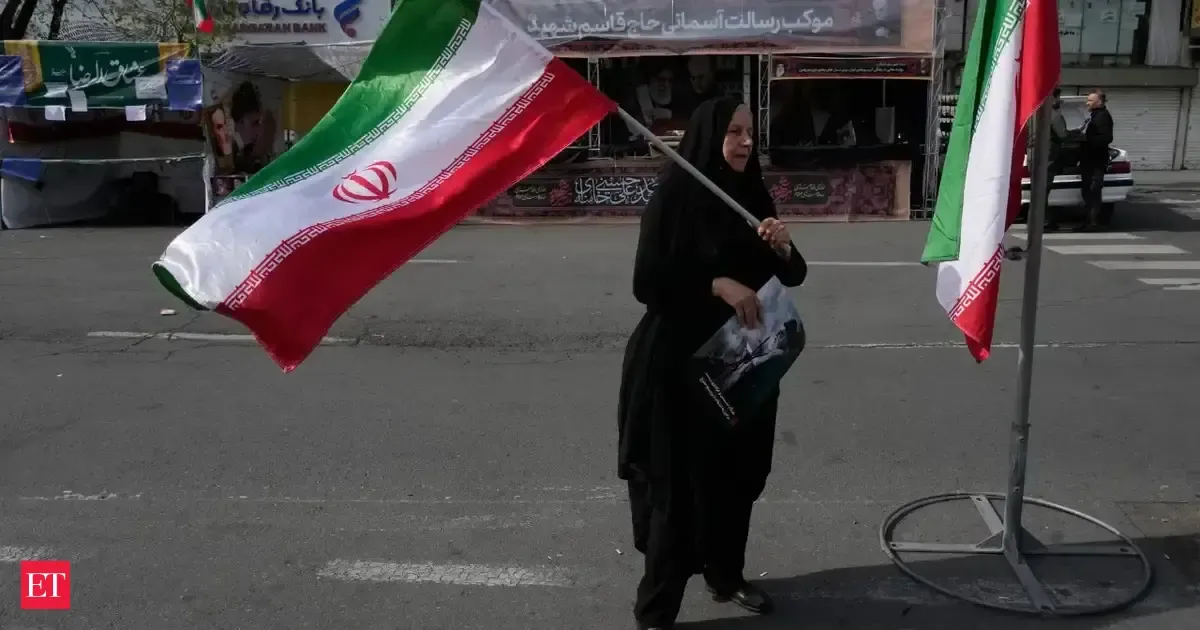
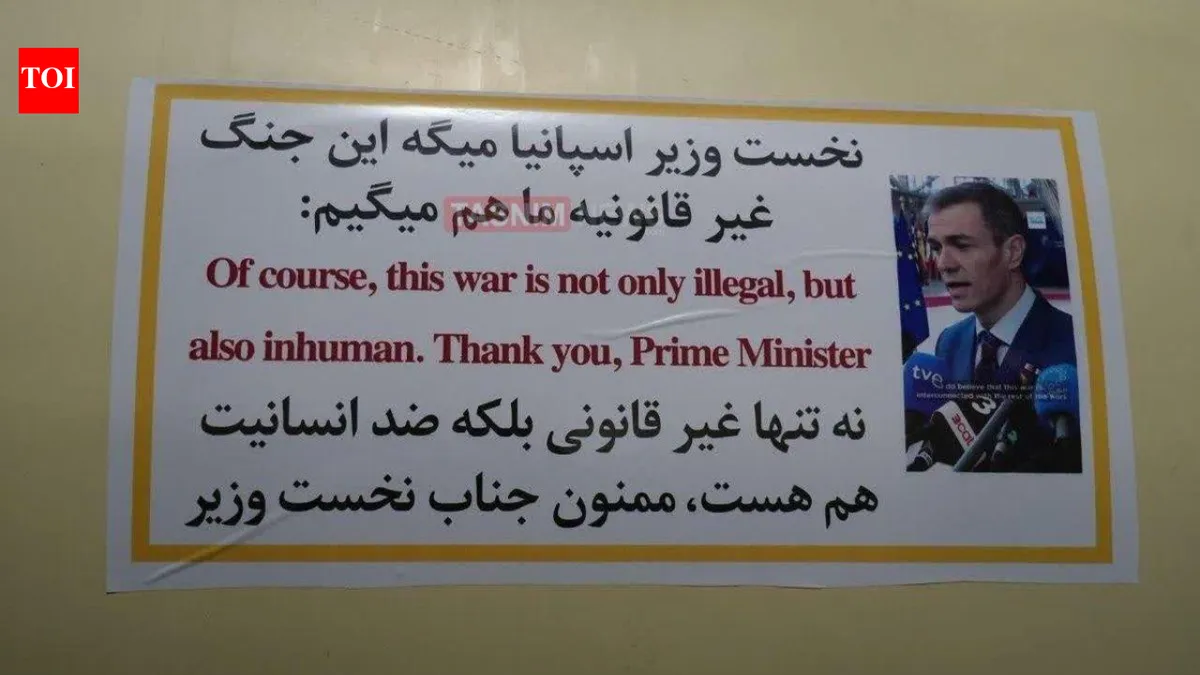
The ongoing conflict in the Middle East has reached a critical juncture, with devastating consequences that have already claimed more than 2,000 lives. As the war, which began on February 28, 2026, enters its fourth week, the stakes have never been higher. The recent escalation has seen Iran attach Spanish Prime Minister Pedro Sanchez’s anti-war remarks to missiles aimed at Israel, highlighting the deepening tensions and the international ramifications of this conflict.
In a stark warning, Iran’s Parliament Speaker, Mohammad Bagher Ghalibaf, stated that any attack on Iranian power plants would lead to the destruction of vital infrastructure across the region. This threat underscores the potential for a wider conflict that could destabilize not just the Middle East but also global energy supplies, as approximately 20 percent of the world’s oil transits through the crucial Strait of Hormuz. The Iranian Islamic Revolutionary Guard Corps has also threatened to shut this key waterway if the United States follows through with its military actions.
The Israeli military has responded by intensifying ground operations against Hezbollah in Lebanon, a group that has been a significant player in the conflict. On March 22, 2026, a rocket attack by Hezbollah resulted in one death, further escalating the violence. Lieutenant General Eyal Zamir of the Israeli Defense Forces remarked, “The operation against the Hezbollah terrorist organisation has only begun. This is a prolonged operation,” indicating that the military efforts will continue unabated.
In a surprising move, Kataeb Hezbollah has extended a pause on attacks against the US embassy in Baghdad by five days, a decision that may reflect a strategic recalibration amid the ongoing chaos. However, this temporary halt does not alleviate the underlying tensions, as Iran continues to issue dire warnings about the potential consequences of US actions in the region.
Israeli Prime Minister Netanyahu has called for broader international involvement in the war against Iran, suggesting that the conflict may draw in more nations and complicate an already volatile situation. The historical roots of this conflict involve long-standing US and Israeli military operations against Iran, which have contributed to the current hostilities.
As the situation develops, the international community watches closely, aware that any misstep could lead to catastrophic consequences. The potential closure of the Strait of Hormuz would not only impact oil prices but could also trigger a global economic crisis. The uncertainty surrounding the conflict leaves many questions unanswered, as the world grapples with the implications of a war that shows no signs of abating.
In the words of Masoud Pezeshkian, an Iranian official, “The illusion of erasing Iran from the map shows desperation against the will of a history-making nation.” This sentiment encapsulates the deep-seated animosities that fuel the conflict and the challenges that lie ahead in seeking a resolution. As both sides prepare for what could be a protracted struggle, the hope for peace seems increasingly distant.