Introduction
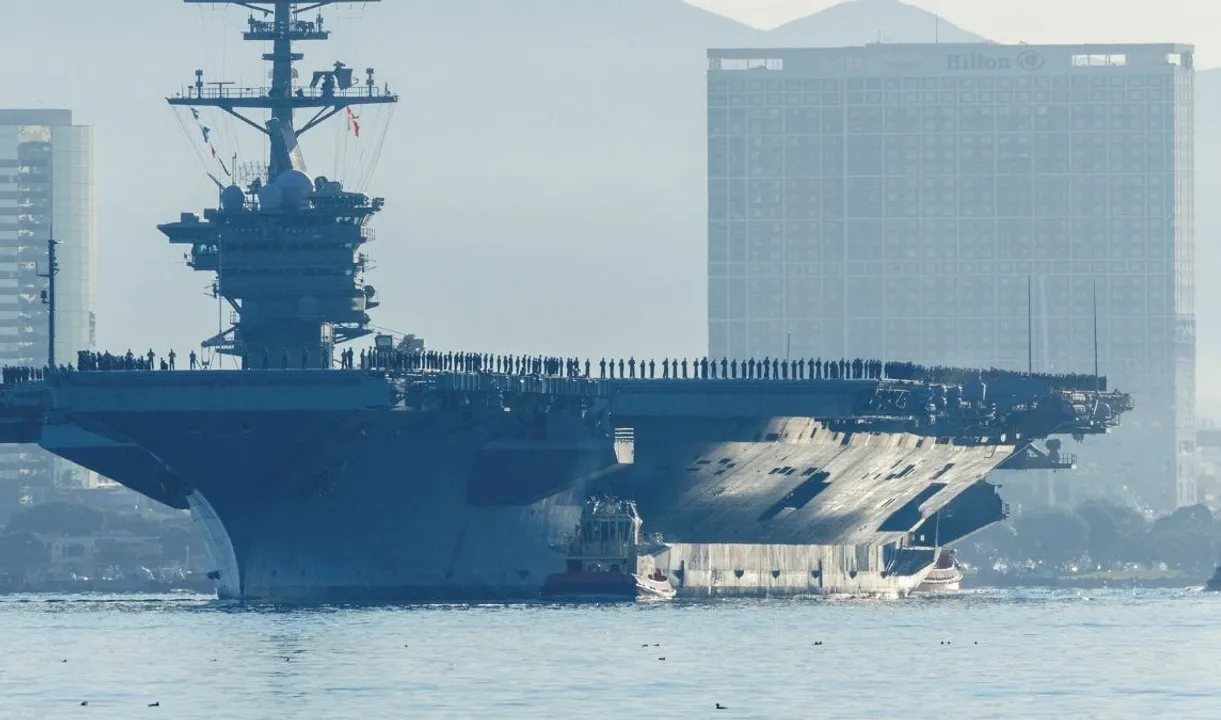
The USS Abraham Lincoln (CVN-72), a Nimitz-class aircraft carrier, has long stood as a symbol of American naval prowess. Its strategic importance in global maritime operations cannot be overstated, particularly in light of recent international tensions and military engagements. As global security dynamics continue to evolve, the role of aircraft carriers like the Lincoln becomes increasingly crucial for deterrence and power projection.
Recent Deployments and Activities
In recent months, the USS Abraham Lincoln has been actively involved in various missions aimed at reinforcing U.S. presence in international waters. In April 2023, the carrier led a strike group during joint exercises in the Indo-Pacific region, demonstrating not only naval capability but also the United States’ commitment to its allies in the face of growing maritime challenges. This deployment featured carrier-based aircraft engaging in simulated combat operations, emphasizing the Lincoln’s role as a versatile and formidable platform.
Additionally, the USS Abraham Lincoln has operated in the Mediterranean Sea, participating in patrols and exercises designed to enhance interoperability with NATO forces. These activities underscore the carrier’s role in crisis response and collective defence efforts. Recently, the carrier was involved in a humanitarian mission aiding communities affected by natural disasters, showcasing the versatility of naval assets beyond mere combat functions.
Technological Advancements
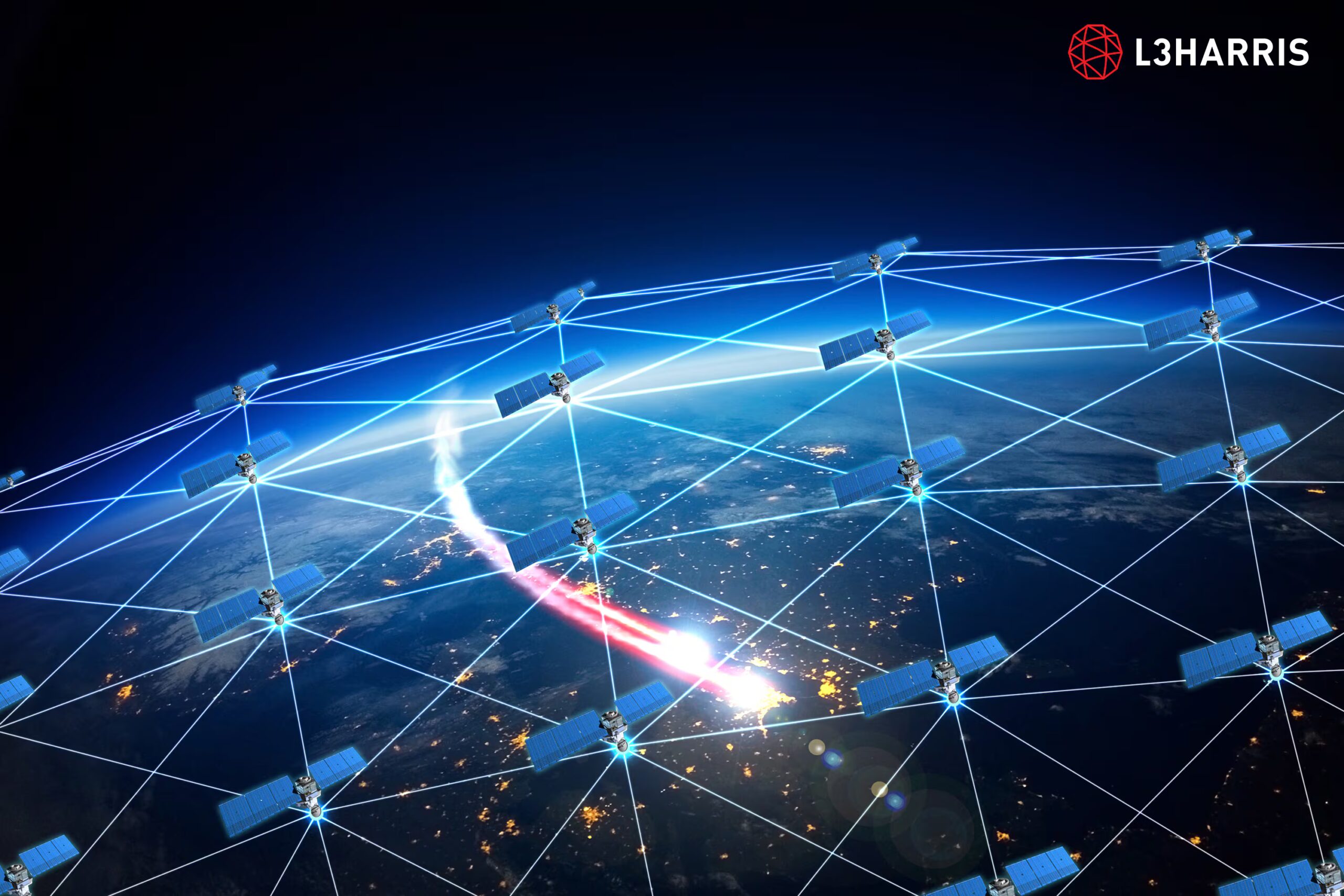
The USS Abraham Lincoln has undergone significant upgrades over the years, including advancements in radar, weapons systems, and aircraft capabilities. The integration of the Advanced Radar System and the latest generation of F-35 stealth fighters enhances operational effectiveness and provides superior situational awareness compared to previous iterations. These updates reflect the evolving maritime threat landscape and the need for a robust response mechanism.
Conclusion
As the USS Abraham Lincoln continues to undertake vital missions, its significance within the U.S. Navy remains clear. The carrier not only embodies the might of American naval power but also plays an integral role in ensuring maritime security and support for allies. Looking forward, the Lincoln will likely remain at the forefront of U.S. naval operations, tasked with not only combat readiness but also responding to humanitarian needs globally. Its ongoing presence underscores the United States’ commitment to maintaining a robust maritime strategy in an increasingly complex world.