Introduction
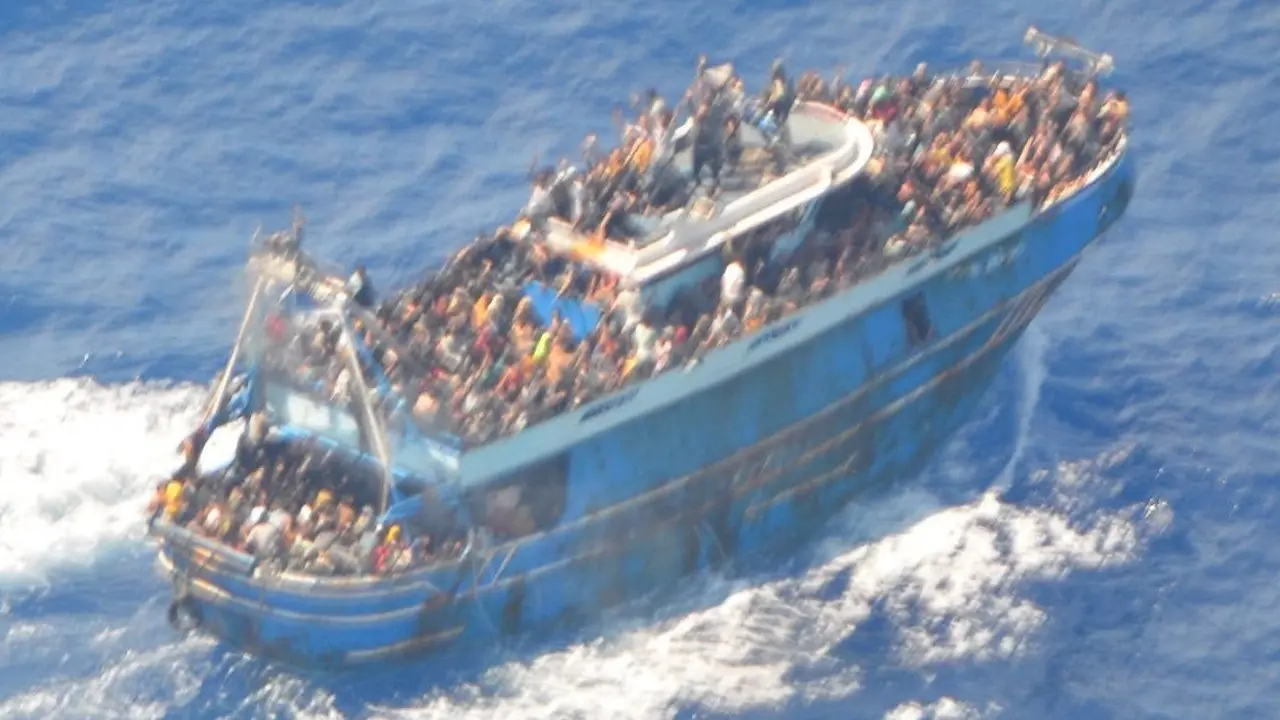
The tragic sinking of a migrant boat in the English Channel last November has led to significant public and political discourse regarding the safety of migratory routes. Over 30 individuals lost their lives that fateful evening, raising urgent questions about border security, rescue operations, and the human cost of migration.
The Incident
On November 24, 2023, a small boat carrying migrants capsized in treacherous waters while attempting to cross from France to the UK. This incident has been described as one of the worst maritime disasters affecting migrants in recent times. The UK government announced an inquiry shortly after, aiming to gather evidence from survivors, rescue teams, and authorities to ascertain what went wrong and how such a catastrophe could be prevented in the future.
Progress of the Inquiry
The inquiry, led by a senior judge, commenced in January 2024 and has been collecting testimonies and examining the actions taken by both French and British authorities on the night of the tragedy. Key questions include whether adequate search-and-rescue protocols were followed and if there were enough resources dedicated to intercepting the vessel.
As of this month, evidence has begun to emerge that implicates both nations in potential failures regarding communication and co-operation during the crisis. Survivors reported that distress signals were not responded to in a timely manner, leading to frustration and anger among those who witnessed the harrowing scene.
Political Reactions
The inquiry has sparked a wave of political responses, with many advocating for comprehensive policy reviews that balance stringent border security with humanitarian responsibilities. Immigration Minister Robert Jenrick has called for improved international co-ordination to prevent similar tragedies in the future.
Conclusion
The Channel migrant boat sinking inquiry serves as a crucial stepping stone in addressing the broader implications of migration policies in the UK and Europe. As the investigation unfolds, it is expected to provide insights that could lead to changes in maritime safety regulations and a renewed focus on the humanitarian aspects of migration. The outcome of the inquiry will not only be significant for regulatory frameworks but also for the many families affected by the tragedy, seeking answers and justice for their loved ones.