Introduction
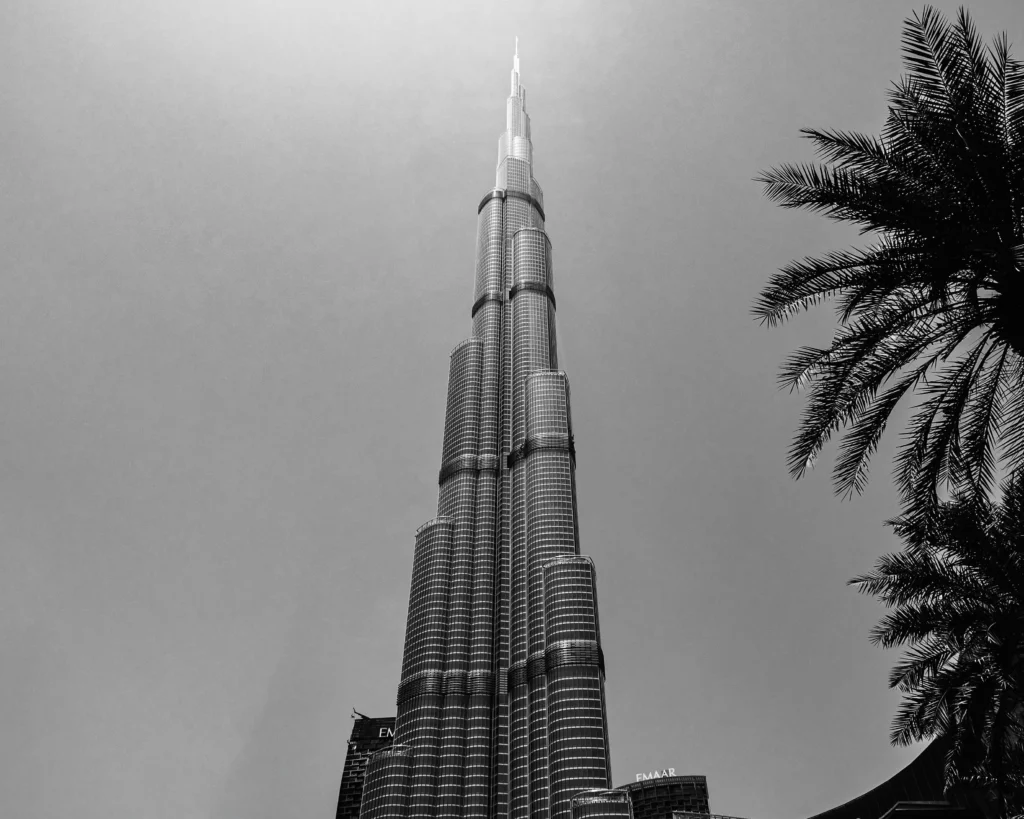
The quest to reach new heights in architectural design has led to the creation of the tallest building in the world, the Burj Khalifa. Located in Dubai, United Arab Emirates, this iconic structure stands as a testament to human ingenuity and ambition. Since its completion in 2010, the Burj Khalifa has transformed the skyline of Dubai and has become a symbol of the city’s rapid development and modernization. As urban populations grow and architectural challenges expand, understanding such super-tall buildings is crucial for future developments.
Details About the Burj Khalifa
The Burj Khalifa rises to a staggering height of 828 meters (2,717 feet), making it the tallest man-made structure globally. With 163 floors, the skyscraper was designed by the architectural firm Skidmore, Owings & Merrill, and was primarily inspired by the Hymenocallis flower, a native plant of the region. The construction of the Burj Khalifa took six years and involved over 12,000 workers at peak times, highlighting the scale of international collaboration required for such colossal projects.
Engineering and Design Marvel
The building’s unique “buttressed core” structural system allows for its extraordinary height and stability amidst strong winds. Additionally, the use of advanced materials, such as ultra-high-performance concrete, ensures durability and sustainability. The Burj Khalifa features luxurious residences, corporate suites, and the prestigious Atmosphere restaurant located on the 122nd floor, offering breathtaking views of the city and beyond.
The Global Impact on Architecture
Since its completion, the Burj Khalifa has influenced architectural trends worldwide. As cities around the globe compete to create their own towering structures, the innovations and challenges faced during the Burj Khalifa’s construction provide valuable lessons. Cities like Shenzhen and Jeddah are now embarking on their own super-tall projects, emulating the design philosophies first introduced in Dubai.
Conclusion
The Burj Khalifa represents a significant achievement in engineering and design, setting a precedent for skyscrapers of the future. As we move into an era focused on sustainability and smart technologies, the lessons learned from the Burj Khalifa’s construction will be integral in shaping the future of urban architecture. It is not just a symbol of height but a beacon of what is possible when creativity meets engineering prowess.