Introduction
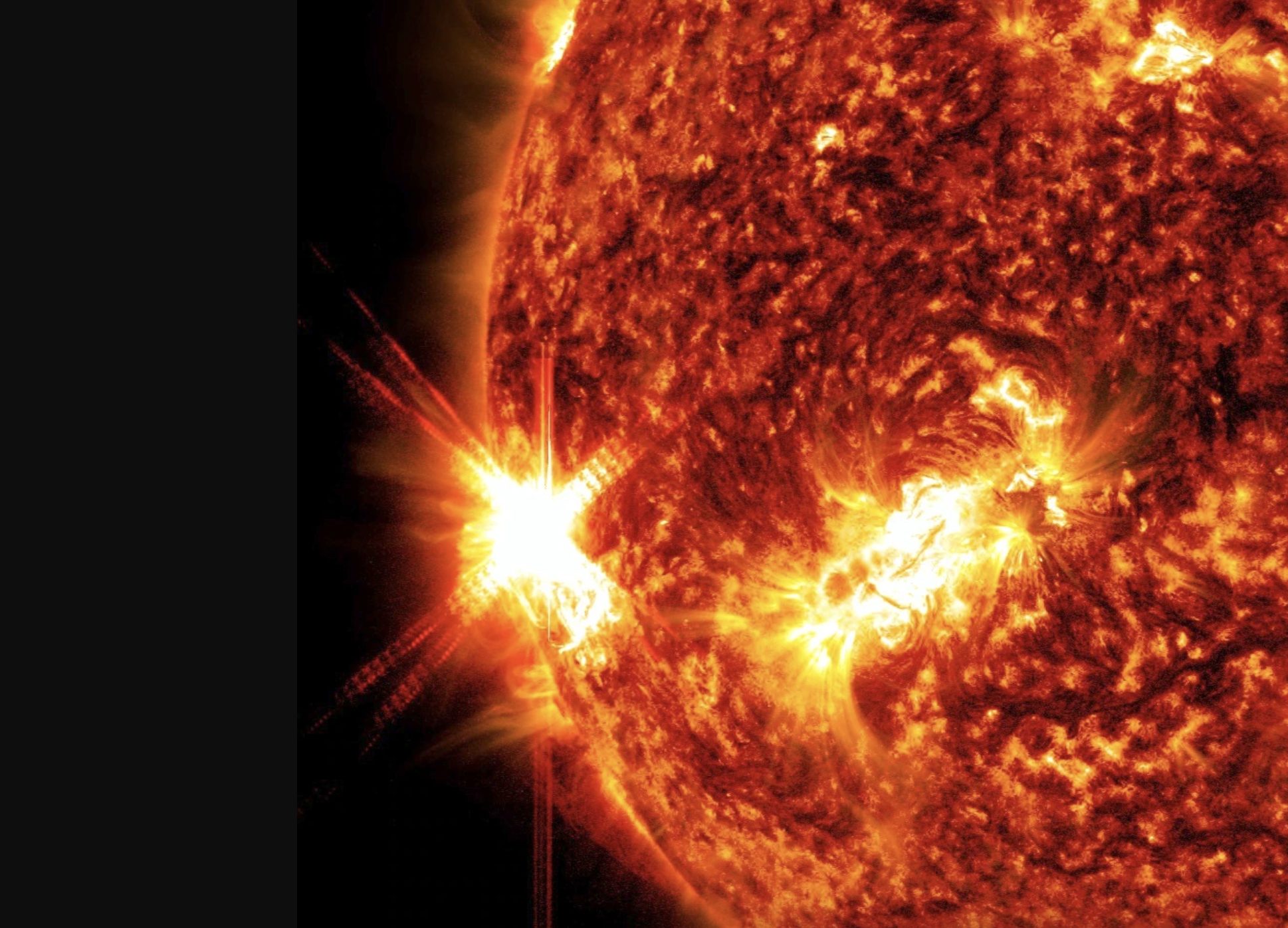
Sun solar flares are intense bursts of radiation coming from the release of magnetic energy associated with sun spots. These phenomena can significantly impact space weather, affecting satellite communications, power grids, and even astronauts in space. Understanding solar flares is crucial, especially as the Sun approaches its solar maximum, a peak in its 11-year cycle of solar activity that forecasts increased occurrences of these explosive events.
Recent Solar Activities
In September 2023, the Sun unleashed several significant solar flares, with one notable X-class flare occurring on September 13. This event was classified as X1.4, illustrating its strength and potential effects on Earth. These flares release electromagnetic radiation that travels at the speed of light and can cause disruptions to radio frequencies and power systems once they reach Earth’s atmosphere.
The National Oceanic and Atmospheric Administration (NOAA) reported geomagnetic storms resulting from the recent flares, leading to beautiful auroras visible at latitudes that rarely see such displays. The implications of these storms on technology are critical; disruptions were reported across various sectors, including navigation systems and standard communications.
Implications and Precautions
Experts suggest that ongoing solar activity may lead to more frequent solar flares as we move closer to the solar maximum expected in 2025. This could pose risks to satellites and power infrastructure if proactive measures are not taken. Agencies such as NASA and NOAA continue to monitor solar activity to provide timely warnings to those potentially affected, enabling measures to mitigate risks.
Conclusion
Understanding sun solar flares is increasingly important as we witness more frequent and intense solar activities. Public awareness of such phenomena helps in preparing for the impacts on modern technology and infrastructure. As the Sun progresses towards its peak activity, increased research and development of monitoring systems will be vital in safeguarding technological advancements and ensuring that society remains resilient against potential disruptions from solar flares.