Introduction
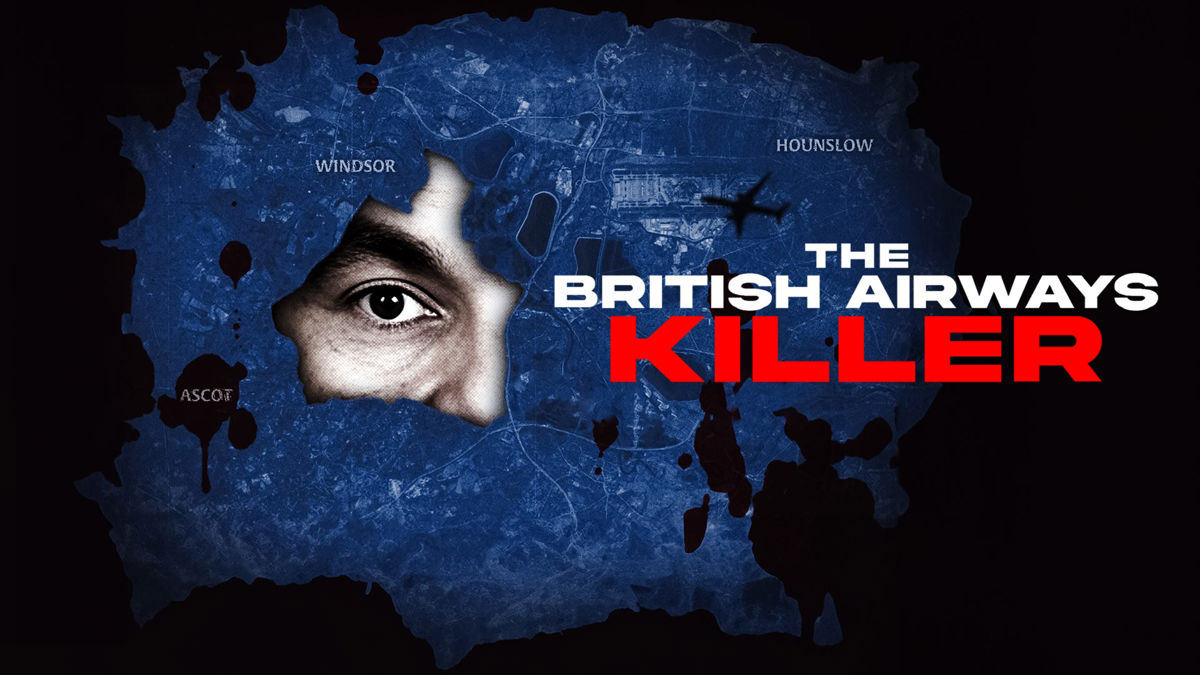
The term “British Airways Killer” refers to the infamous case of a crime that shook the aviation industry and raised concerns about airline safety and security protocols. In recent years, heightened awareness of vulnerabilities within airport and airline systems has spurred discourse surrounding the need for more robust measures to prevent such tragic events.
The Crime
The case dates back to 1983 when the horrifying crime took place aboard a British Airways flight. A passenger, who was later dubbed the “British Airways Killer,” gained notoriety for committing murder in the confined space of an aircraft during a critical phase of its journey. The incident not only resulted in the loss of life but also drew attention to the potential threats posed by individuals on flights. The assailant, who had a history of criminal behaviour, managed to evade assessment and boarding protocols, raising critical questions about airline security measures at that time.
Aftermath and Repercussions
Following the tragedy, investigations into the dynamics of airport security began in earnest. Law enforcement agencies and airline officials collaborated to reassess existing screenings, identifying potential gaps that could compromise passenger safety. Several policies were implemented in response, including improved profiling techniques for passengers and a greater emphasis on background checks for those flying. Furthermore, the incident fostered greater cooperation between international agencies, highlighting the necessity for shared intelligence when addressing potential threats.
Current Perspectives
Today, while the specific case of the British Airways Killer remains a sobering reminder of the vulnerabilities faced in aviation, it has also paved the way for ongoing improvements in airline safety. From advancements in technology, such as biometric scanning and AI-based monitoring systems, to the rigorous training of personnel in threat identification and management, the airline industry has adapted considerably to ensure safer travels. The incident serves as a crucial learning point in understanding how rapidly evolving threats necessitate vigilance and constant adaptation.
Conclusion
The legacy of the British Airways Killer extends beyond its initial shockwaves. It remains an example of the complex challenges within airport security and the ongoing need for evolution in the face of new and unforeseen threats. As the aviation industry continues to grapple with security concerns, it is essential for travellers to remain aware of the progress made while also advocating for further improvements to ensure safe skies for all.