Introduction
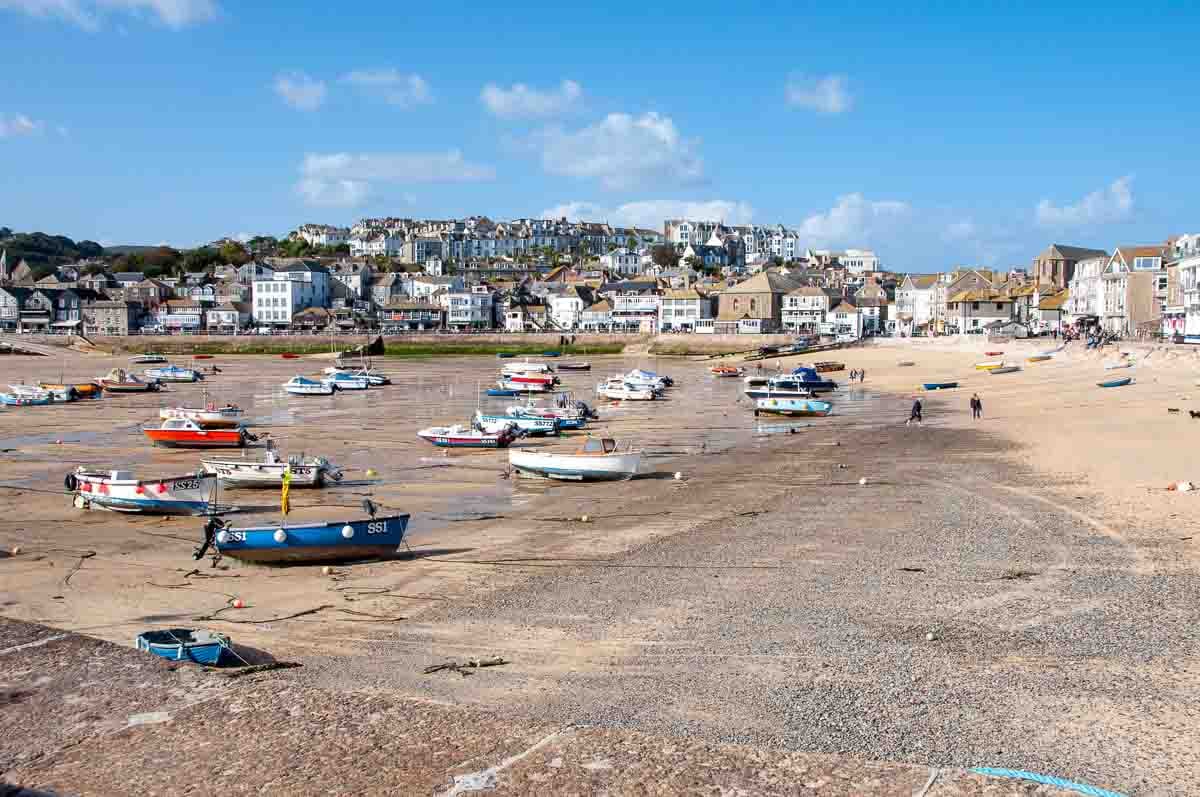
St Ives, a charming coastal town located in Cornwall, England, is renowned for its stunning beaches, vibrant art scenes, and picturesque harbour. This popular holiday destination has seen a surge in visitors in recent years, drawing crowds for both its natural beauty and cultural offerings. Understanding St Ives’s significance is essential not only for potential visitors but also for those interested in the impact of tourism on local economies.
Recent Developments
In recent events, St Ives has been at the forefront of discussions about sustainable tourism. The local council has introduced new measures to manage the increasing footfall in the town, particularly during the summer months. Initiatives include encouraging public transport use, creating designated pedestrian zones, and promoting local eateries and attractions to reduce congestion. Furthermore, the town’s famous Tate St Ives gallery has reopened after renovations, showcasing both local and international artists, which has helped to entice art enthusiasts.
Events and Attractions
St Ives hosts numerous events throughout the year, contributing to its vibrant community atmosphere. The St Ives Food and Drink Festival, held annually, celebrates local produce and culinary talent, drawing visitors from across the region. Additionally, the town’s picturesque beaches, such as Porthminster and Porthmeor, provide perfect spots for water sports and sunbathing. The town’s rich history can also be explored at the St Ives Museum, which offers insights into the area’s fishing heritage and artisanal trades.
Conclusion
As St Ives embraces a future of sustainable tourism, the balance between preserving its beauty and catering to visitors remains a pressing issue. With art, culture, and natural splendour at the forefront, the town continues to hold appeal for many. Moving forward, community engagement and responsible tourism practices will play a crucial role in ensuring that St Ives remains a treasured destination for generations to come.