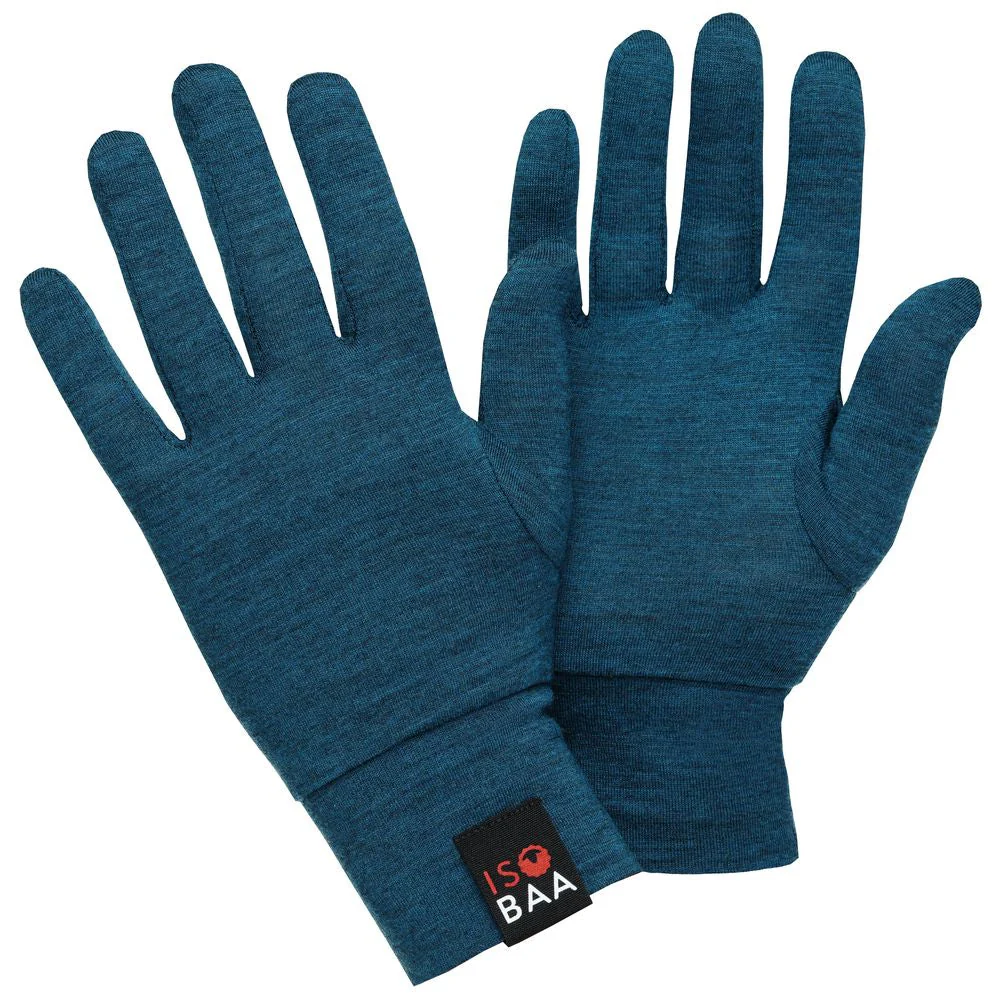
Introduction to Merino Wool
As the fashion industry increasingly shifts towards sustainability, Merino wool has emerged as a leading material noted for its eco-friendly properties and comfort. Sourced from Merino sheep, primarily found in Australia and New Zealand, this fine wool is celebrated not only for its softness but also for its remarkable durability, breathability, and moisture-wicking capabilities. With climate-conscious consumers on the rise, understanding the value of Merino wool is more relevant than ever.
Properties of Merino Wool
Merino wool is unlike traditional wool; it is finer, softer, and less itchy, making it suitable for sensitive skin. One of its primary advantages is its temperature-regulating properties, which help maintain comfort across various climates. The natural fibres can absorb moisture without feeling wet and can effectively wick sweat away from the body, making it ideal for various activities, from outdoor sports to everyday wear. Additionally, Merino wool is naturally odour-resistant, allowing garments to be worn for longer periods without washing, thus leading to less water usage.
Environmental Impact and Sustainability
The production of Merino wool can be considered more sustainable than that of many synthetic fibres. Its biodegradability ensures that it does not contribute to plastic pollution, a growing concern in the textile industry. Furthermore, the sheep that produce Merino wool provide a renewable source of material that can be harvested annually. As consumers become more aware of the environmental footprint of their clothing choices, Merino wool stands out as a robust option that aligns with values of sustainability and reduced ecological impact.
Industry Adoption
Leading fashion brands have begun to adopt Merino wool in various collections, recognising its growing demand and versatility. Companies are showcasing Merino in not only high-end fashion but also in activewear, everyday essentials, and professional attire. With advancements in technology, the processing methods of Merino wool are continually improving, resulting in softer and more adaptable fabrics that meet the needs of modern consumers.
Conclusion
In conclusion, Merino wool represents a significant step towards sustainable fashion. Its numerous benefits, ranging from comfort to environmental friendliness, make it a material of choice for conscientious consumers and designers alike. As the future of fashion leans increasingly towards sustainable practices, Merino wool is poised to play an essential role in reducing the industry’s impact while satisfying the demand for high-quality apparel. With rising awareness and innovation, we can expect to see more brands embracing Merino wool, delivering not just fashion but also a message of sustainability.