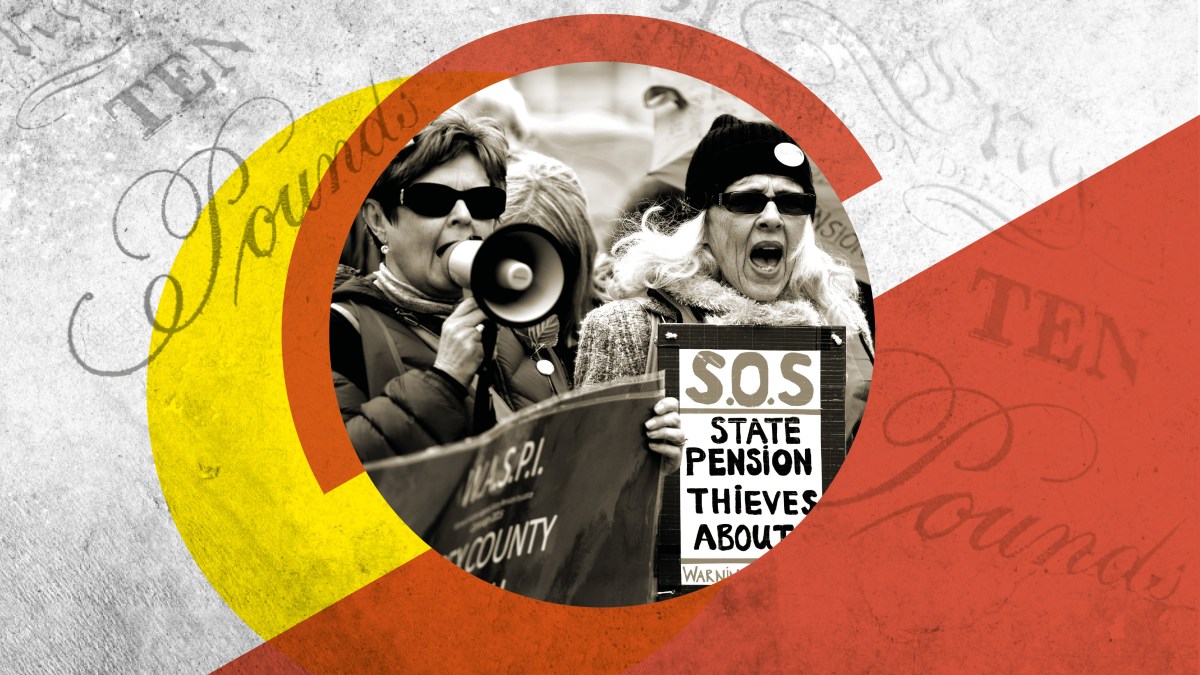
The WASPI Campaign Explained
The Women Against State Pension Inequality (WASPI) campaign has gained significant traction in recent years as it highlights the struggles faced by women born in the 1950s who have been adversely affected by changes to the state pension age. The controversy stems from government reforms implemented without sufficient notice, which many women argue has left them financially vulnerable.
Background of the Issue
In 2011, the UK government announced reforms that increased the state pension age for women from 60 to 66 by 2020. This decision was accelerated by the 2014 Pensions Act, further exacerbating the timeline, which was implemented without adequate communication to many affected women. As a result, over 3.8 million women face delays of up to six years in receiving their pensions, leading to financial hardship for many.
Recent Developments
In October 2023, the UK Parliament held a debate regarding the WASPI women’s pension issues, drawing attention to the ongoing struggle for compensation from the government. Cross-party voices have begun advocating for adjustments to the pensions for these women, as discussions about the fairness of the reforms gain momentum.
Various MPs have expressed their support for the WASPI campaign, highlighting discrepancies in the way information was communicated. Many women reported receiving little to no notice about the changes, leading to inadequate financial planning in their later years. The debate concluded without a definitive resolution; however, it opened the door for further discussions on possible financial reparations for the affected women.
The Importance of the Issue
The implications of the WASPI campaign extend beyond the financial realm. It raises questions about gender equality and the responsibility of the government to communicate openly about policies affecting citizens’ retirements. This ongoing situation affects not just those who are retired or approaching retirement but also the economic stability of households, as many WASPI women contribute significantly to their families.
Looking Ahead
As the movement continues to gain support, the future for WASPI women remains uncertain. Advocates are calling for the government to consider reasonable compensation options that would acknowledge the distress caused by the abrupt changes. In the coming months, it will be crucial to monitor government responses and potential policy changes that may arise as more awareness is brought to this pressing issue.
In conclusion, the WASPI pension compensation debate illustrates a significant social challenge that interlinks with wider issues of financial security for older women in the UK. Continued advocacy and public dialogue are essential to ensure fair treatment and to prevent similar issues from arising for future generations.