The Importance of the Winter Olympics Table
The Winter Olympics, held every four years, showcases the world’s elite athletes competing in winter sports. The Winter Olympics table is a crucial element of these Games, highlighting the achievements of athletes and nations as they vie for medals. With increasing global attention on winter sports, the standings reflect not only individual prowess but also national pride and investment in sports infrastructure.
Recent Developments in the Winter Olympics Table
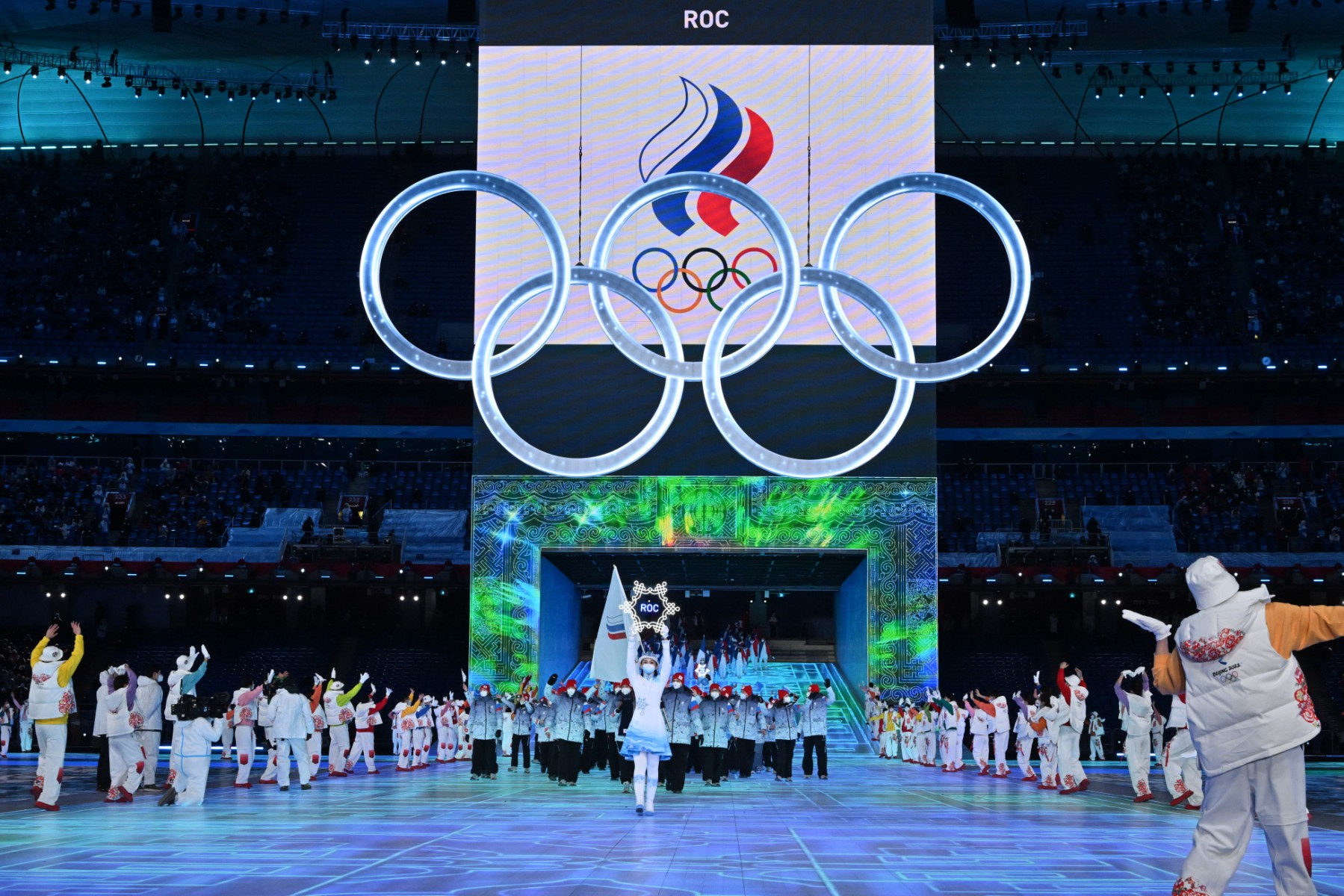
The recent Winter Olympics held in Beijing in February 2022 saw an exciting array of events, including skiing, ice skating, and snowboarding. After a thrilling competition, the final standings were led by Norway, which topped the medal table with 37 medals, including 16 golds. Germany also performed impressively, finishing second with 27 medals, 12 of which were gold. The United States rounded out the top three with a total of 25 medals, including 8 gold.
Additionally, the inclusion of new sports in this year’s events, such as women’s monobob and freeski big air, has brought fresh competition and performances that have captivated audiences. The Winter Olympics table not only mirrors medal counts but also provides insights into the evolution and popularity of various sports.
The Significance of the Standings
The standings in the Winter Olympics table serve multiple purposes. For athletes, achieving a medal represents the culmination of years of dedication and sacrifice. For governments and sports federations, these results reflect the effectiveness of funding and support for winter sports programs. Furthermore, the media coverage surrounding the table contributes to the growing popularity of winter sports around the globe, encouraging youth participation and enthusiasm.
Looking Ahead
As the world eagerly anticipates the next Winter Olympics in Milan-Cortina in 2026, the current standings provide a foundation for emerging talents. With nations like China investing heavily in winter sports, the competition is set to intensify. This could lead to unexpected outcomes and a reshuffling of the Winter Olympics table, making it essential for fans and analysts alike to closely follow developments in the coming years.
Conclusion
The Winter Olympics table is more than just a rankings list; it encapsulates hard work, national identity, and the spirit of competition. As we look toward the future, it promises to be a focal point of excitement, showcasing the best of winter sports and the athletes dedicated to mastering them.