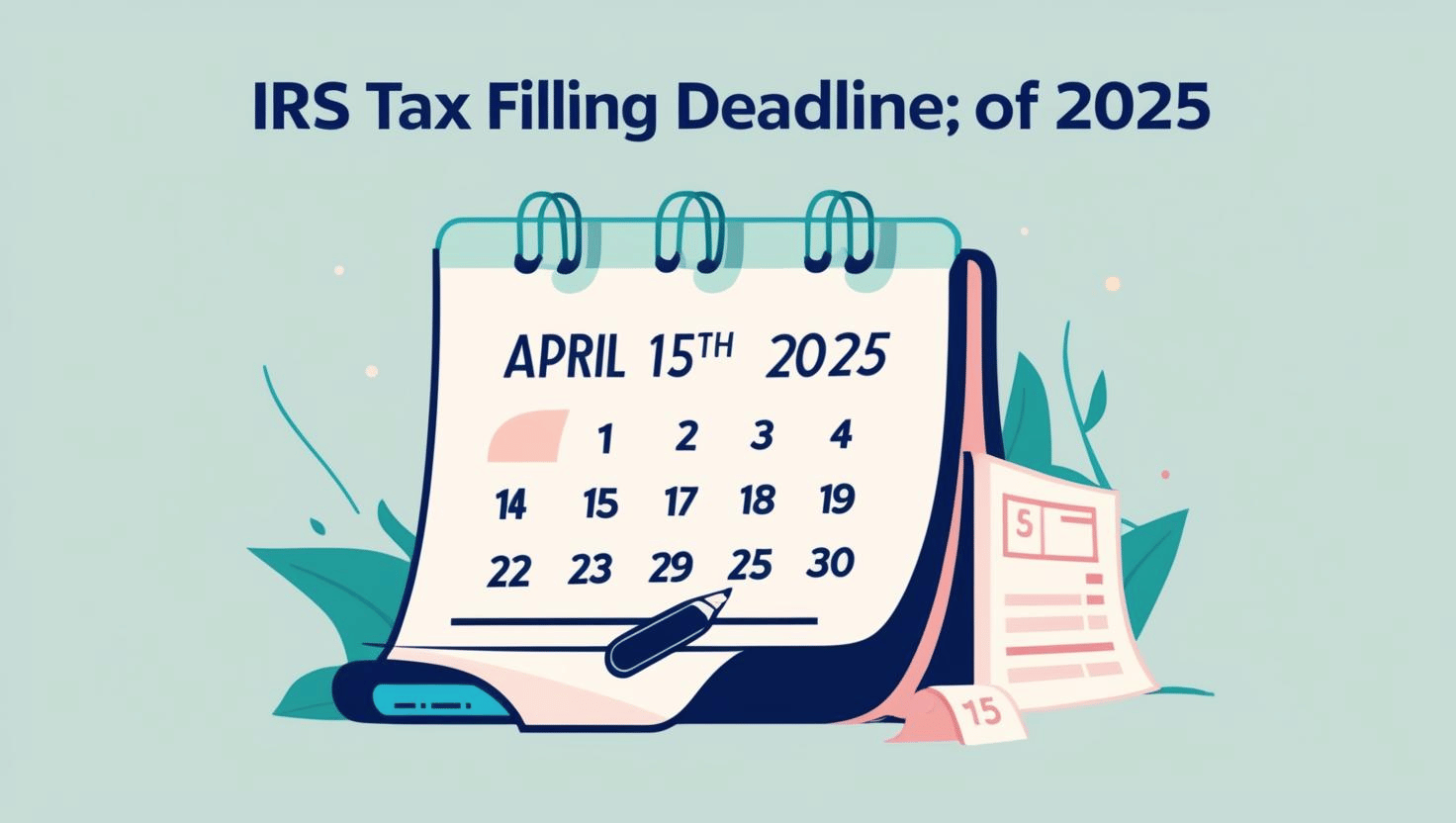
Introduction
The tax filing deadline is an important date every year, impacting individuals and businesses alike. The timely submission of tax returns ensures compliance with legal obligations and helps avoid penalties. As the deadline approaches, understanding its significance can greatly help taxpayers prepare and organise their finances effectively.
Details of the 2023 Tax Filing Deadline
For the tax year 2022, the IRS has set the tax filing deadline to April 18, 2023, which is a few days later than the traditional April 15 due date due to the Emancipation Day holiday observed in Washington, D.C. Taxpayers who fail to file their returns by this date may face a penalty of 5% of the unpaid taxes for each month or part of a month the return is late, up to a maximum of 25%.
Key Considerations for Taxpayers
Taxpayers should take the necessary steps to ensure successful filing. Here are a few crucial points to remember:
- Documentation: Collect all necessary documents such as W-2s, 1099s, and any other relevant financial statements well ahead of the deadline.
- Tax Software and Professionals: Consider using tax software or consulting with a tax professional to ensure accuracy and maximise deductions.
- Extensions: If taxpayers are unable to meet the deadline, they can file for an extension, providing them until October 16, 2023, to submit their returns.
Conclusion
As the tax filing deadline approaches, taxpayers are urged to be proactive in preparing their returns. By understanding the requirements and staying organised, individuals and businesses can ensure a smooth filing process, avoid unnecessary penalties, and make the most of available tax benefits. With adequate preparation, the 2023 tax season can be less stressful, leading to a more efficient financial year ahead.